A typical snack vending machine holds about 200–600 items across 30–45 selection slots, while a drink machine holds roughly 250–500 bottles or cans. Combo machines hold fewer of each. Capacity depends on the model, the number of coils/columns, and product size, which directly affects how often you'll need to restock.
Quick Answer
If you are evaluating a vending machine for your office, factory, hospital, or college campus, the first question is always: how much can it actually hold? The answer varies by machine type, but here is a fast reference to get you started.
| Machine Type | Typical Item Capacity | Selection Slots |
|---|---|---|
| Snack machine | 200–600 items | 30–45 slots |
| Drink machine (cans) | 300–500 cans | 8–12 columns |
| Drink machine (bottles) | 250–400 bottles | 6–10 columns |
| Combo machine | 100–300 items total | 20–40 slots |
These figures cover the mainstream commercial machines deployed across India's corporate parks, manufacturing facilities, and educational institutions. Machines from operators like Wendor are sized specifically for high-footfall Indian environments, where demand patterns can differ significantly from Western markets.
Snack Machine Capacity & Slots
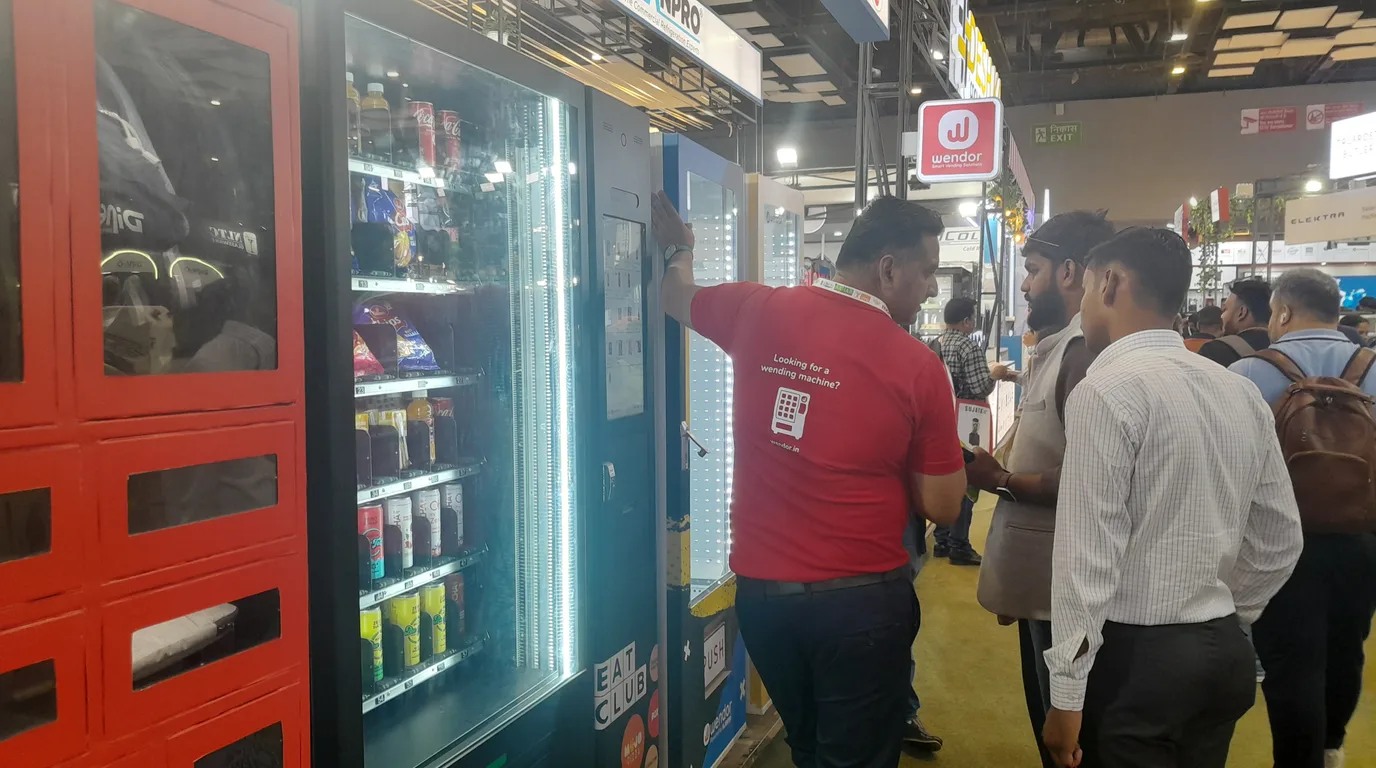
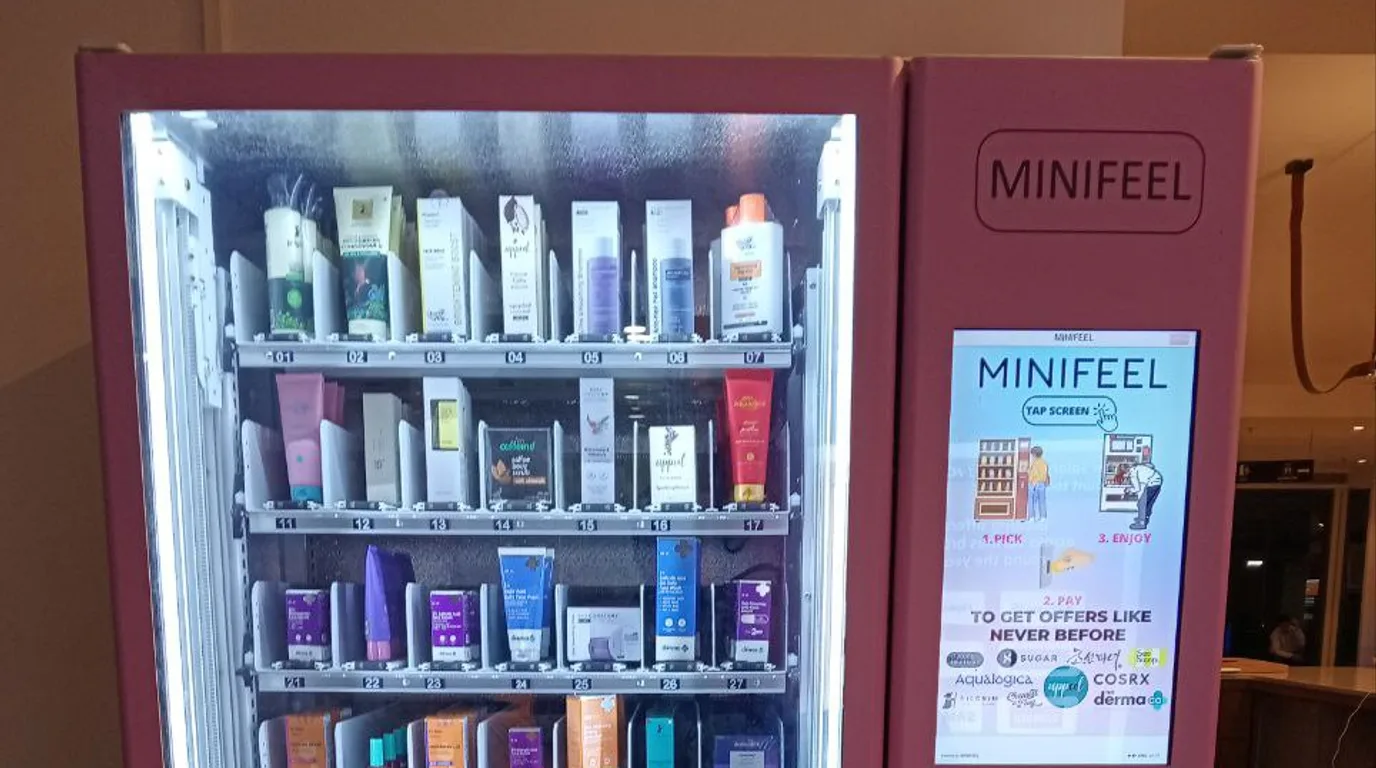
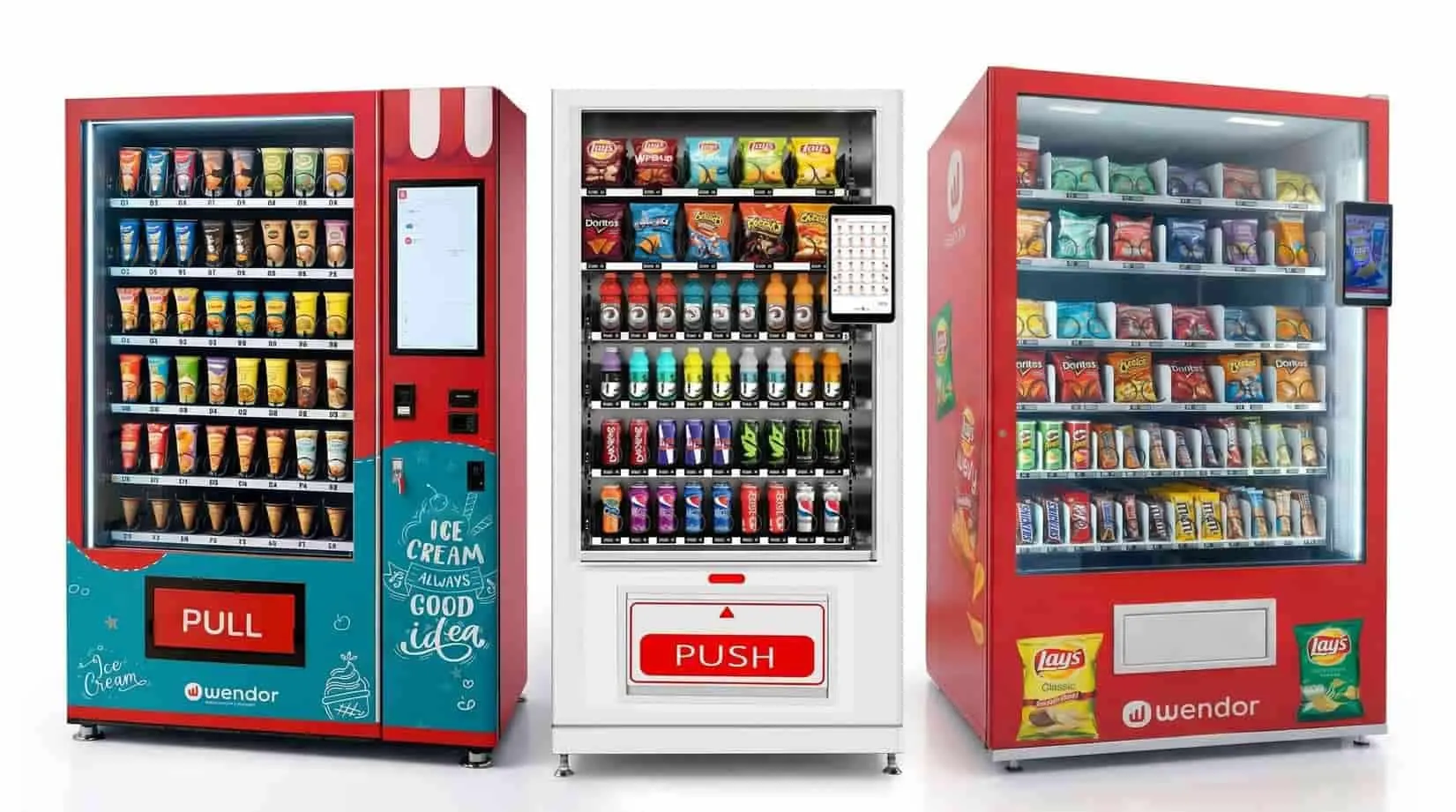
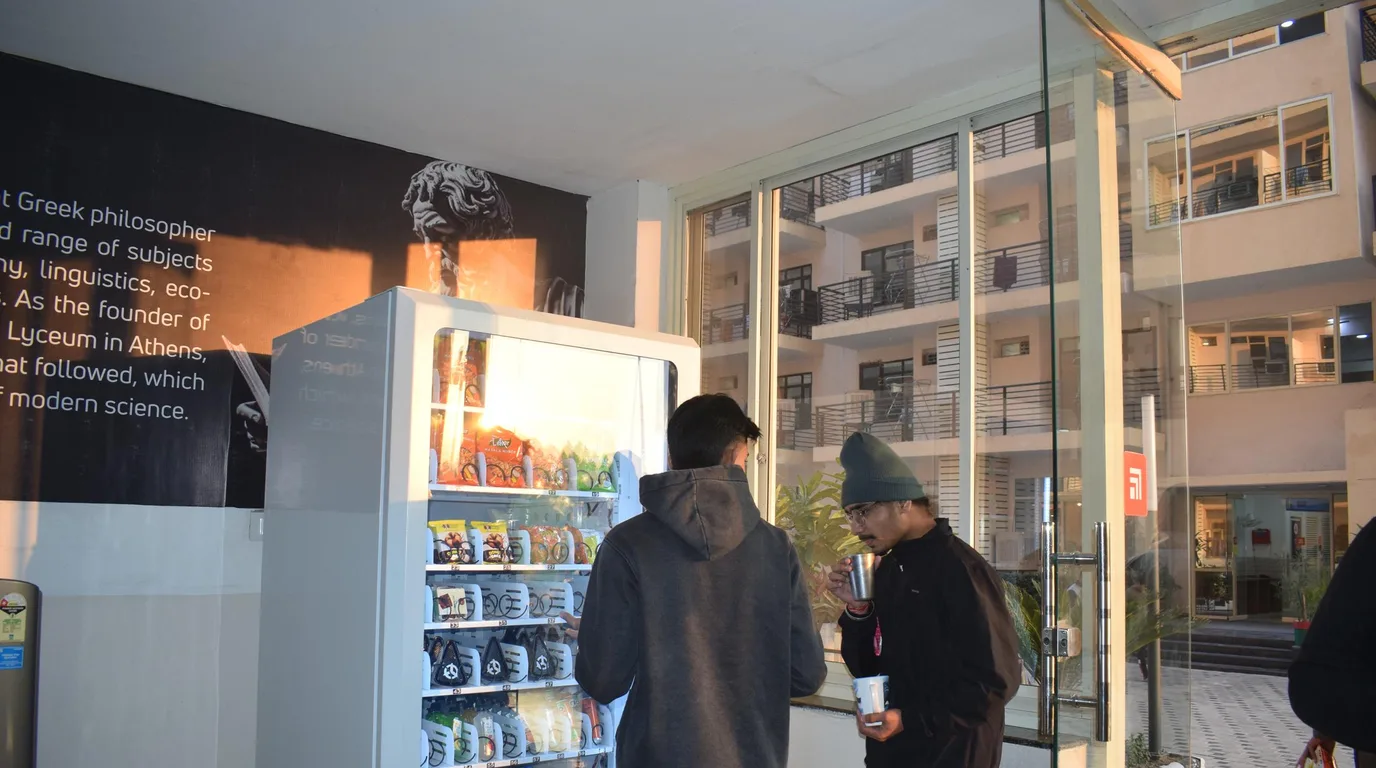
Snack vending machines are the workhorses of any vending programme. They dispense packaged foods — chips, biscuits, namkeen, protein bars, chocolates, dry fruits — and their internal layout is built around a coil-and-tray system. Each coil holds a column of identical products, and the number of coils per tray, multiplied by the number of trays, gives you the total slot count.
Most mid-size snack machines offer between 30 and 45 selection slots. Entry-level compact units may have as few as 20 slots, while large floor-standing machines designed for busy canteens can push past 50. Each slot (coil) typically holds between 6 and 15 units depending on product depth — a slim biscuit packet might stack 12 deep, while a thick bag of chips may only allow 6 before the coil runs out of reach.
This means a 40-slot machine stocked with an average of 10 units per slot carries approximately 400 items at full capacity. That is a comfortable stock level for a location consuming 80–120 items per day, giving you roughly a three-to-five day window before a refill visit is needed.
Factors That Affect Snack Machine Capacity
- Product packaging size: Larger packets (like 100 g chips bags) reduce per-slot depth. Compact sachets allow deeper stacking.
- Coil pitch: Wide-pitch coils accommodate bulky items; narrow-pitch coils maximise depth for slim products. Some machines allow operators to reconfigure coil spacing.
- Tray count: Standard machines have 5–7 trays. Premium machines add an extra tray or two, boosting total capacity by 15–25%.
- Temperature zone: Machines with a refrigerated section (for dairy snacks or fresh foods) typically sacrifice one or two trays, reducing overall capacity.
When planning a snack vending deployment across multiple sites — say, a network of IT campuses or a chain of hospitals — it is worth standardising on a machine model whose slot count matches your SKU range. Operating 38 SKUs on a 40-slot machine leaves two flex slots for seasonal or promotional products, which is a practical configuration that operators using Wendor's smart vending platform commonly adopt.
Drink Machine Capacity
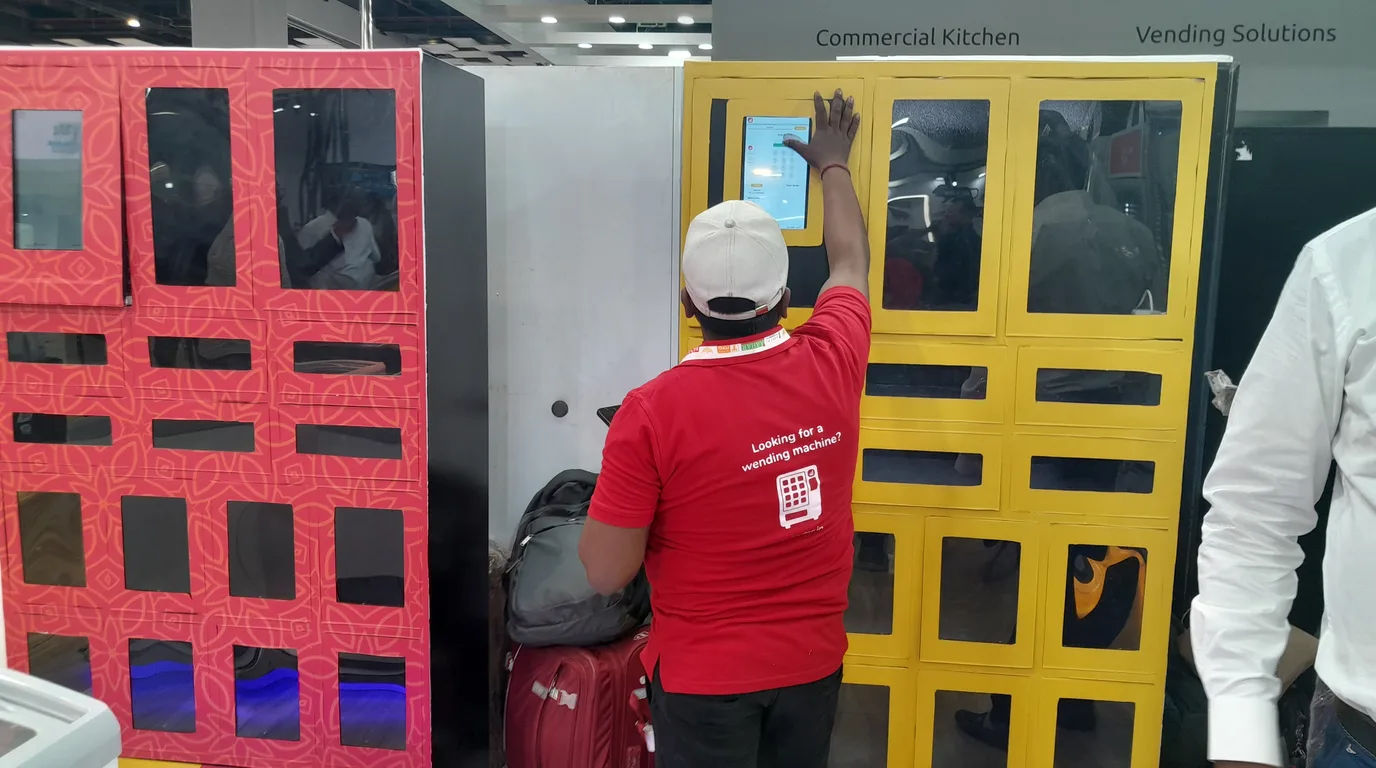
Dedicated drink vending machines are column-based rather than coil-based. Each column is a vertical stack of bottles or cans that drops one unit at a time upon purchase. The number of columns equals the number of distinct drink choices, and the height of each column determines how many units it holds.
For 500 ml PET bottles — the most common format in India — a standard column holds 8 to 12 bottles stacked vertically. A machine with 8 columns therefore carries 64 to 96 bottles at full load. Larger machines with 10–12 columns and taller cabinets can hold 250 to 400 bottles total.
For 330 ml or 250 ml cans, columns are narrower and stacking is denser. A can column typically holds 12 to 20 units, and an 8–10 column machine can carry 300 to 500 cans at full stock. Can machines are therefore more capacity-efficient per cubic foot of cabinet space, which explains their popularity in high-volume cafeteria settings.
Chilled vs. Ambient Drink Machines
In India's warm climate, nearly all drink vending machines operate with active refrigeration. This is a key specification difference from ambient snack machines. The refrigeration compressor and insulation add to the cabinet's physical footprint but do not change the column count. However, operators need to factor in pre-chilling time: a freshly stocked machine may need 30–60 minutes before drinks reach the ideal serving temperature of 4–8°C.
Some advanced machines, including those deployed by Wendor for corporate clients, use IoT-connected temperature sensors that alert operators if the chilling system underperforms — helping maintain product quality and reduce wastage from warm stock.
Combo Machine Capacity
Combo vending machines combine snack trays (coil-based) and a drink section (column-based) inside a single cabinet. They are popular in smaller locations — a 50-person office floor, a clinic waiting room, a gym lobby — where installing two separate machines is neither practical nor cost-effective.
The trade-off is straightforward: splitting the cabinet between two product types reduces the capacity of each. A typical combo machine offers 20–30 snack slots and 4–6 drink columns. At average stacking depth, this translates to roughly 150–250 snack items and 50–120 drinks — a total of 200–370 items across both categories.
Combo machines make the most sense when:
- Daily demand is under 60–80 units combined
- Floor space or electrical points are limited
- The site wants a single payment terminal for both food and drinks
- Restocking visits are infrequent (weekly or bi-weekly)
For higher-traffic locations, two dedicated machines — one snack, one drink — will always outperform a combo unit in terms of product variety and restocking intervals. Operators running Wendor's networked machines can monitor real-time inventory on both machine types through a single dashboard, making the management overhead comparable regardless of configuration.
How Capacity Affects Restocking Frequency
Machine capacity and restocking frequency are directly linked: the more items a machine holds, the longer it runs before an operator needs to visit. But capacity alone does not tell the full story — daily consumption rate is the other half of the equation.
Here is a simple way to estimate your restocking interval:
Restocking interval (days) = Machine capacity ÷ Average daily sales
For example, a 400-item snack machine in an office with 200 employees might sell 80 items per day. That gives a restocking interval of 5 days — a weekly visit is sufficient. The same machine in a 600-person factory canteen selling 200 items per day would need restocking every 2 days.
Practical Restocking Benchmarks for Indian Locations
| Location Type | Typical Daily Sales | Recommended Machine Size | Restocking Interval |
|---|---|---|---|
| Small office (50–100 people) | 20–40 items | Combo or compact snack | Weekly |
| Mid-size office (100–300 people) | 60–120 items | Full-size snack + drink | Every 3–5 days |
| Large factory/campus (>500 people) | 150–300+ items | Multiple full-size machines | Every 1–2 days |
| Hospital / 24-hour facility | 80–200 items | Full-size snack + drink | Every 2–4 days |
Smart vending machines equipped with real-time inventory tracking eliminate the guesswork from restocking planning. Rather than fixed weekly routes, operators can adopt demand-driven restocking — visiting only when stock drops below a defined threshold. This reduces operational costs and prevents the dual problem of overstocked slow-moving SKUs sitting alongside sold-out fast-moving ones.
IoT-enabled machines from platforms like Wendor send low-stock alerts automatically, so the restocking team always knows which machine needs attention before it runs dry. For large deployments across multiple cities, this capability translates into meaningful reductions in service visits and fuel costs.
The Cost of Under-Capacity Machines
Choosing a machine that is too small for your location creates a cycle of frequent restocking visits that erode operator margins. If your canteen needs 150 items a day and your machine holds only 200, you are running out every 32 hours — meaning at least daily restocking, which is not sustainable for most operators.
Conversely, over-specifying — placing a 600-item machine in a 50-person office — ties up capital in stock, risks products approaching expiry before sale, and wastes refrigeration energy. Matching machine capacity to footfall is a foundational decision, and getting it right from day one is one of the first consultations a good vending operator will have with a prospective client.
When evaluating machine capacity for your site, also consider product mix diversity. A machine with 40 slots carrying 10 units each offers more variety than a 20-slot machine carrying 20 units each, even if both hold 400 items total. Variety drives higher per-user engagement and total sales, which is why modern smart machines prioritise slot count alongside raw volume.