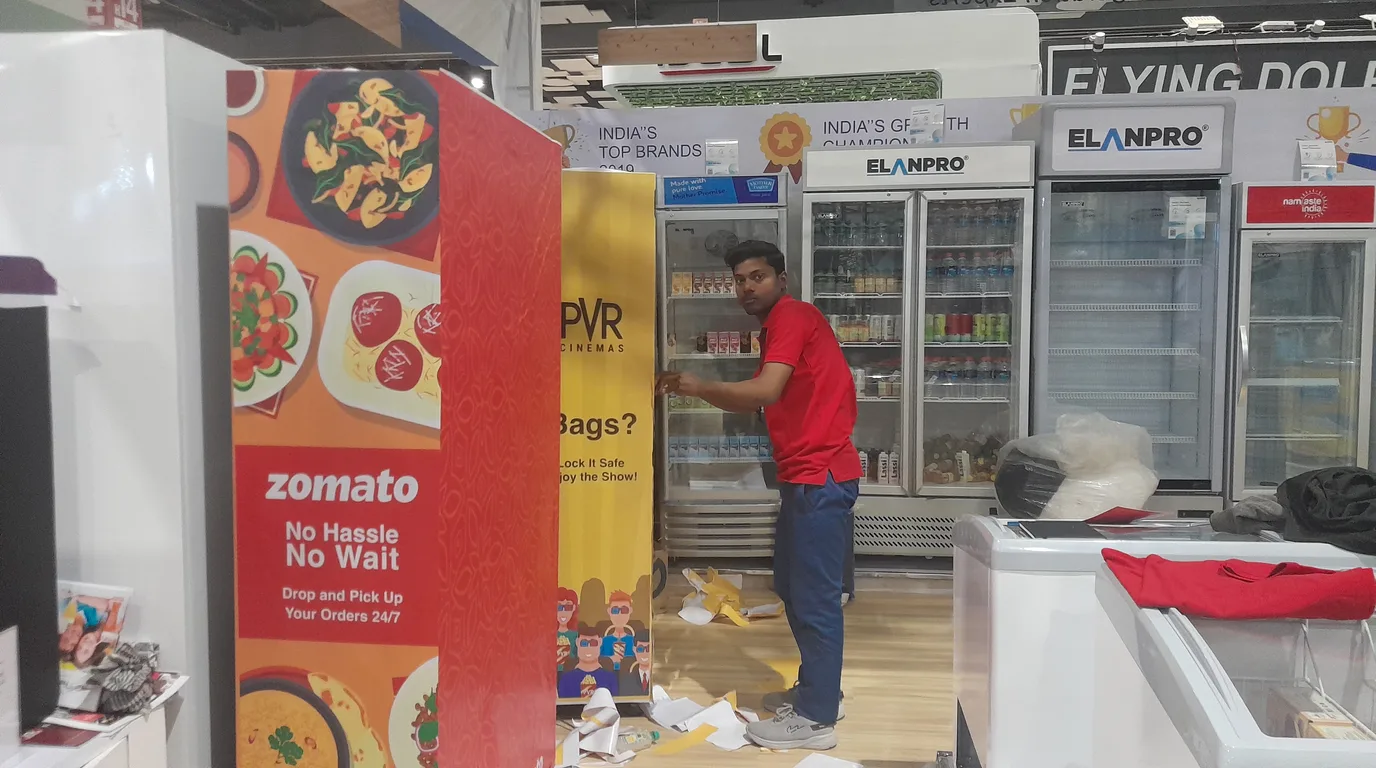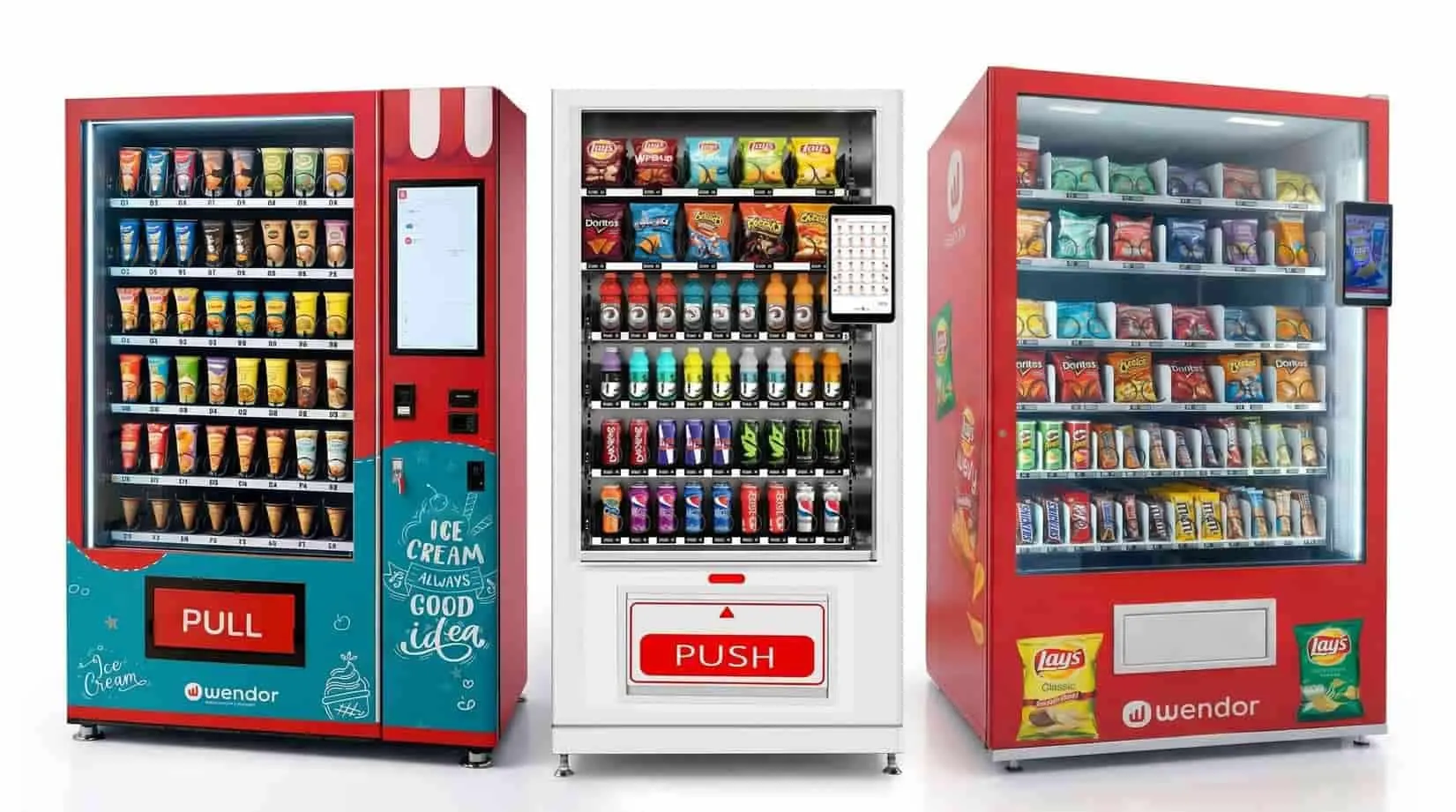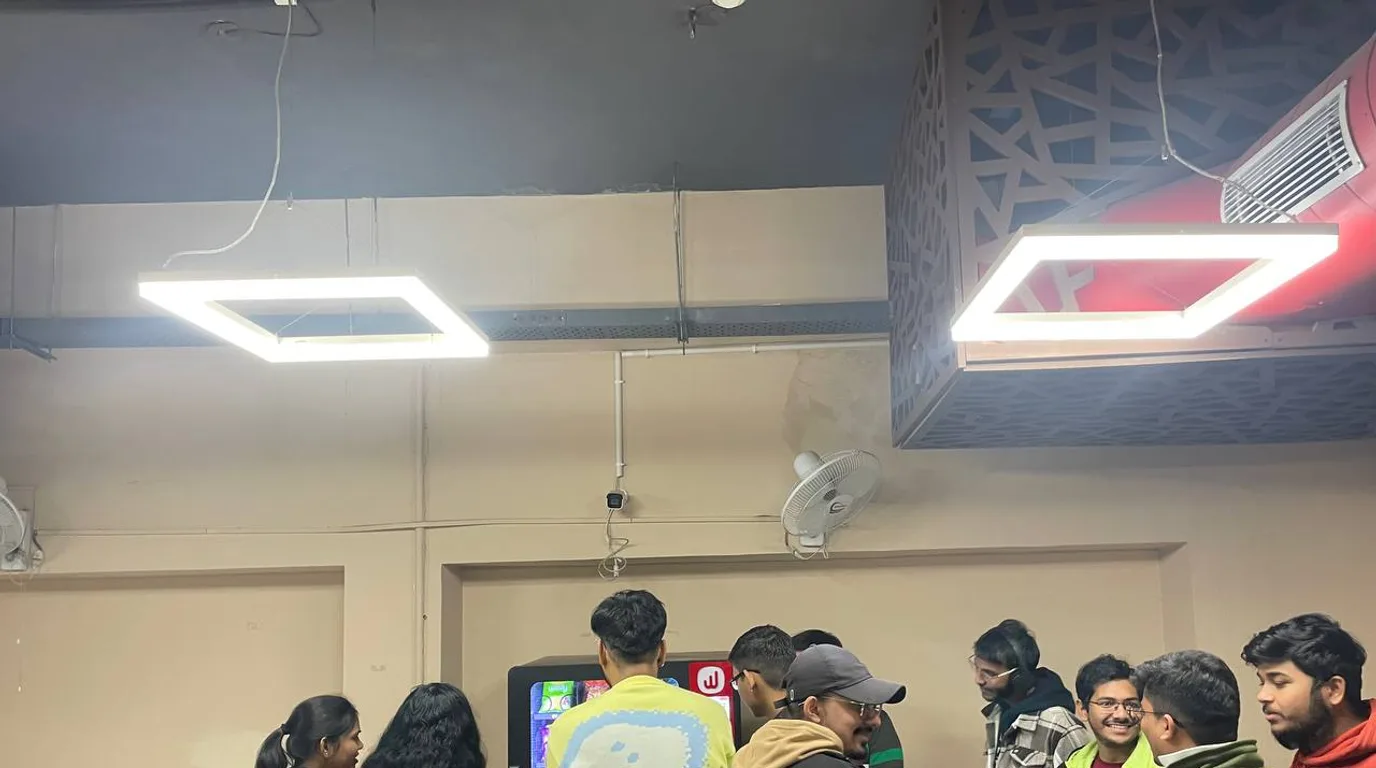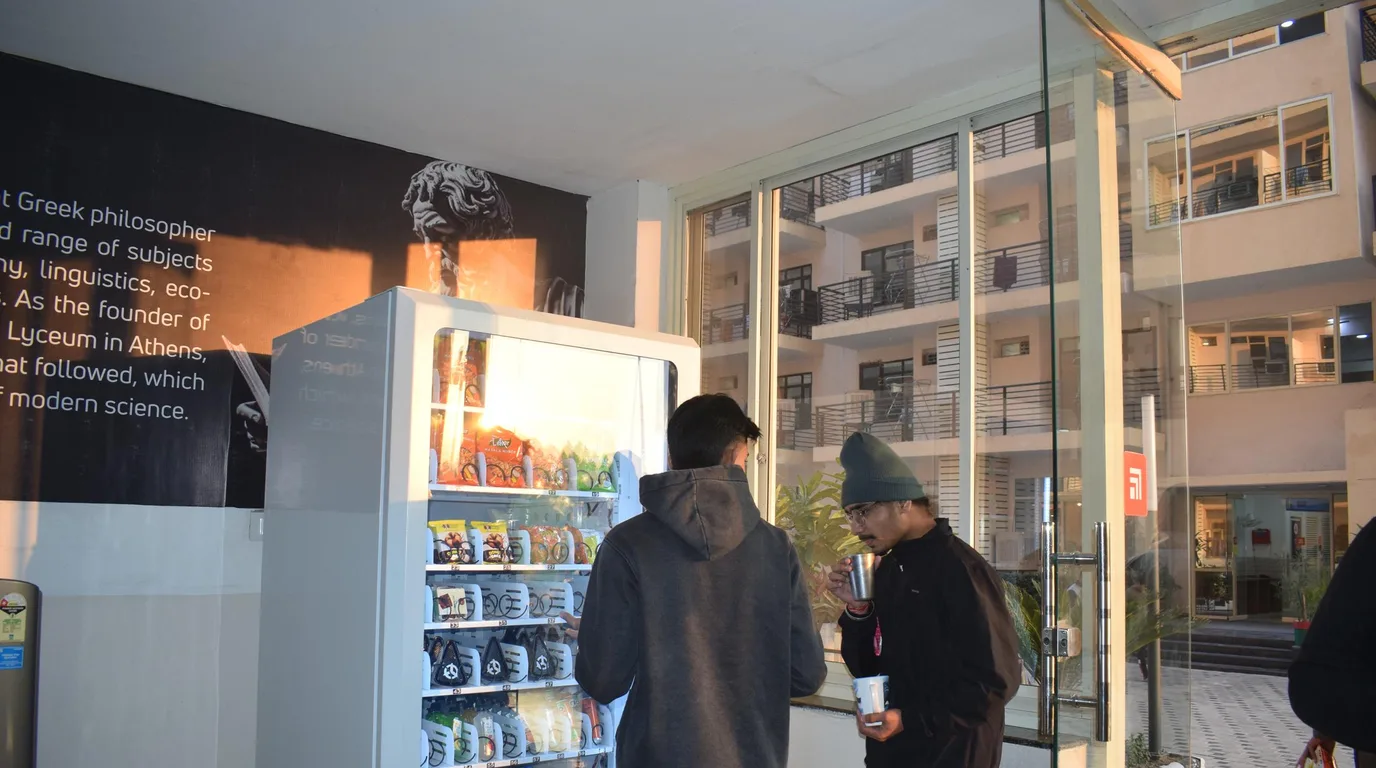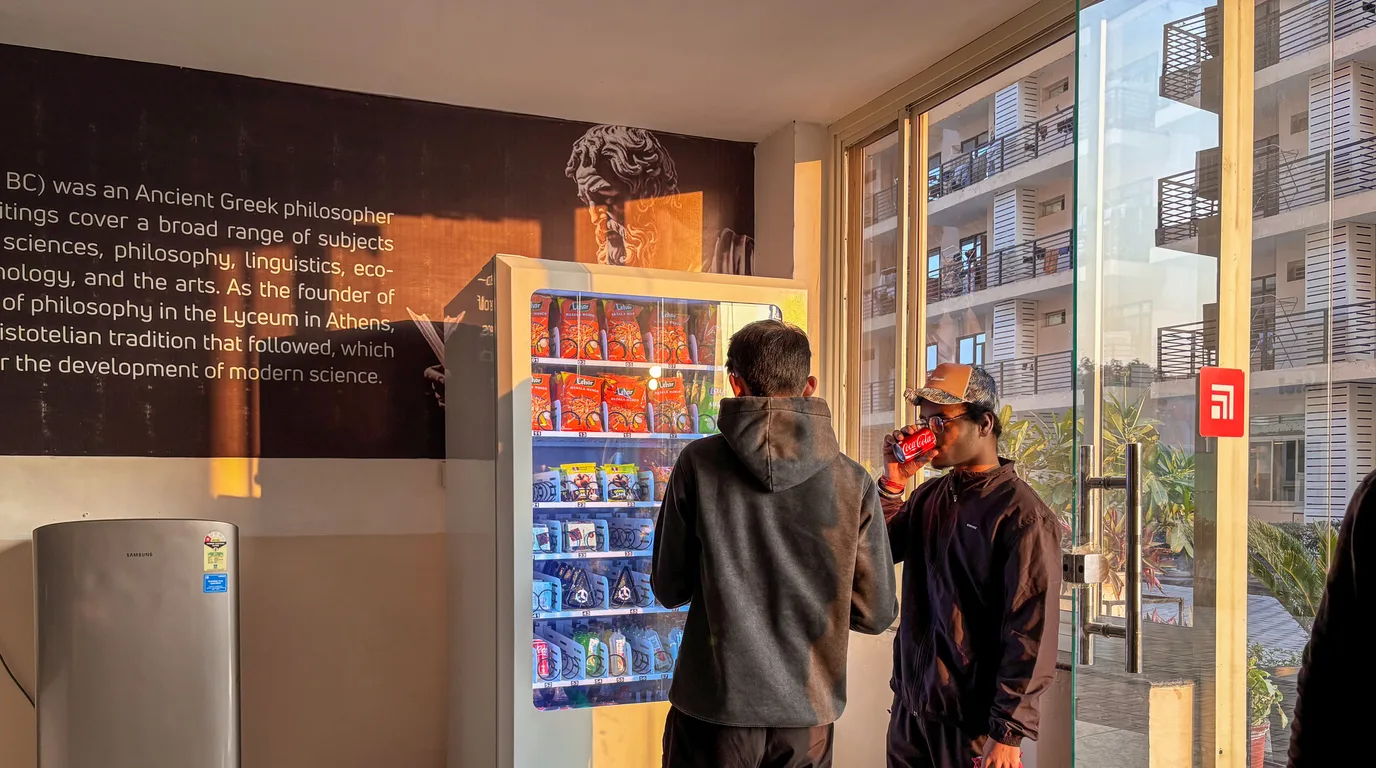
The best-documented figure comes from the U.S. Consumer Product Safety Commission: at least 37 deaths and 113 injuries between 1978 and November 1995 from people rocking or tilting soda vending machines, an average of about two deaths a year. Modern machines are heavier, often anchored, and designed to resist tipping, so incidents are now rare. Never shake or tilt a vending machine.
Quick Answer
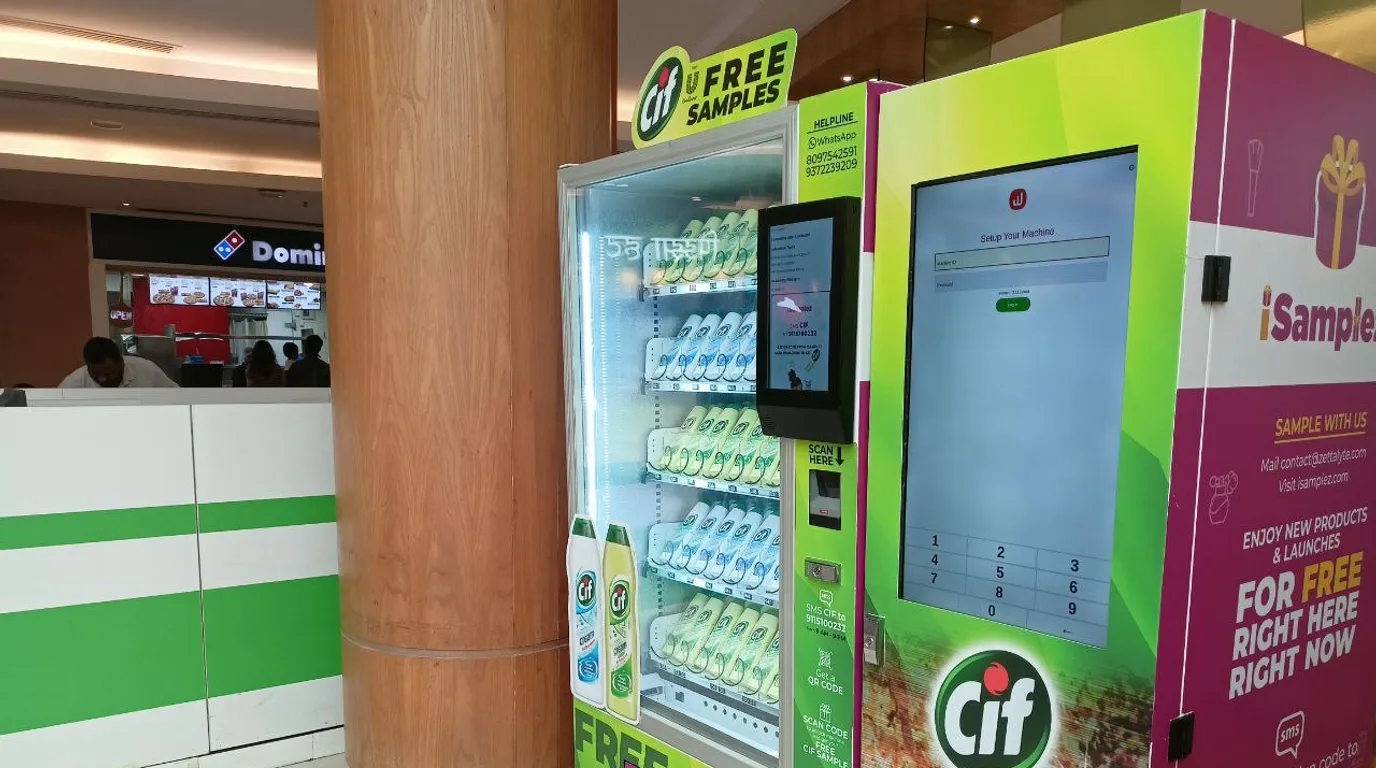
The statistic that vending machines kill more people per year than sharks went viral years ago, and while the shark comparison has been questioned and updated, the vending machine fatality figure itself has a real — if dated — basis. Its best-documented source is the U.S. Consumer Product Safety Commission (CPSC), which in 1995 reported at least 37 deaths since 1978 from people rocking or tilting soda vending machines — an average of about two deaths a year.
The mechanism is almost always the same: a person shakes, rocks, or pulls on a vending machine to dislodge a product that is stuck or to retrieve money from the coin return. The machine — which can weigh anywhere from 200 kg to over 500 kg fully stocked — tips forward and pins the person beneath it. Death from crush injuries follows. Non-fatal injuries from the same behaviour are far more common and rarely make the news.
Importantly, these figures are now quite old. Vending machine design has evolved substantially. Modern machines are significantly heavier at the base, often bolted or strapped to walls, and equipped with anti-tip brackets. Operators such as Wendor, which deploys smart vending machines across corporate campuses, colleges, hospitals, and public spaces in India, follow safety installation standards that include secure anchoring to prevent tipping incidents entirely.
Where the Statistic Comes From
The figure comes from a CPSC news release of 2 November 1995, issued alongside a soda vending machine industry labelling campaign. CPSC said it was aware of at least 37 deaths and 113 injuries since 1978 that resulted from consumers rocking or tilting machines to get free soda or money, and that it had received reports of at least two deaths in 1995 alone. These are minimum counts of reported incidents involving soda machines, not a complete count for every type of vending machine.
The comparison to shark attacks became popular because fatal shark attacks in the U.S. are rare, which made the vending machine figure surprising by comparison. The statistic spread through popular media, trivia books, and internet articles throughout the 2000s and remains widely cited today — often without acknowledgment that the underlying data is more than two decades old.
There is no single authoritative ongoing database specifically tracking vending machine fatalities in the United States or globally. Incidents are reported through hospital emergency departments, medical examiners, CPSC product incident reports, and occasionally through workers' compensation or occupational safety filings. This fragmented reporting means the true number — historically and today — is difficult to pin down with precision. What the available evidence consistently shows is that the risk, while real, is extremely low in absolute terms.
How Vending Machine Deaths Actually Happen
Understanding the mechanism behind these incidents is important both for appreciating the real risk and for knowing how to avoid it. Vending machine deaths and serious injuries do not happen randomly — they follow a predictable pattern driven by a specific user behaviour.
The Tipping Mechanism
A fully stocked vending machine is an extremely heavy object. A standard snack and beverage machine weighs between 200 kg and 400 kg. A refrigerated drink machine can exceed 500 kg when fully loaded. This weight is largely concentrated in the metal cabinet, compressor, and product inventory — and despite the machine's height, much of the weight sits in the lower half, giving it a reasonably stable centre of gravity under normal conditions.
The problem arises when a person applies force to the upper portion of the machine. Grabbing the top corners and pulling, rocking the machine front-to-back, or forcefully hitting the side causes the machine to shift its centre of gravity forward. Once the tipping point is reached, the full weight of the machine accelerates toward the floor — with the person's body in the way. A 300 kg machine falling onto a person's chest or head is instantly lethal or causes catastrophic injury. Bystanders have also been killed when a rocking machine fell in their direction.
Why People Rock Machines
The reason users rock or shake vending machines has not changed significantly over the decades: a product gets stuck in the dispensing mechanism, and the person wants their item or their money back. This is a completely understandable frustration, but it creates a dangerous situation. The stuck-product problem has driven the vast majority of documented incidents.
Secondary causes include attempting to steal products by tilting the machine to cause items to fall, and in rare cases, machines that were improperly installed or placed on uneven surfaces that increased their instability.
Non-Fatal Injuries
For every fatality, there are many more serious non-fatal injuries. CPSC's 1995 count recorded 113 injuries alongside the 37 deaths. Crush injuries to limbs and the head are the typical outcome when a machine falls on someone. These incidents receive far less media attention than fatalities but collectively represent a more significant public health concern.
Why Modern Machines Are Safer
The vending machine industry has not been static since the 1990s estimates were generated. Several overlapping improvements have substantially reduced the risk of tipping fatalities.
Heavier Base Designs
Modern vending machines are increasingly designed with a lower centre of gravity. Manufacturers have shifted weight distribution toward the base, making machines more resistant to forward tipping under applied force. While a determined person can still tip a machine, the threshold of force required has increased substantially compared with older, lighter designs.
Anti-Tip Brackets and Anchoring Requirements
Many municipalities and building codes in the United States and other markets now require vending machines to be secured to walls or floors using anti-tip brackets. Industry standards published by the National Automatic Merchandising Association (NAMA) include explicit anti-tipping installation guidance. Professional operators who follow these standards install machines in a way that makes tipping physically impossible without destroying the anchoring hardware — something that would require sustained deliberate effort rather than an impulsive shaking action.
In India, responsible commercial operators like Wendor apply anchoring and placement standards as part of their standard installation process. Machines are positioned against load-bearing walls, secured where possible, and placed on level surfaces to eliminate any pre-existing instability that might lower the tipping threshold.
Better Dispensing Reliability
The root cause of most tipping incidents — stuck products — has also been addressed by improvements in dispensing technology. Modern spiral and conveyor dispensing mechanisms have far lower jam rates than the older coil systems used in machines from the 1980s and 1990s. When products do get stuck, newer machines are more likely to detect the failed vend electronically and either retry the dispense or immediately credit the customer's account or initiate a refund, removing the motivation to shake the machine entirely.
Smart machines with real-time telemetry can report a stuck-product event to the operator before the customer has even finished their interaction. The operator can then resolve the issue remotely or dispatch a service technician, further reducing the window during which a frustrated user might attempt to dislodge the item manually.
Warning Labels and Consumer Education
In 1995, seven soda vending machine manufacturers agreed with CPSC to label new machines with a warning — "Never rock or tilt. Machine can fall over and cause serious injury or death" — and labels were offered for about 1.7 million machines already in use (CPSC). These labels, combined with broader public awareness of the tipping hazard, have contributed to a reduction in the behaviour that causes most incidents. Whether due to machine design improvements, better installation standards, more reliable dispensing, or consumer education — or most likely a combination of all four — documented vending machine fatalities have become genuinely rare events in modern times.
How to Use a Machine Safely
The rules for safe vending machine use are simple and can eliminate virtually all risk of a tipping-related injury.
- Never shake, rock, or tilt the machine. This is the single most important rule. No product or amount of money is worth the risk of a 300 kg machine falling on you. If an item is stuck, use the machine's customer service number, request a refund through the digital interface if available, or contact the venue's management.
- Do not reach into the dispensing chute beyond the flap. Some vending machines have a hinged flap or door at the bottom of the dispensing area. Reaching inside beyond this point creates a pinch or entrapment risk, and on older machines with different mechanical configurations, an entrapment injury is possible.
- Keep children away from the front of the machine during dispensing. The dispensing chute is designed for adult hand access. Small children reaching for items can have their arms or hands caught in the mechanism. Supervise children at vending machines at all times.
- Report stuck products through official channels. Most modern vending machines — including those operated by Wendor in India — display a customer support number or QR code on the machine face. Using these channels gets you a resolution without any physical risk.
- Use cashless payment where available. While this does not directly affect tipping risk, paying by UPI, card, or mobile wallet gives you a clear digital transaction record that makes refund requests straightforward. There is no ambiguity about whether you paid if you have a payment confirmation on your phone.
- Stand to the side, not directly in front, if a machine appears unstable. If you observe a machine rocking, making unusual sounds, or visibly leaning, step to the side and report it to venue management immediately. Do not attempt to stabilise a tipping machine with your body.
The simplicity of these rules reflects the simplicity of the underlying risk. Vending machine incidents are almost entirely preventable through one change in behaviour: do not apply force to the machine under any circumstances. A stuck item is an inconvenience. A tip-over is a life-threatening emergency.