
Trips outside the building
- Late-night needs when shops are shut or delivery is too slow.
- Short trips for basics are a chore in large compounds.
- Property teams do not want another unmanaged refill job.

Smart vending solutions built for real-world operations.
Our clients










Resident needs
Water, a snack, tissues, a charger: residents would rather buy them in the building than make a trip to the shop.
Trips outside the building
Wendor residential layer
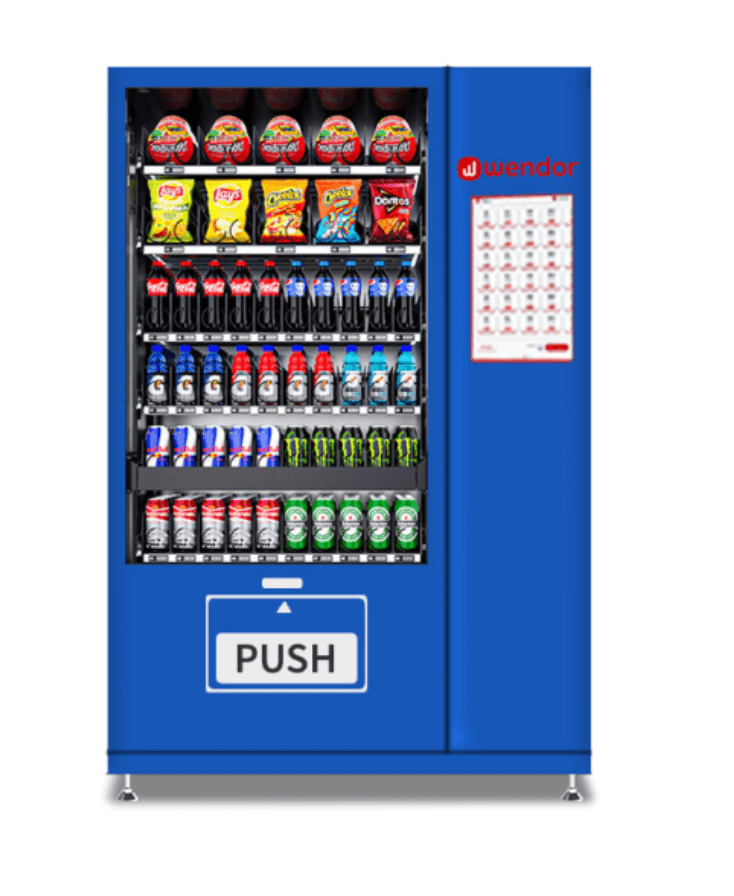
Why Wendor fits residential communities
Everyday practicality, simple cashless buying and predictable service for property managers and owners’ associations.
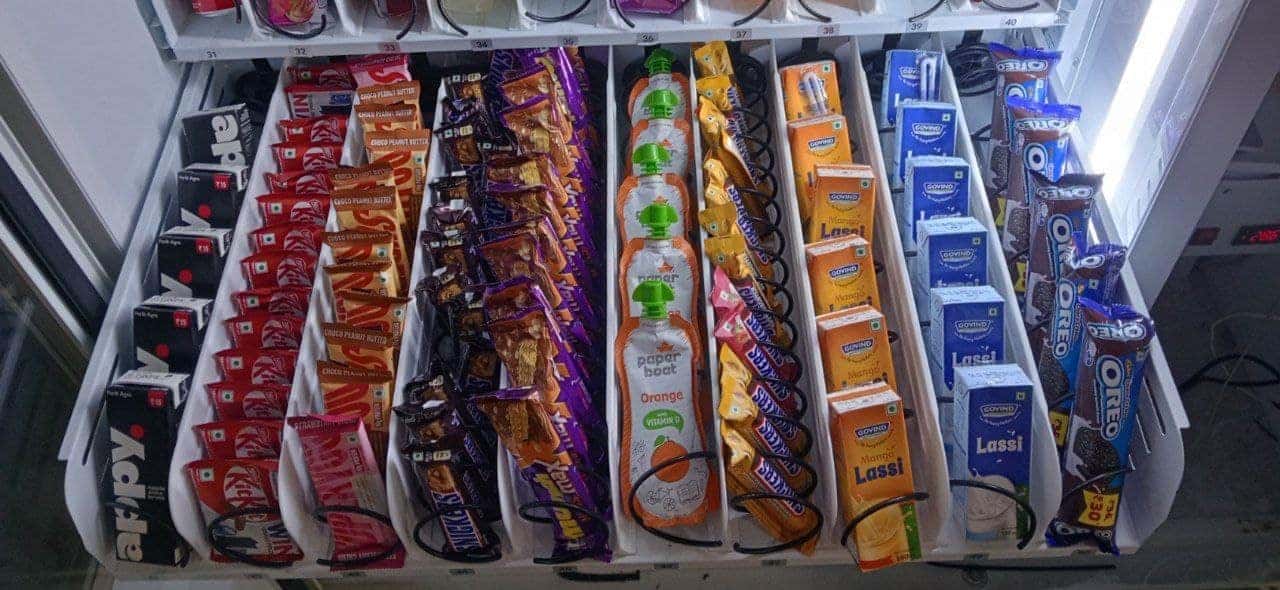
Drinks, snacks, hygiene items and quick basics chosen around what residents need in small urgent moments.
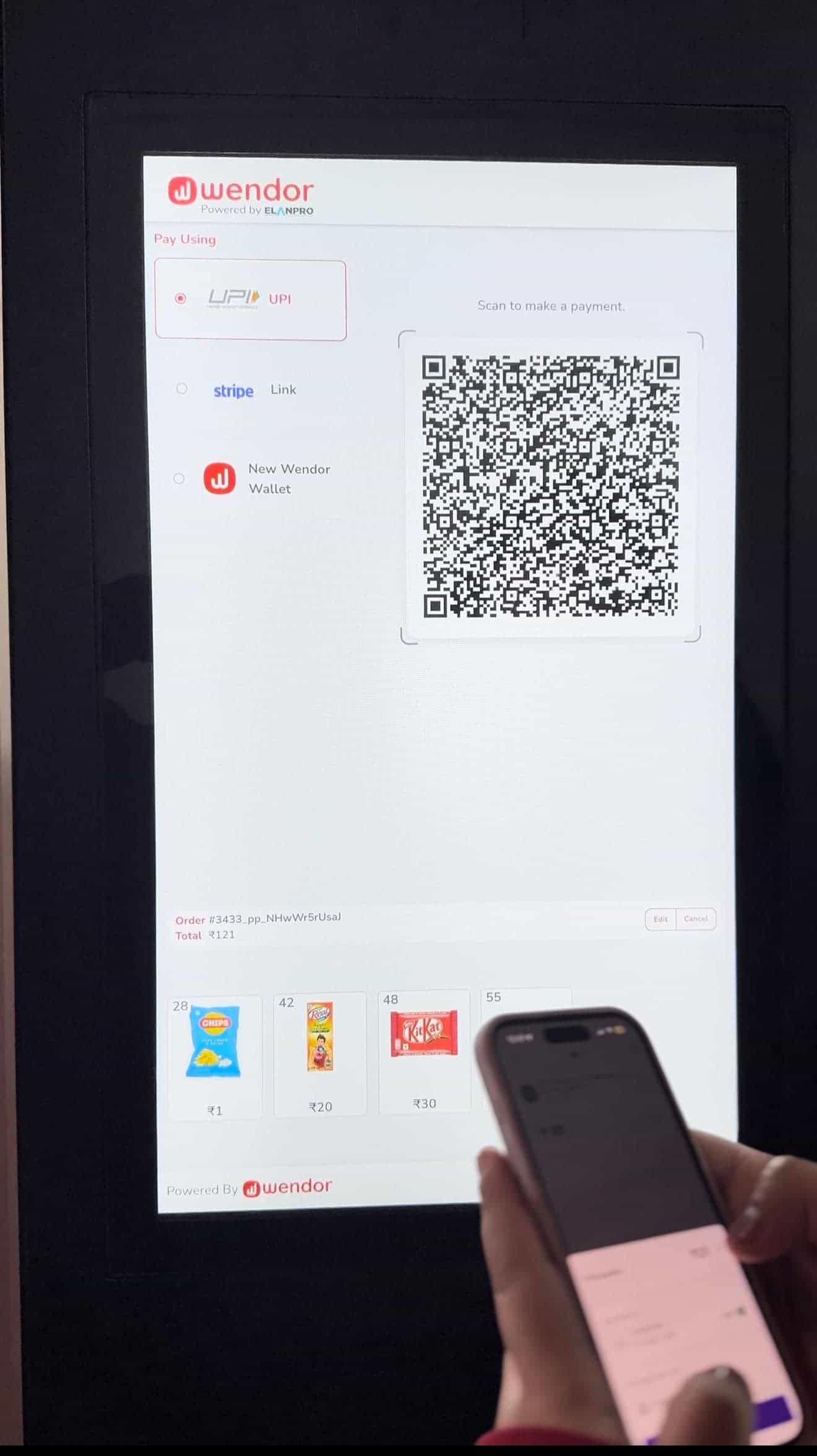
Cashless checkout keeps everyday use easy for residents, families and guests.
Property managers can see refills, usage and upkeep instead of guessing.
Machines for residential societies: Comet – Compact QR web-based vending machine Orion 10 – All-purpose touch vending machine with 350+ capacity
Smart capabilities

.GsGjKlBz.jpeg)
Deployments
Lobby, clubhouse and tower placements that support real daily use.
.ohjR7NRH.jpeg)
.CsfrWOW2.jpeg)
.BdYjoulN.jpeg)
.2Go2l0Re.jpeg)
Vending in Sri Lanka
Sri Lanka’s LankaQR standard lets shoppers pay from any bank app, and card use is strong in Colombo. Imported electrical goods pass SLSI inspection, and food sales follow the Food Act under the Ministry of Health.
Cards and LankaQR cover most urban buyers; cash is still common outside Colombo.
Sri Lankan projects are budgeted in rupees by machine, payment setup and landed cost.
Offices
Colombo business district and IT parks.
Hospitals
Staff and visitors.
Universities
Students and staff.
Hotels and airports
Tourists paying by card.
This is a planning guide, not legal or tax advice. Rules and rates change, so confirm current requirements with the authority named before you launch. Which payment methods a machine accepts depends on the payment terminal and gateway chosen for your sites.
FAQ
Questions? Ask us here

Wendor assistant
Online · Replies within 12 hours
We use cookies and similar technologies for analytics, including session recordings, to understand how this site is used and to improve it. Choose whether to allow them. You can change your choice at any time. Privacy Policy