Vending machine license requirements are set at the state and local level. Most states require a general business license and a sales tax permit; some, like Illinois and Pennsylvania, add specific food-establishment registrations or per-machine fees. Always confirm with your state's department of revenue and local health department.
Quick Answer
There is no single federal vending machine license in the United States. Instead, operators must piece together compliance from several layers of government. At a minimum, you will almost certainly need:
- A state business license or seller's permit (sometimes called a reseller's permit or sales tax permit)
- A local business license from your city or county
- A food handler's permit or food-establishment registration if your machines dispense food or beverages
- Possibly a per-machine sticker or decal issued by a state agency
The cost can range from zero (a handful of states with no sales tax and minimal licensing) to several hundred dollars per year once you stack state, county, and city fees. Smart operators budget for renewals and build compliance tracking into their operations from day one — the same operational discipline that modern smart-vending platforms like Wendor help businesses embed into their workflows.
How State Rules Differ
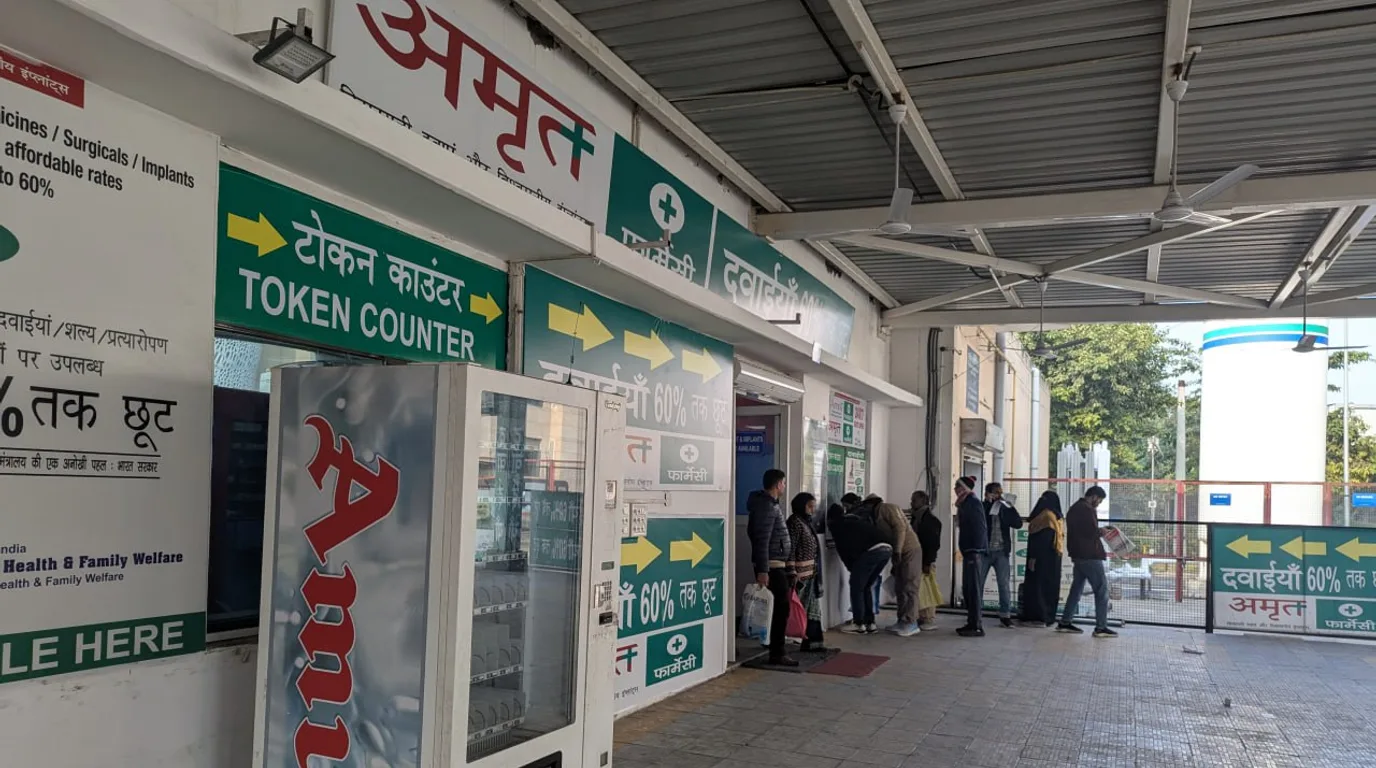
States diverge on vending compliance in four main ways: who administers the rules, what is regulated, how fees are calculated, and how enforcement works. Understanding these axes makes it much easier to research your own state quickly.
Administering Agency
Some states run vending oversight through the Department of Agriculture (focusing on food safety), others through the Department of Revenue (focusing on sales tax collection), and still others through a dedicated Division of Consumer Affairs or Health Services. A handful of states push all responsibility to the county level, meaning two operators 20 miles apart can face entirely different paperwork.
What Gets Regulated
Candy and gum machines rarely trigger food-safety inspections; machines dispensing fresh food, dairy, or beverages almost always do. Non-food machines — phone chargers, PPE dispensers, electronics — typically fall outside food codes but may still require a sales tax permit and a general business license. Tobacco and alcohol vending machines carry the most onerous requirements, including age-verification certifications and dedicated retail licenses.
Fee Structures
States use three broad fee models:
- Flat annual fee per operator: Pay once, cover all your machines. Common in smaller states.
- Per-machine fee: You pay a set amount for each machine in operation. This scales with your fleet and can become significant for large operators.
- Percentage of gross receipts: Less common, but a few states or municipalities tax a percentage of sales revenue from vending operations.
Enforcement Approach
States with active inspection regimes send health inspectors to vending locations; others rely on complaint-driven enforcement. Knowing your state's approach helps you prioritize which permits to get first and how rigorously to maintain records.
Illinois Requirements
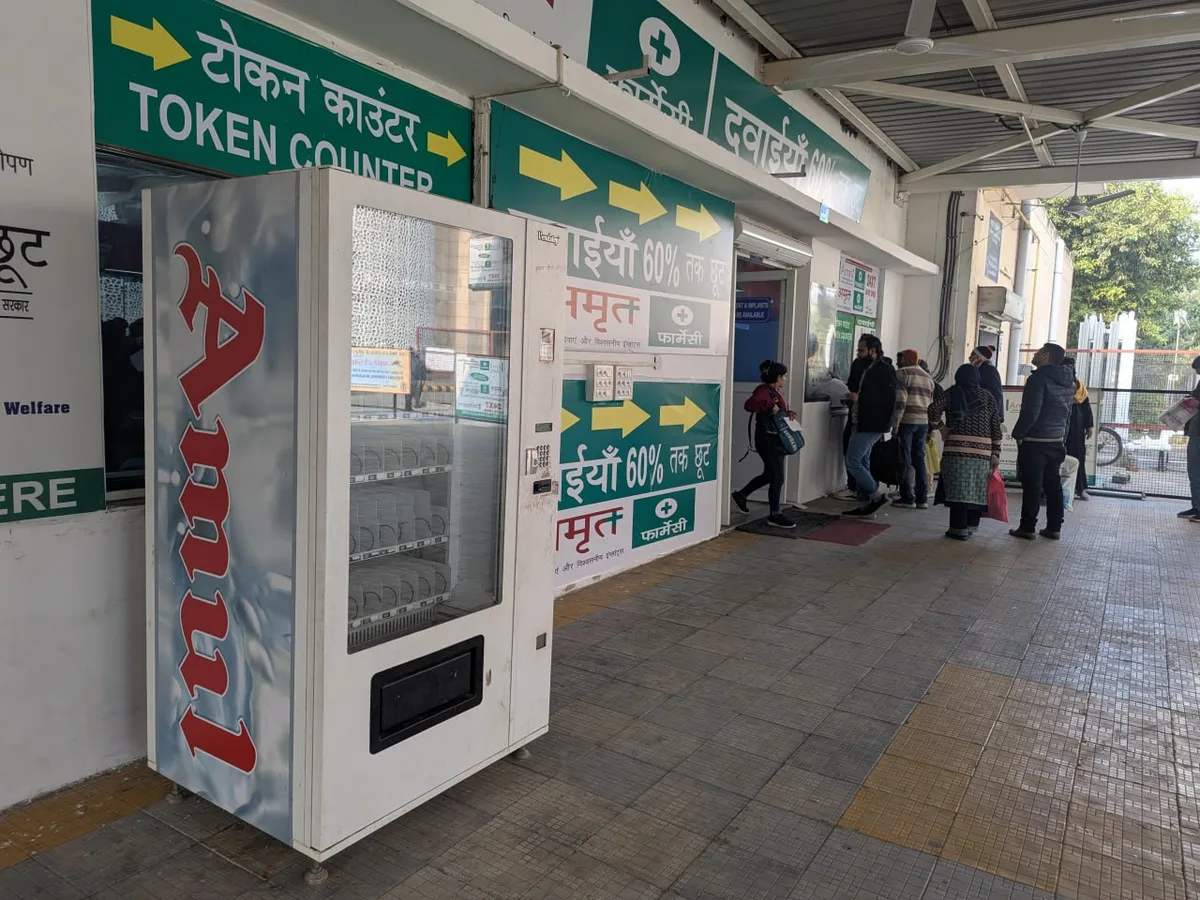
Illinois is one of the more structured states for vending operators, with requirements coming from both the state and local levels.
State-Level Requirements
All businesses selling tangible personal property in Illinois — including vending machine sales — must register with the Illinois Department of Revenue (IDOR) and obtain a Retailer's Occupation Tax (ROT) registration. This is effectively your sales tax permit. Registration is free but mandatory; operating without it exposes you to back-tax liability and penalties.
If your machines dispense food or beverages, the Illinois Department of Public Health (IDPH) classifies vending operations as food establishments. You will need a Food Service Sanitation Manager Certification or must employ a certified manager. The IDPH issues food facility licenses on an annual basis, and fees vary by the type and scale of the operation.
Local Requirements in Illinois
Chicago adds its own layer: operators must obtain a City of Chicago Business License and, for food machines, a Food Service Establishment License from the Chicago Department of Business Affairs and Consumer Protection (BACP). Per-machine inspections can apply in Chicago if you serve perishable items. Suburban municipalities such as Naperville, Aurora, and Rockford each have their own business license requirements, though these are generally simpler than Chicago's regime.
Practical Illinois Checklist
- Register with IDOR for Retailer's Occupation Tax (free)
- Obtain IDPH food facility license if dispensing food/beverages (fee varies)
- Secure a local business license in each municipality where you place machines
- Maintain sanitation logs and temperature records for perishable-item machines
- Renew all permits annually — IDPH and Chicago BACP licenses expire on set dates
Pennsylvania Requirements
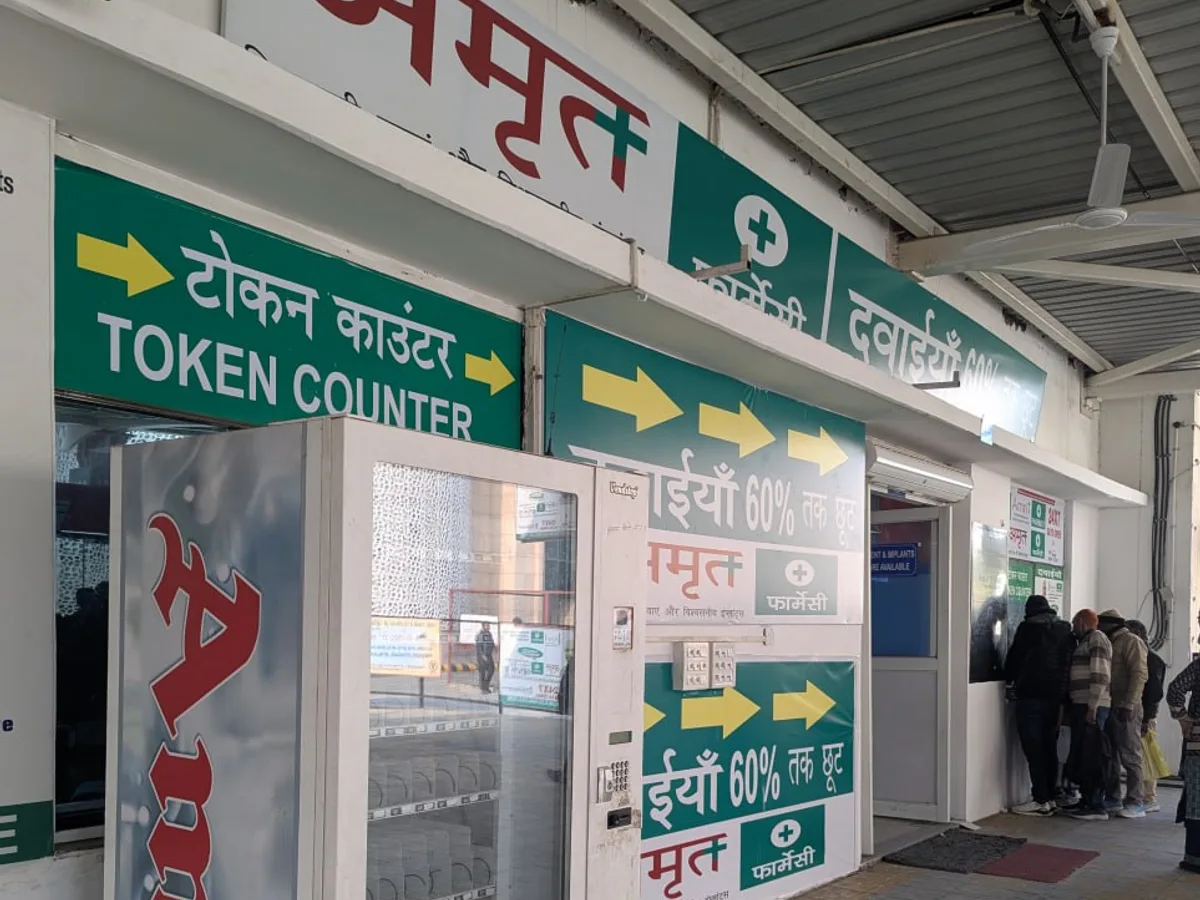
Pennsylvania's vending compliance framework is similarly layered, with state food-safety oversight playing a prominent role alongside standard business registration.
State-Level Requirements
Pennsylvania requires most businesses to register with the Pennsylvania Department of State and obtain a Sales Tax License from the Pennsylvania Department of Revenue. The sales tax license is free to obtain and must be renewed periodically.
The Pennsylvania Department of Agriculture (PDA) regulates food vending under the Pennsylvania Food Safety Act. Operators of food and beverage vending machines must obtain a Food Establishment License from the PDA. License fees are tiered by operation type and are typically in the range of $35–$100 per year for a standard vending operation. Machines dispensing potentially hazardous foods (those requiring temperature control) face stricter inspection schedules.
Local Requirements in Pennsylvania
Philadelphia and Pittsburgh both require city-level business privilege licenses, and Philadelphia adds a commercial activity license for vending operators generating revenue within city limits. Counties outside the major cities generally defer to the state PDA for food inspections but may require a local business registration or zoning clearance.
Practical Pennsylvania Checklist
- Register your business entity with the PA Department of State
- Obtain a PA Sales Tax License from the Department of Revenue (free)
- Secure a PDA Food Establishment License for food/beverage machines (~$35–$100/year)
- Obtain a local business license in Philadelphia, Pittsburgh, or your operating municipality
- Keep temperature logs for machines dispensing perishable items
- Schedule and pass PDA inspections for food machines
50-State Quick-Reference Table
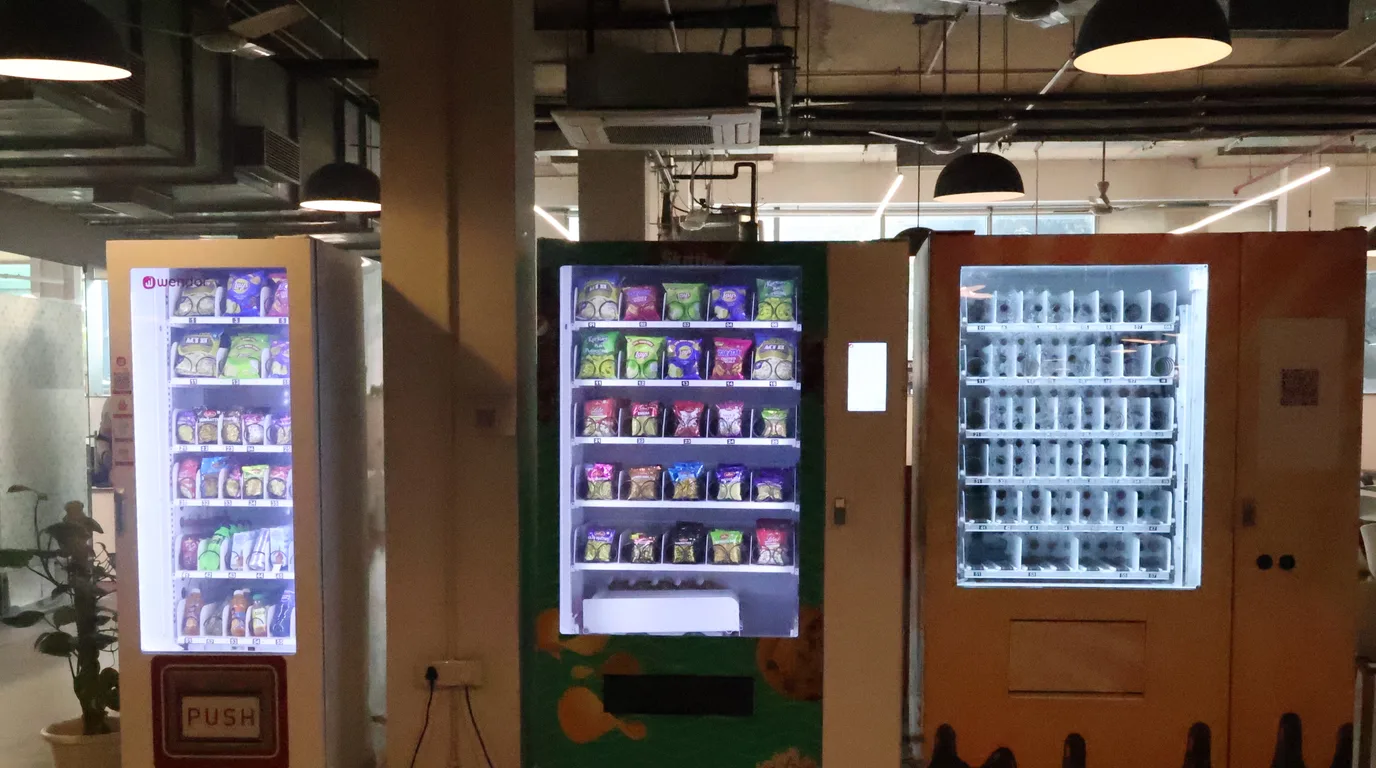
The table below summarizes the primary compliance requirements across all 50 states. Requirements change; always verify with the listed agency before operating. States with no state income tax are noted because they sometimes have higher sales-tax or business-license fees to compensate.
| State | Sales Tax Permit Required | Food Establishment License | Per-Machine Fee | Primary State Agency |
|---|---|---|---|---|
| Alabama | Yes | Yes (ADPH) | No | Dept. of Revenue / ADPH |
| Alaska | No state sales tax | Varies by municipality | No | Local municipalities |
| Arizona | Yes (TPT License) | Yes (AZDHS) | No | Dept. of Revenue / AZDHS |
| Arkansas | Yes | Yes (ADH) | No | Dept. of Finance & Admin |
| California | Yes (Seller's Permit) | Yes (CDPH) | Yes (some counties) | CDTFA / CDPH |
| Colorado | Yes | Yes (CDPHE) | No | Dept. of Revenue / CDPHE |
| Connecticut | Yes | Yes (DCP) | No | Dept. of Revenue Services |
| Delaware | No sales tax | Yes (DPH) | No | Div. of Revenue / DPH |
| Florida | Yes | Yes (FDACS) | Yes | Dept. of Revenue / FDACS |
| Georgia | Yes | Yes (GDPH) | No | Dept. of Revenue / GDPH |
| Hawaii | Yes (GET License) | Yes (HDOH) | No | Dept. of Taxation / HDOH |
| Idaho | Yes | Yes (IDHW) | No | State Tax Commission |
| Illinois | Yes (ROT) | Yes (IDPH) | No (Chicago: Yes) | IDOR / IDPH |
| Indiana | Yes (BT-1) | Yes (ISDH) | No | Dept. of Revenue / ISDH |
| Iowa | Yes | Yes (IDPHi) | No | Dept. of Revenue |
| Kansas | Yes | Yes (KDHE) | No | Dept. of Revenue / KDHE |
| Kentucky | Yes | Yes (KDPH) | No | Dept. of Revenue / KDPH |
| Louisiana | Yes | Yes (LDH) | No | Dept. of Revenue / LDH |
| Maine | Yes | Yes (DHHS) | No | Revenue Services / DHHS |
| Maryland | Yes | Yes (MDE) | No | Comptroller / MDE |
| Massachusetts | Yes | Yes (MDPH) | No | Dept. of Revenue / MDPH |
| Michigan | Yes | Yes (MDHHS) | No | Dept. of Treasury |
| Minnesota | Yes | Yes (MDH) | No | Dept. of Revenue / MDH |
| Mississippi | Yes | Yes (MSDH) | Yes | Dept. of Revenue / MSDH |
| Missouri | Yes | Yes (MODHSS) | No | Dept. of Revenue |
| Montana | No sales tax | Yes (DPHHS) | No | Dept. of Revenue / DPHHS |
| Nebraska | Yes | Yes (DHHS) | No | Dept. of Revenue |
| Nevada | Yes | Yes (SNHD/CCHHS) | No | Dept. of Taxation |
| New Hampshire | No sales tax | Yes (DHHS) | No | Dept. of Revenue Admin |
| New Jersey | Yes | Yes (NJDOH) | No | Div. of Taxation / NJDOH |
| New Mexico | Yes (CRS) | Yes (NMDOH) | No | Taxation & Revenue Dept. |
| New York | Yes | Yes (NYSDOH) | No | Dept. of Taxation / NYSDOH |
| North Carolina | Yes | Yes (NCDHHS) | No | Dept. of Revenue |
| North Dakota | Yes | Yes (NDDoH) | No | Office of State Tax Comm. |
| Ohio | Yes (Vendor's License) | Yes (ODH) | No | Dept. of Taxation / ODH |
| Oklahoma | Yes | Yes (OSDH) | No | Tax Commission / OSDH |
| Oregon | No sales tax | Yes (OHA) | No | Dept. of Revenue / OHA |
| Pennsylvania | Yes | Yes (PDA) | No | Dept. of Revenue / PDA |
| Rhode Island | Yes | Yes (RIDOH) | No | Div. of Taxation / RIDOH |
| South Carolina | Yes (Retail License) | Yes (SCDHEC) | No | Dept. of Revenue / SCDHEC |
| South Dakota | Yes | Yes (SDDOH) | No | Dept. of Revenue |
| Tennessee | Yes | Yes (TDOH) | No | Dept. of Revenue / TDOH |
| Texas | Yes (Sales Tax Permit) | Yes (DSHS) | No | Comptroller / DSHS |
| Utah | Yes | Yes (UDOH) | No | Tax Commission / UDOH |
| Vermont | Yes | Yes (VDH) | No | Dept. of Taxes / VDH |
| Virginia | Yes | Yes (VDH) | No | Dept. of Taxation / VDH |
| Washington | Yes (Business License) | Yes (WDOH) | No | Dept. of Revenue / WDOH |
| West Virginia | Yes | Yes (DHHR) | No | Tax & Revenue Dept. |
| Wisconsin | Yes (Seller's Permit) | Yes (WDHS) | No | Dept. of Revenue / WDHS |
| Wyoming | Yes | Yes (WDOH) | No | Dept. of Revenue / WDOH |
Note: Alaska, Delaware, Montana, New Hampshire, and Oregon have no state-level sales tax, which simplifies one layer of compliance but does not eliminate the need for food-establishment licenses or local business permits where applicable. Mississippi and Florida are among the states that have historically charged per-machine fees; always verify current fee schedules directly with the relevant agency.
The Permits Most Operators Need
Federal, state and local rules overlap, so most operators end up holding several of these:
- General business license: issued by the city or county where each machine sits, not only where you are headquartered. Usually renewed every year.
- Seller's permit (sales tax permit): required in every state with a sales tax. It is often free, but you must file sales tax returns monthly or quarterly.
- Dedicated vending permit: some states and cities license operators or individual machines separately, through the department of agriculture, health or revenue. Fees range from a few dollars per machine to flat operator fees in the thousands.
- Health permit: machines that sell food or drinks usually need a county health permit and an initial inspection. Machines selling only non-food items generally do not.
How to Confirm Your State
The table above is a starting point, not a legal authority. Rules change with every legislative session, and local ordinances can diverge sharply from state defaults. Here is a reliable process for getting accurate, current information:
Step 1 — Identify Your Business Structure
Whether you are a sole proprietor, LLC, or corporation affects your registration pathway. Register your entity with the Secretary of State before applying for operational licenses, as most licensing portals require a registered entity number.
Step 2 — Contact the Department of Revenue
Call or visit your state's Department of Revenue (or equivalent — Comptroller in Texas and Maryland, Taxation and Revenue in New Mexico, etc.) and ask specifically: "I plan to operate food and beverage vending machines in your state. What sales tax permits do I need, and how do I register?" Most states have a small-business helpline and can walk you through the process in under 20 minutes.
Step 3 — Contact the State Health or Agriculture Department
Ask: "Do vending machines dispensing packaged snacks and beverages require a food establishment license in your state? If yes, what is the application process and fee?" Confirm whether inspections are scheduled or complaint-driven, and ask for the renewal date so you can calendar it.
Step 4 — Check Local Requirements
Contact the city or county clerk in every jurisdiction where you plan to place machines. Ask about local business licenses, zoning restrictions (some municipalities ban vending machines in certain commercial zones), and whether a separate health permit is required at the local level in addition to the state permit.
Step 5 — Document Everything
Keep digital copies of all license certificates, application confirmations, inspection reports, and renewal notices. If you are managing a growing fleet, consider using a vending management platform to keep machine-level compliance data alongside sales and restocking data. Companies like Wendor build operational discipline into smart vending technology — the same discipline that keeps compliance records organized and renewal deadlines from slipping through the cracks.
Common Mistakes to Avoid
- Assuming a permit from one city covers the whole state
- Forgetting to update permits when you add machines
- Skipping health permits for machines that sell "just snacks"
- Not collecting sales tax because you assumed vending sales were exempt
- Missing annual renewals because they were never put on a calendar