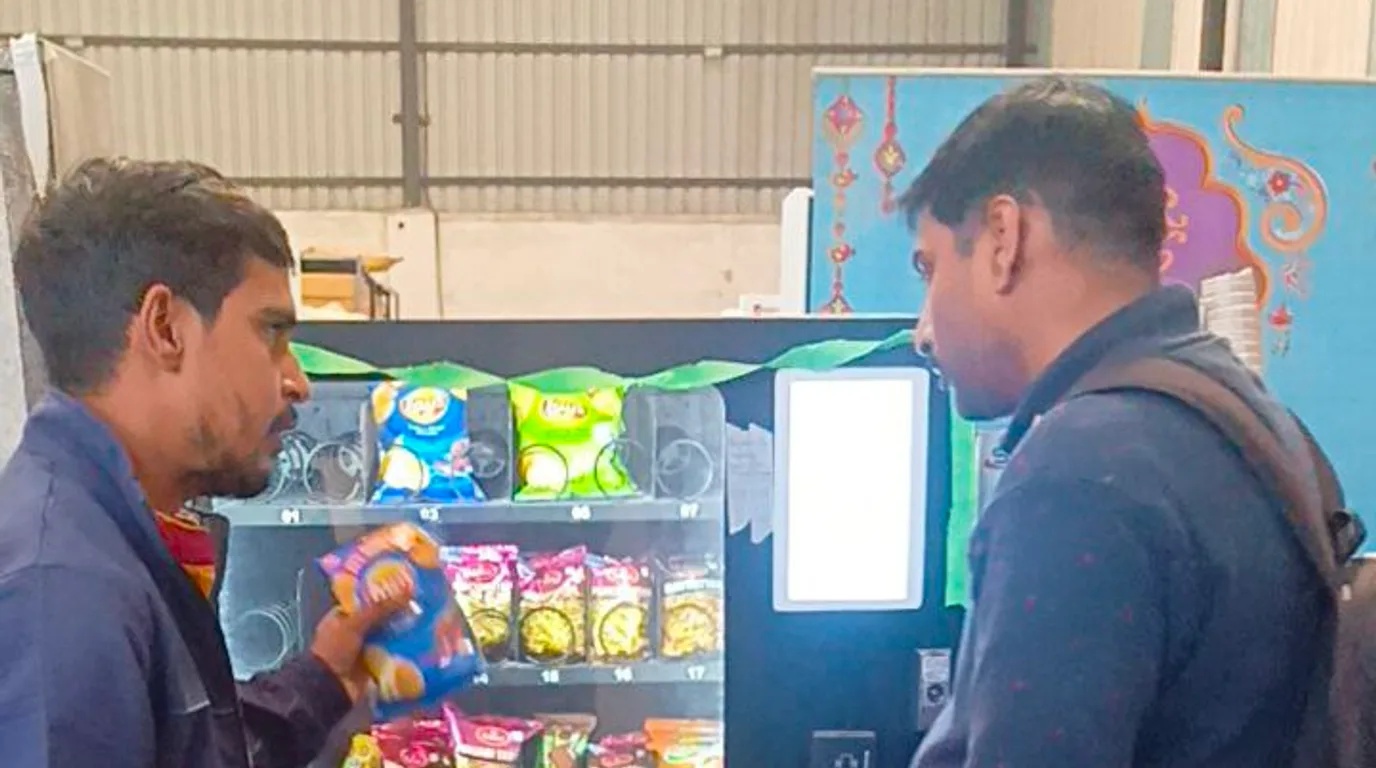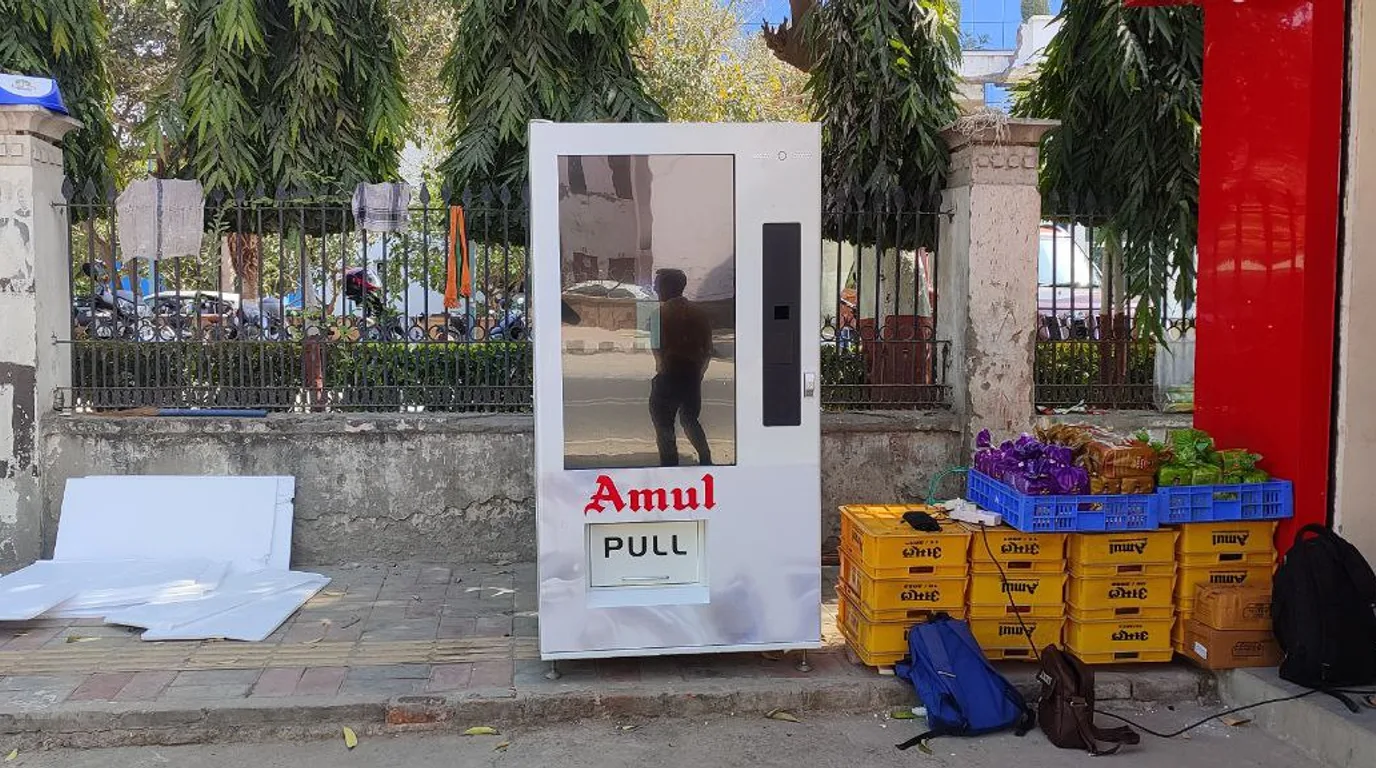

You don't legally have to form an LLC to run a vending machine business, but it's widely recommended. An LLC separates your personal assets from business liabilities, offers pass-through taxation, and looks more professional to location owners. Sole proprietorships are simpler and cheaper but leave your personal assets exposed.
Quick Answer

No, you do not need an LLC to legally operate a vending machine business. In every U.S. state you can start placing machines and collecting revenue as a sole proprietor, usually under a local business license and a state sales tax permit, without forming a limited liability company. That said, the question is not really about legality. It is about risk, professionalism, and long-term growth.
If you are testing one or two machines at a local office or school canteen, a sole proprietorship may be sufficient to get started quickly. However, once you begin signing location contracts, hiring staff, or operating more than a handful of machines, the legal and financial separation that an LLC provides becomes increasingly valuable. Most experienced vending operators recommend forming one sooner rather than later, precisely because the cost of setting up an entity is far lower than the cost of a single lawsuit or unpaid liability that reaches your personal bank account.
An entity also makes the paperwork around smart vending machines simpler: payment processors, software platforms such as Wendor OS and location owners all onboard a business with its own EIN and bank account more easily than an individual.
What an LLC Is
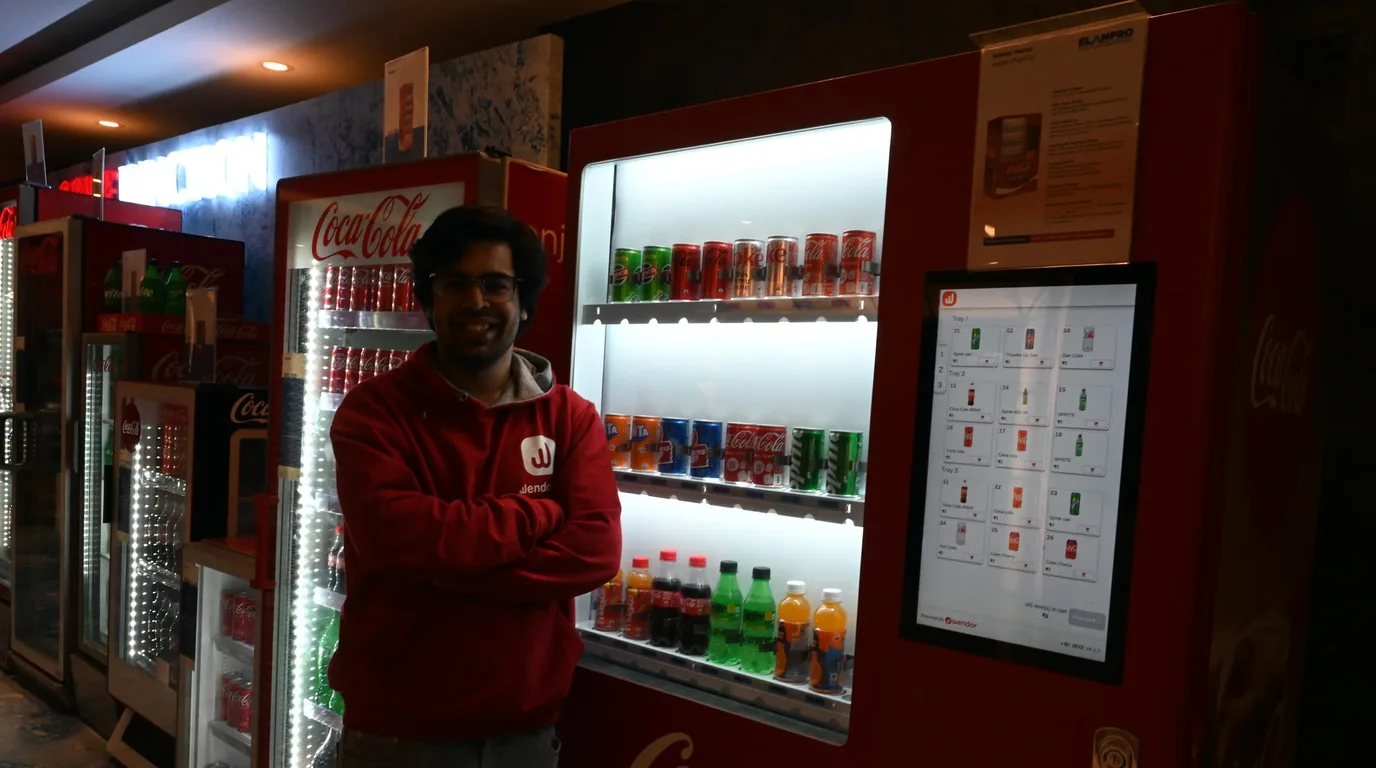
A Limited Liability Company, commonly abbreviated as LLC, is a business structure that combines the liability protection of a corporation with the tax simplicity of a sole proprietorship or partnership. The defining feature is the word "limited liability" — it means that the company's debts and legal obligations are generally the company's problem, not yours personally.
In the United States, LLCs are formed at the state level and governed by state law, so filing fees, annual reports and franchise taxes differ from state to state. For federal income tax, the IRS treats a single-member LLC as a "disregarded entity" by default, so profits are reported on the owner's return, and an LLC with two or more members as a partnership, unless the LLC elects to be taxed as a corporation (IRS: single member LLCs).
The key characteristics of an LLC include:
- Separate legal identity: The business can own assets, enter contracts, and be sued independently of its owners.
- Limited personal liability: Owners (called members in an LLC) are not personally responsible for the company's debts, except in cases of fraud or personal guarantees.
- Pass-through taxation: In many structures, profits are taxed once at the owner level rather than twice at both corporate and personal levels.
- Flexible management: Unlike corporations, LLCs typically have fewer formal requirements around board meetings, resolutions, and record-keeping.
For a vending machine operator, this structure means that if a customer slips near one of your machines, or if a supplier takes you to court over an unpaid invoice, the legal action targets the LLC — not your personal home, car, or savings.
Benefits for Vending Operators

The vending machine business carries several specific risks and operational characteristics that make an LLC-type structure especially worthwhile. Here is a breakdown of the most important benefits for vending operators specifically.
Personal Asset Protection
Vending machines are physical equipment placed in locations you do not own. Accidents happen — a machine tips over, a product causes an allergic reaction, or a location owner claims property damage. If you operate as a sole proprietor, any resulting lawsuit can attach to your personal assets: your savings, your vehicle, even your home. An LLC creates a legal firewall. In the vast majority of cases, only the assets owned by the LLC are at risk.
Easier Location Agreements
Property managers, corporate offices, hospitals, and universities increasingly require vendors to show proof of a registered business entity before signing a placement agreement. Operating under a business name backed by a formal registration signals that you are serious, financially accountable, and structured for long-term partnership. Operators working with Wendor's smart vending solutions often find that enterprise clients prefer dealing with a registered entity for contract and invoicing purposes.
Sales Tax and Bookkeeping
Vending sales are retail sales, so in states with a sales tax you need a seller's permit and must file returns whatever your structure. An LLC with its own EIN and bank account keeps machine revenue, product purchases, commissions and sales tax separate from your personal finances, which makes returns and any audit far easier.
Building Business Credit
When your vending business is formally registered, it becomes possible to build a credit profile for the entity itself. This matters when you want to finance additional machines, take on a working capital loan, or negotiate vendor credit terms with product suppliers. Mixing personal credit with business borrowing creates complications; a separate entity keeps them distinct.
Succession and Scale
A sole proprietorship legally dissolves when the owner dies or steps away. A registered business entity continues to exist, which is important if you plan to sell the business, bring in a partner, or transfer operations to a family member. Having a scalable legal structure from the beginning avoids painful restructuring later.
Sole Proprietor vs. LLC
The table below summarizes the key differences between operating as a sole proprietor and forming an LLC-equivalent registered entity for your vending machine business.
| Factor | Sole Proprietorship | LLC / Registered Entity |
|---|---|---|
| Setup cost | Very low — minimal registration fees | Moderate — government fees plus professional charges |
| Personal liability | Full personal liability | Limited to business assets in most cases |
| Taxation | Income taxed as personal income | Pass-through or corporate tax depending on structure |
| Credibility | Lower — harder to sign enterprise contracts | Higher — preferred by corporates, hospitals, institutions |
| Banking | Personal account often used | Dedicated business account, easier reconciliation |
| Sales tax filing | Required, often mixed with personal records | Required, with separate books and bank account |
| Scalability | Limited — hard to add partners or sell | Structured for growth, partnerships, and exit |
| Record-keeping burden | Minimal | Moderate — state annual report and fees in most states |
| Continuity | Ends with the owner | Continues independently of ownership changes |
For most vending operators with more than two or three machines, the liability protection and credibility benefits of a registered entity outweigh the modest setup and compliance costs.
When to Form One

There is no single universal trigger, but experienced vending operators generally point to a few clear signals that it is time to formalize your business structure.
Before Signing Your First Location Contract
Location agreements are legally binding documents. If something goes wrong after signing — a machine damages property, a product injures a customer, or a billing dispute escalates — the contract creates documented liability. Forming your entity before signing your first contract means that liability attaches to the business, not to you personally.
When You Invest in Multiple Machines
Used machines are relatively cheap, but a modern smart vending unit is a significant capital investment. Once you have multiple machines representing a substantial total asset value, the risk calculus shifts, and a state LLC filing fee is small compared to the capital at risk.
When You Hire Your First Employee or Contractor
Hiring brings payroll taxes, workers' compensation insurance and 1099 or W-2 reporting, all of which are tied to your EIN. If a worker is injured on a route or claims unpaid wages, personal exposure is a real risk unless your business is properly structured and insured.
When Enterprise Clients Require It
Hospitals, IT parks, universities, and large manufacturing units typically require vendors to show proof of a registered business, a certificate of insurance and a W-9 before approving a placement request. If a high-value location is contingent on a formal registration, the registration pays for itself immediately.
How to Set One Up
Forming an LLC for a vending business takes a few steps. Exact forms and fees depend on your state, so check your Secretary of State's website before you file.
Choose Your State and Name
Most small operators form the LLC in the state where their machines are placed. Forming elsewhere usually means registering as a foreign LLC in your home state as well. Check that the name is available in the state business database.
Appoint a Registered Agent
Every LLC needs a registered agent with a physical address in the state to receive legal papers. You can act as your own or pay a registered agent service.
File Articles of Organization
File articles of organization (some states call them a certificate of formation) with the Secretary of State and pay the state filing fee. Many states also require an annual or biennial report, and some charge an annual franchise tax.
Write an Operating Agreement
An operating agreement sets out ownership, profit splits and what happens if a member leaves. Not every state requires one, but banks and partners often ask for it, and it helps preserve your liability protection.
Get an EIN
Apply for an Employer Identification Number from the IRS. The online application is free (IRS: get an EIN). You will need it for the business bank account, payment processors and any employees.
Register for Sales Tax and Local Licenses
Get a seller's permit (sales tax permit) from your state's revenue department, then the business license and any vending or health permits required where each machine sits. Our vending machine license requirements by state guide covers the permit layer.
Open a Business Bank Account and Get Insurance
Run all vending revenue and costs through the LLC's own account from day one; mixing personal and business money can weaken your liability protection. An LLC does not replace general liability insurance, which many locations require before they sign.
Talk to an Accountant
A CPA can tell you whether default pass-through taxation or an S corporation election suits your profit level, and keep sales tax filings on schedule.