
Fragmented or slow retail
- Rushed passengers abandon slow purchases.
- Early and late hours still need service when kiosks are closed.
- Basics are scattered across a large terminal or station.

Smart vending solutions built for real-world operations.
Our clients










Transit challenge
Passengers buy when they are rushed, waiting or transferring. Short decision windows need simple self-service right next to where people move.
Fragmented or slow retail
Wendor transit layer

Why Wendor fits transport hubs
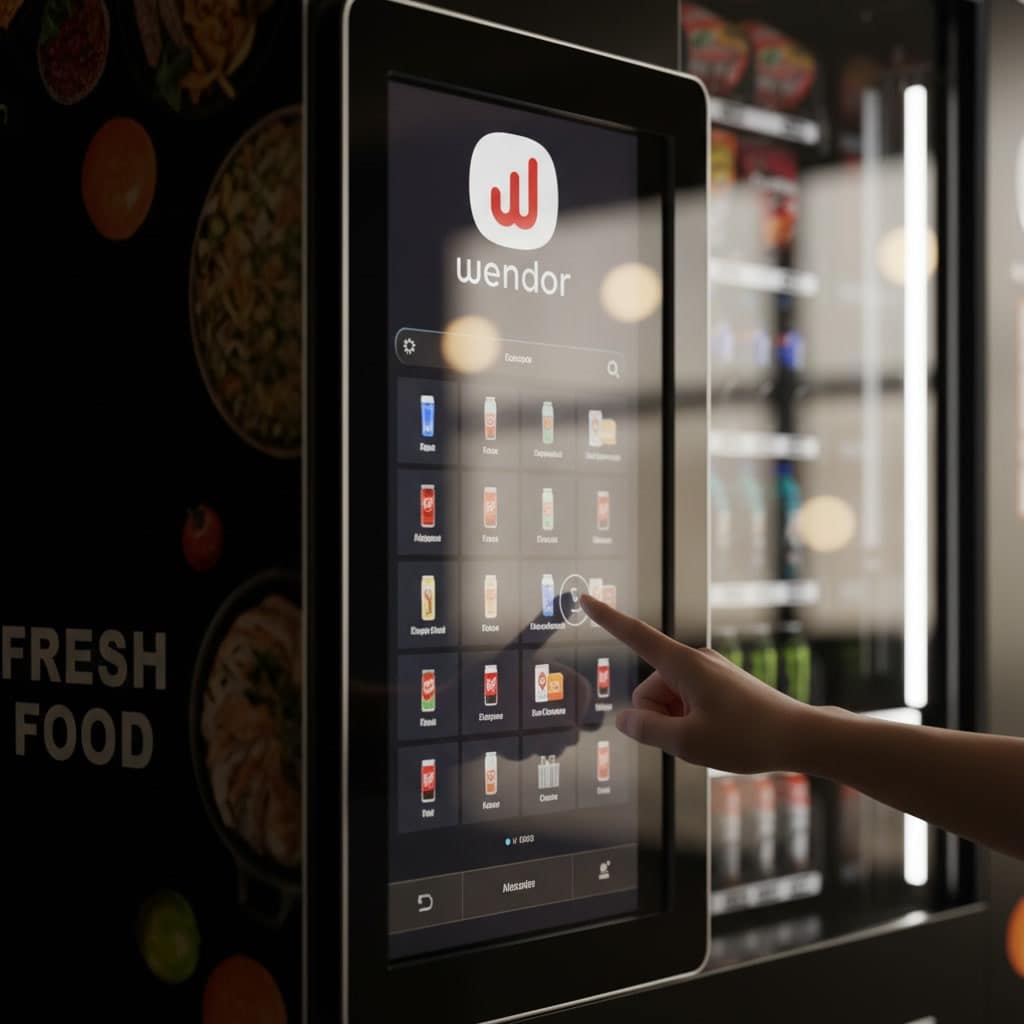
Quick discovery, cashless payment and merchandising tuned for busy, moving crowds.
Passengers see what the machine sells, find the right product and pay without friction.
Digital checkout fits airports, metro systems and stations where speed matters.
High-footfall sites need control over stock and service so machines stay ready in rush and off-peak hours.
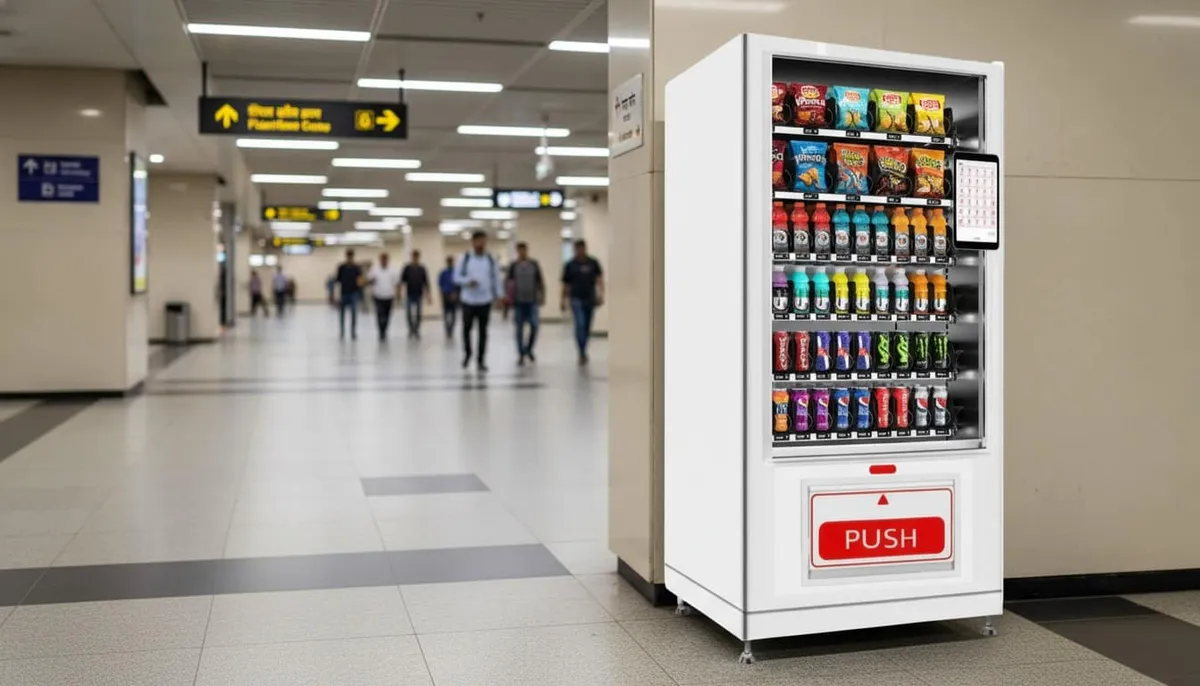
Machines for transport hubs: Orion 10 XL – Expanded all-purpose model with 500+ capacity Phoenix – High-speed beverage vending machine
Smart capabilities

Deployments
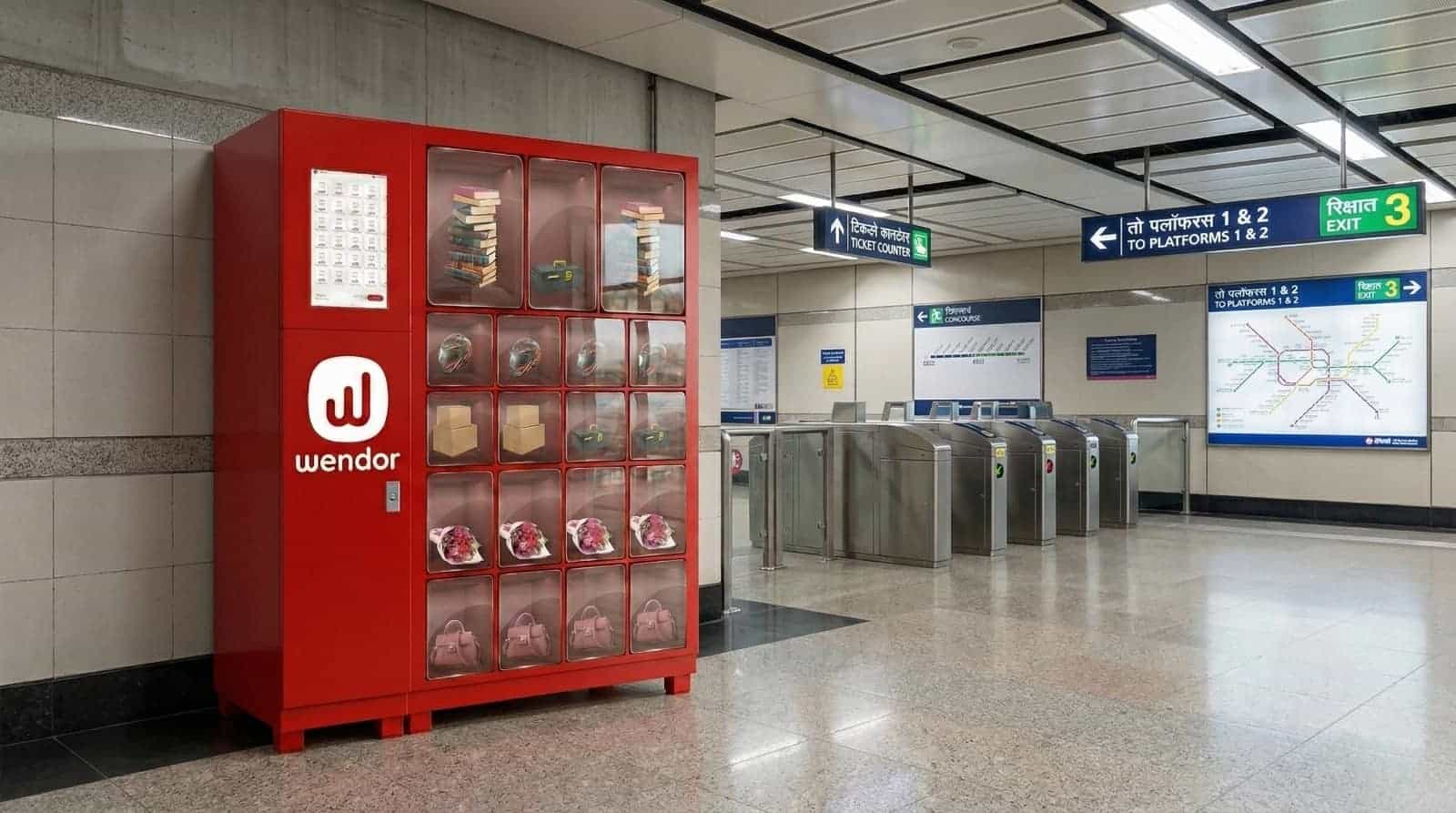
Concourse, waiting-area and walkway placements for urgent and repeat demand.
.BzZc0x5R.jpeg)
.CRnu0_2r.jpeg)
Vending in Vietnam
Vietnam went from cash to QR very quickly: VietQR lets any bank app pay any merchant, and wallets like MoMo and ZaloPay are everywhere in the cities. Food businesses need a food safety certificate, and labels must be in Vietnamese.
QR is the default in Hanoi and Ho Chi Minh City; a single VietQR code covers every bank app.
Vietnamese projects are budgeted in VND by machine type and payment integration.
Offices and industrial parks
Factory and office workers.
Universities
Students paying by QR.
Hospitals
Visitors at all hours.
Apartment buildings
Convenience in high-rise residential areas.
This is a planning guide, not legal or tax advice. Rules and rates change, so confirm current requirements with the authority named before you launch. Which payment methods a machine accepts depends on the payment terminal and gateway chosen for your sites.
FAQ
Questions? Ask us here

Wendor assistant
Online · Replies within 12 hours
We use cookies and similar technologies for analytics, including session recordings, to understand how this site is used and to improve it. Choose whether to allow them. You can change your choice at any time. Privacy Policy