
Traditional campus cafeteria
- Long queues eat into short breaks between classes.
- Limited opening hours leave evening and weekend demand unserved.
- Staffing and running costs add management overhead.

Smart vending solutions built for real-world operations.
Our clients










Campus challenge
Traditional food service can be slow, expensive and hard to scale. Smart vending gives schools and universities a faster, cleaner and more controllable option.
Traditional campus cafeteria
Wendor smart vending layer
Business outcomes
Wendor helps campuses improve convenience, keep service quality high and run food retail with better consistency and control.
Machines capture demand that already exists on campus, from early lectures to late study sessions, and the income can support student programmes.
Self-service retail upgrades the student experience without the upkeep of a staffed outlet.
Easy access to snacks and drinks keeps students focused and improves day-to-day campus life.
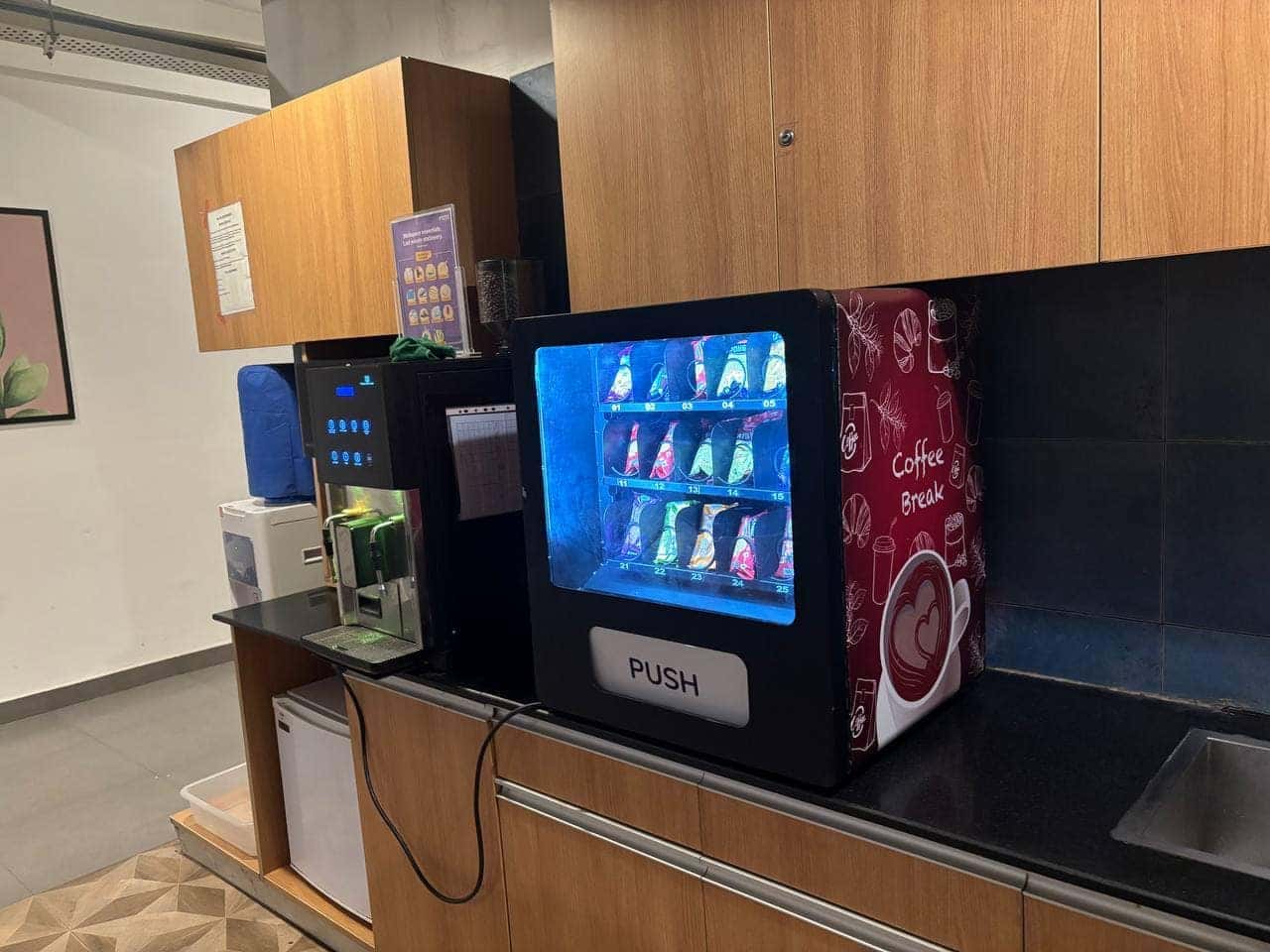
Machines for education: Orion 10 XL – Expanded all-purpose model with 500+ capacity Galaxy 22 – Large-format 21.5-inch all-purpose model
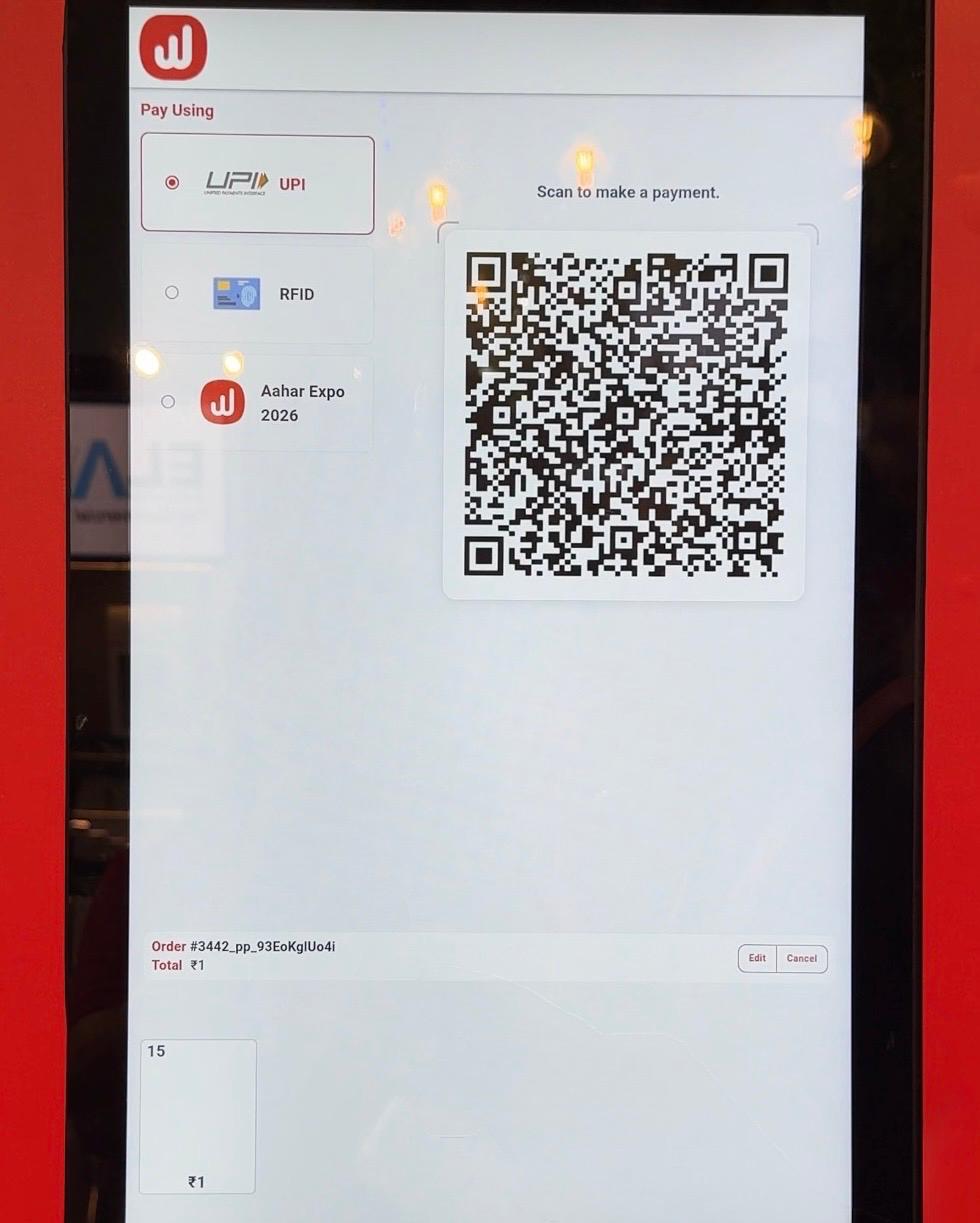
Smart capabilities
.B9NxL8Yx.jpeg)
Campus deployments
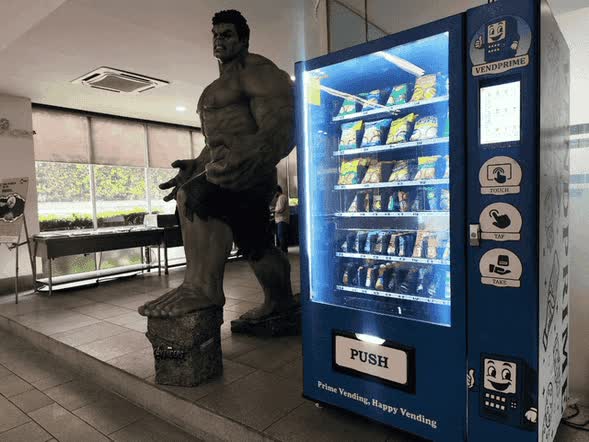
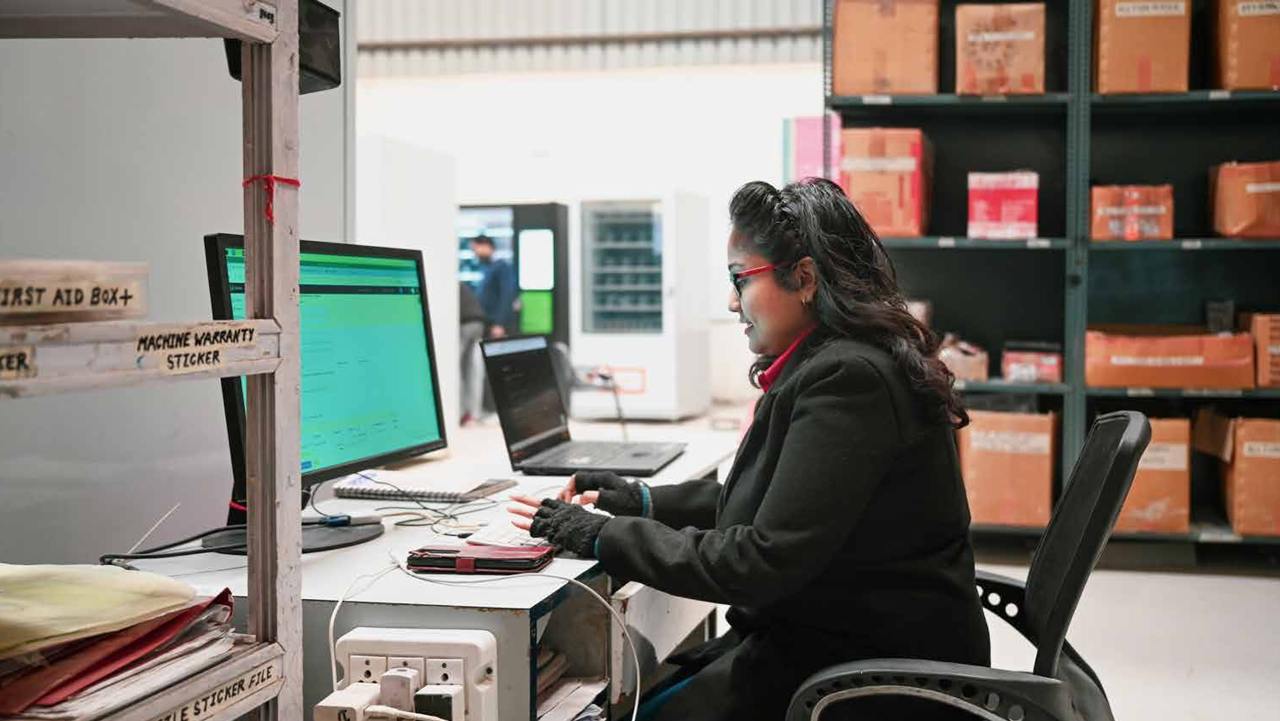
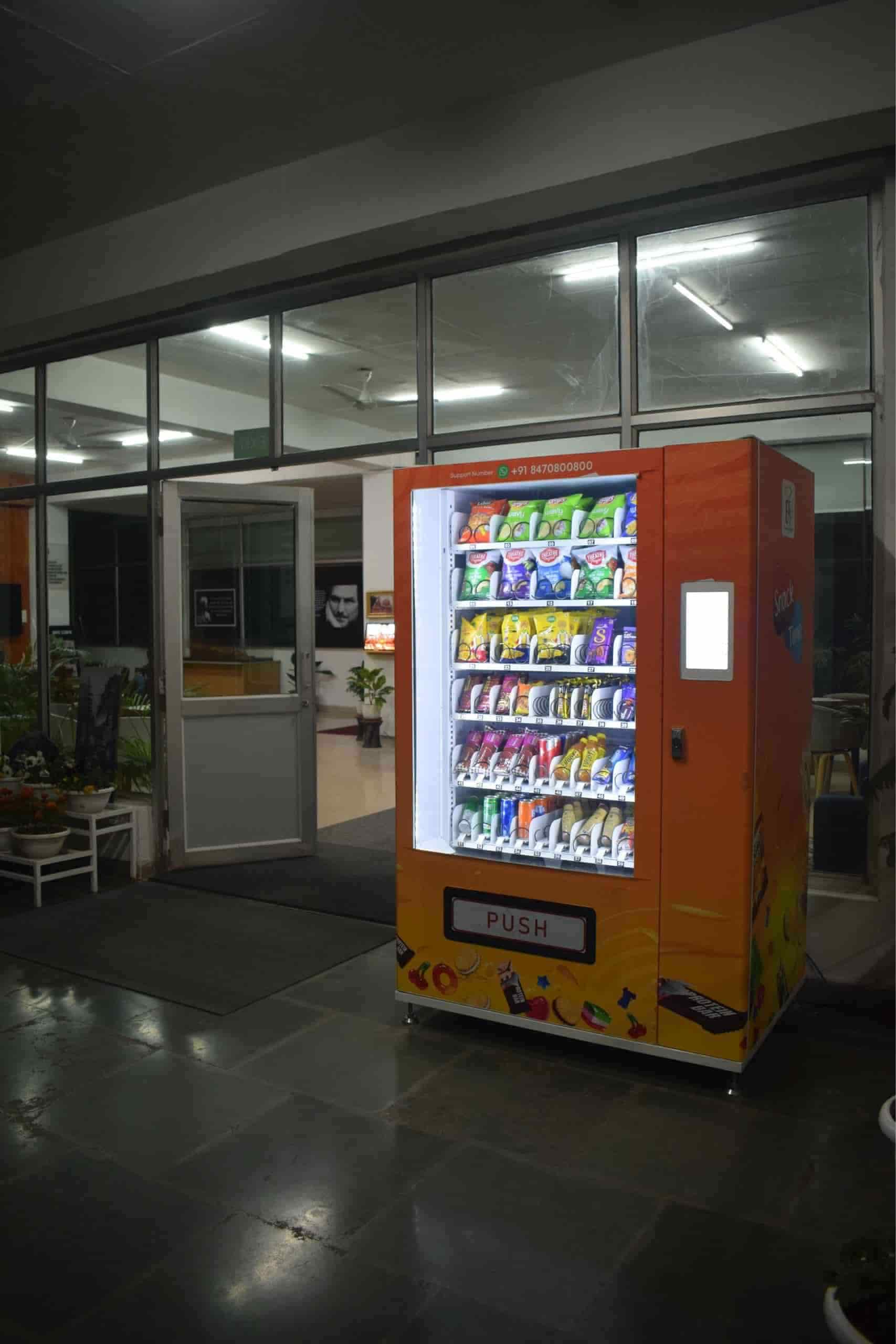
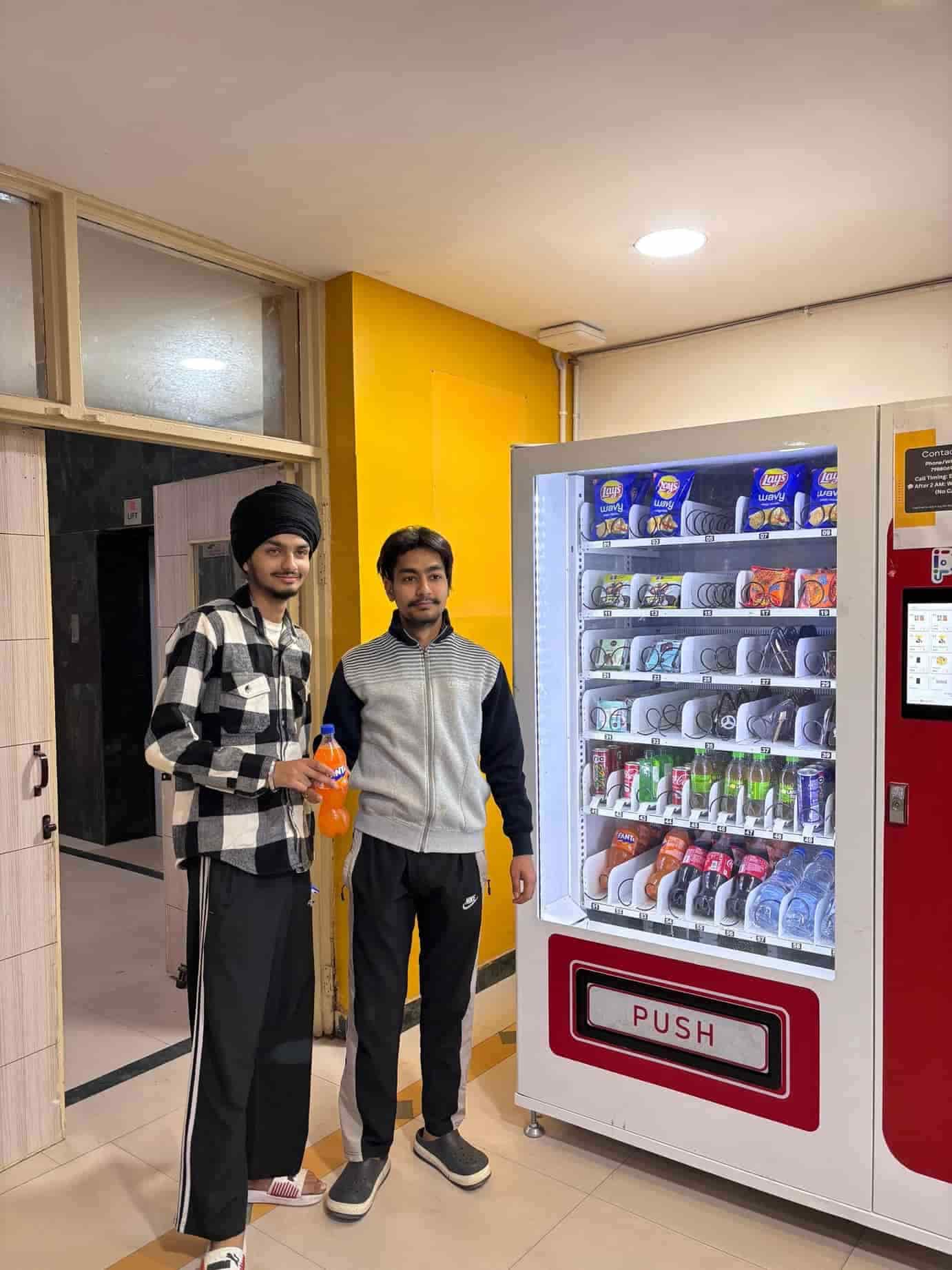
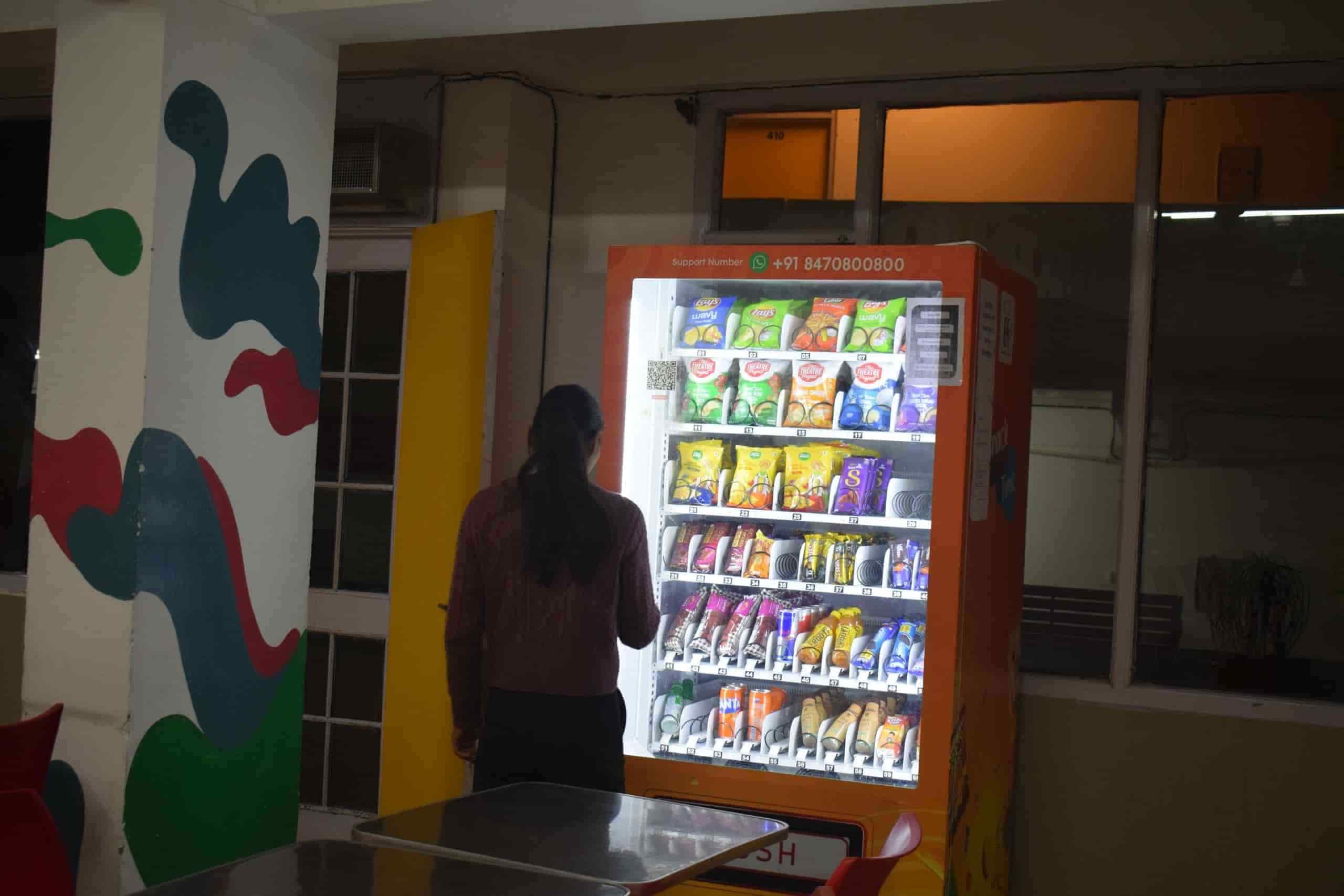
Real campus deployments showing faster service and student-first retail access.
Vending in Qatar
Qatar is a small, high-income, card-first market. Payments run through the national NAPS network and international cards, and food sales follow Ministry of Public Health rules. There is currently no VAT.
Contactless card and phone payments are the norm in Doha.
Qatari projects are budgeted in QAR by machine class, payment integration and deployment scope.
Offices and towers
West Bay and Lusail business districts.
Hospitals
Staff and visitors.
Metro stations
Doha Metro commuters.
Universities and Education City
Students and staff.
This is a planning guide, not legal or tax advice. Rules and rates change, so confirm current requirements with the authority named before you launch. Which payment methods a machine accepts depends on the payment terminal and gateway chosen for your sites.
FAQ
Questions? Ask us here

Wendor assistant
Online · Replies within 12 hours
We use cookies and similar technologies for analytics, including session recordings, to understand how this site is used and to improve it. Choose whether to allow them. You can change your choice at any time. Privacy Policy