
Traditional hospital retail
- Limited opening hours leave night shifts and visitors without options.
- Staffed counters add cost and create queues in sensitive areas.
- Little visibility on stock makes refills reactive instead of planned.

Smart vending solutions built for real-world operations.
Our clients










Healthcare challenge
In care environments, convenience must be fast, controlled and dependable. Smart vending gives access without adding service chaos.
Traditional hospital retail
Wendor healthcare layer
Operational outcomes
Healthcare teams judge vending as an operations decision, not just a convenience add-on. Wendor keeps it disciplined, visible and reliable.
Water, snacks, drinks and approved essentials in a disciplined format for patient-facing areas.
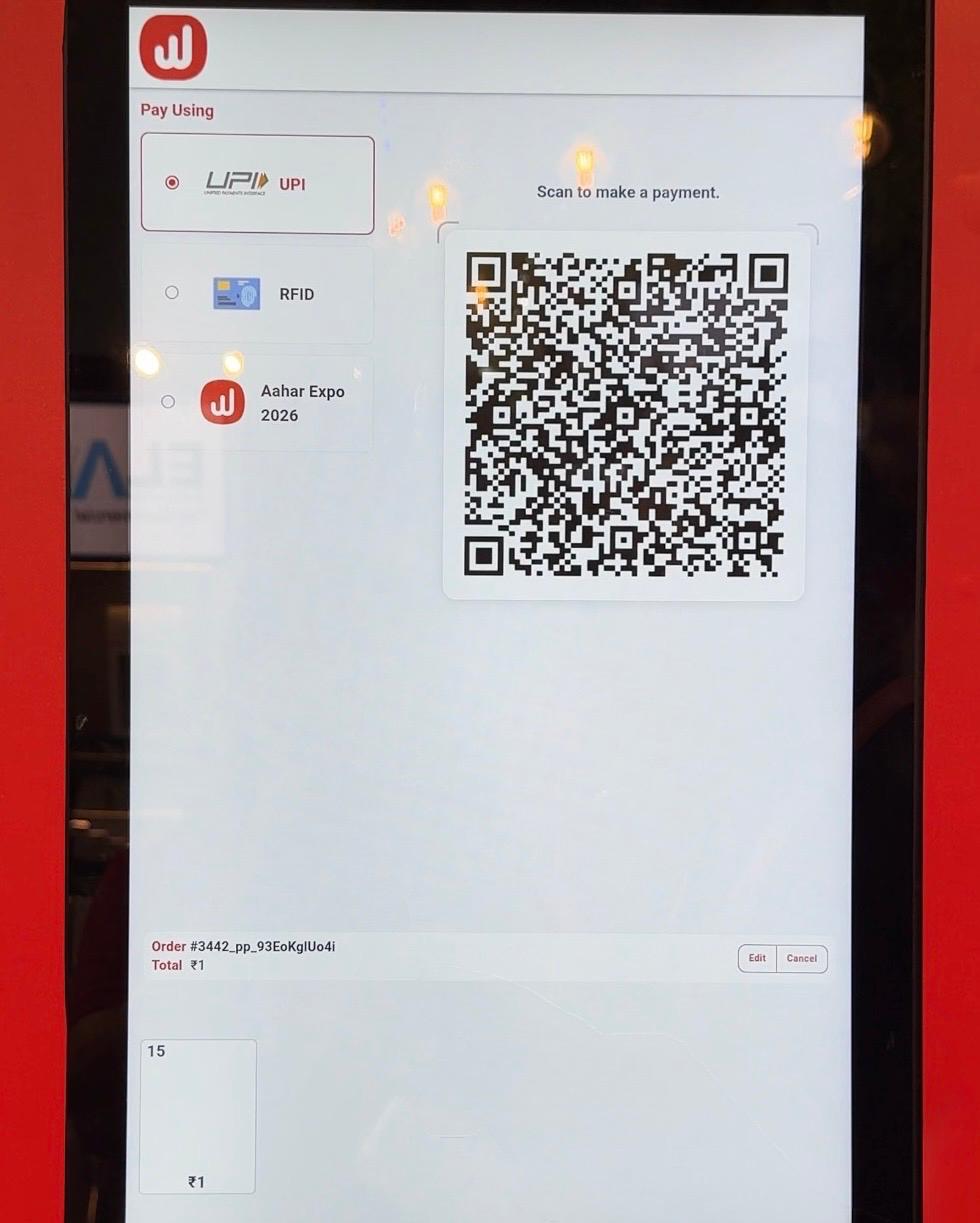
Quick checkout matters when people are waiting, changing shifts or dealing with an emergency.
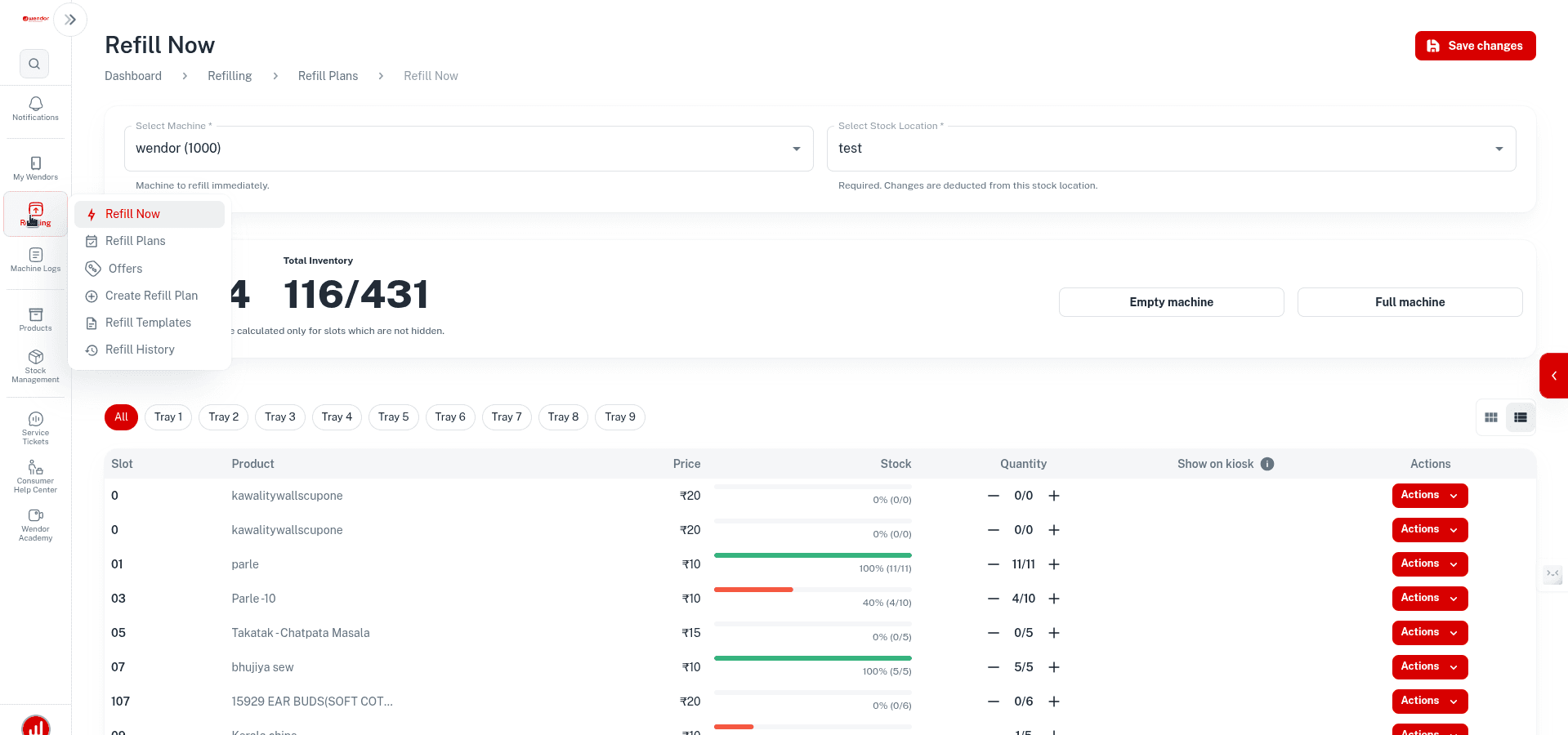
Live data shows stock gaps and service needs before they become complaints in busy corridors.
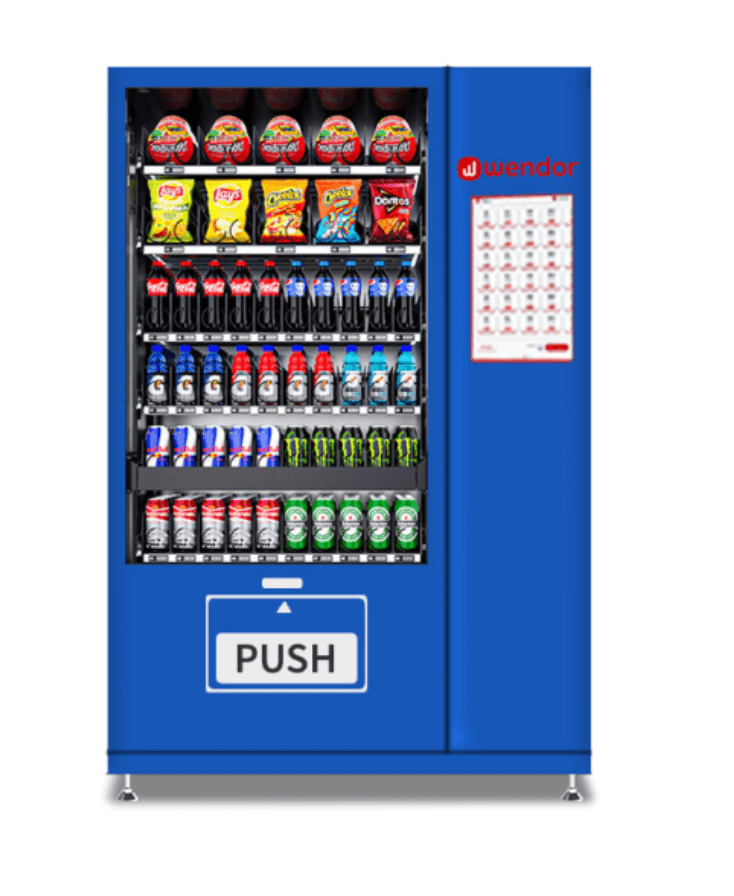
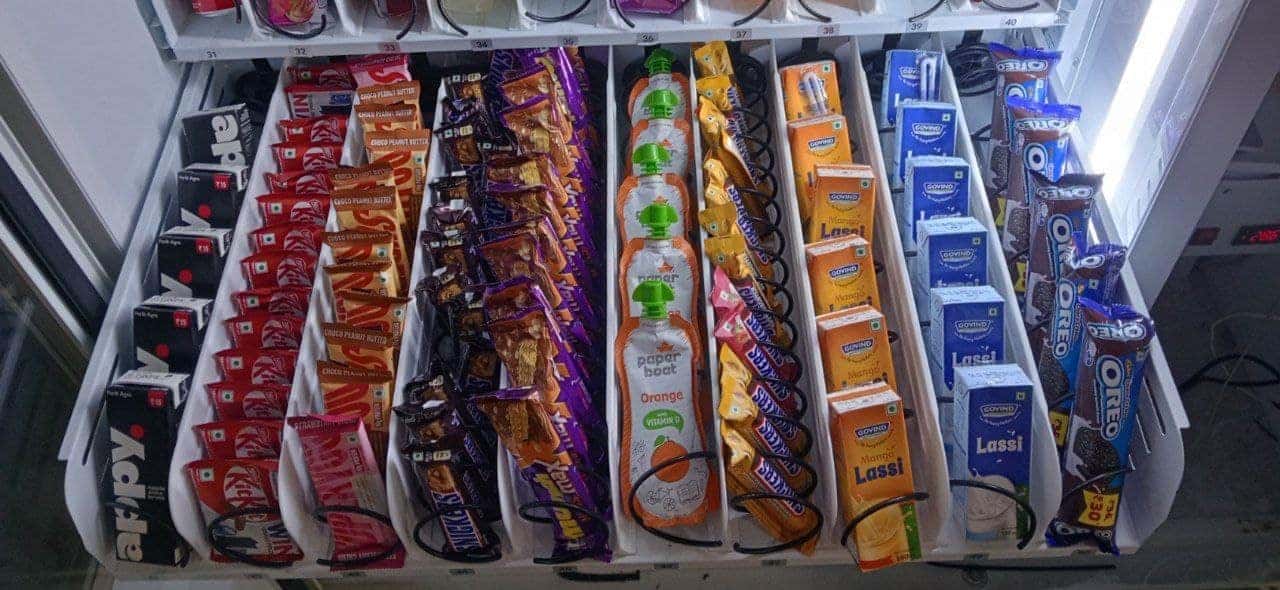
Machines for healthcare: Orion 10 – All-purpose touch vending machine with 350+ capacity Phoenix – High-speed beverage vending machine
Smart capabilities
.DXysdhIU.jpeg)
Healthcare deployments
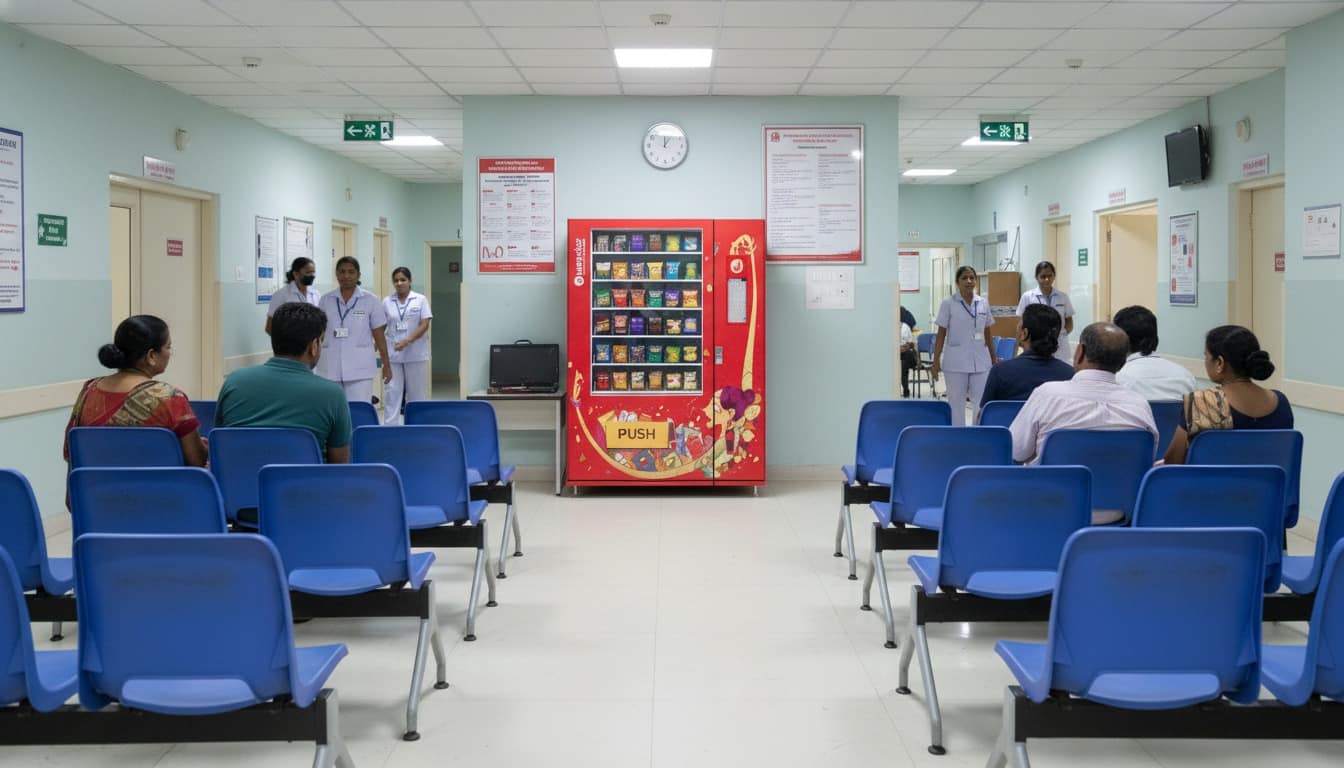
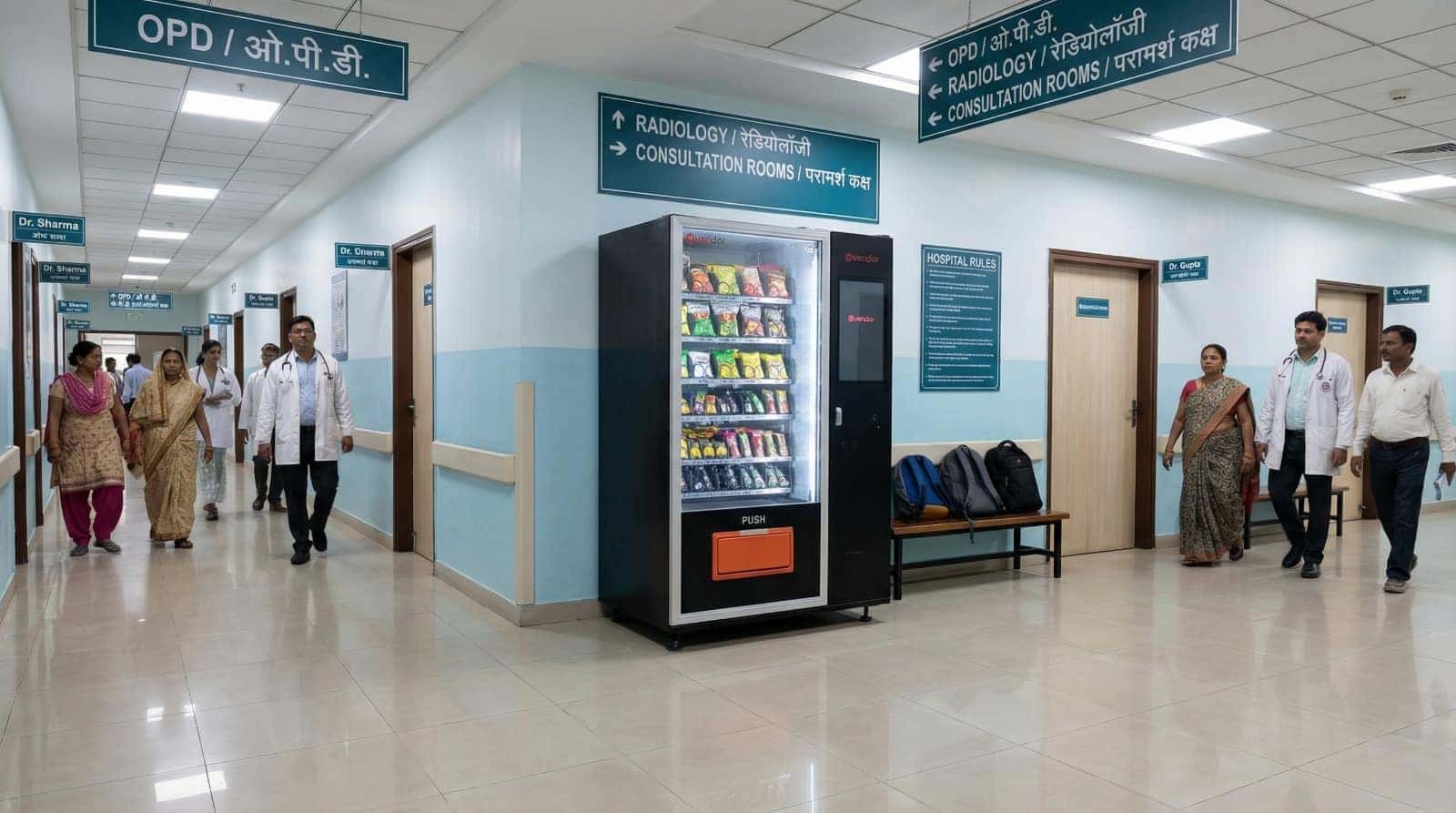
Machines in hospitals and clinics, placed for patient-friendly, reliable access.
.D7LwzD8p.jpeg)
.DG9vnsAZ.jpeg)
Vending in Bahrain
Bahrain is compact and highly cashless: BenefitPay is used by most residents, alongside contactless cards. Commercial registration runs through the Sijilat portal, and VAT is 10%.
Most small purchases are cashless, through BenefitPay or contactless cards.
Bahraini projects are budgeted in BHD by machine type, payment capabilities and deployment scope.
Offices and towers
Manama business districts.
Hospitals
Staff and visitors.
Malls
High footfall.
Universities
Students and staff.
This is a planning guide, not legal or tax advice. Rules and rates change, so confirm current requirements with the authority named before you launch. Which payment methods a machine accepts depends on the payment terminal and gateway chosen for your sites.
FAQ
Questions? Ask us here

Wendor assistant
Online · Replies within 12 hours
We use cookies and similar technologies for analytics, including session recordings, to understand how this site is used and to improve it. Choose whether to allow them. You can change your choice at any time. Privacy Policy