Transportation Hub

Smart vending solutions built for real-world operations.

Our clients

Organisations whose sites host Wendor machines

  • Amul
  • Apollo Hospitals
  • Coca-Cola
  • IIM Calcutta
  • JioHotstar
  • Johnnie Walker
  • Nestle
  • Oberoi
  • Tata Motors
  • Unilever

Transit operating pain

Transit needs speed and all-hour access.

Passengers buy when they are rushed, waiting, or transferring—not like a mall shopper. Short decision windows and queue sensitivity need simple self-service near circulation points.

Fragmented or slow retail

  • Rushed passengers abandon slow purchase journeys.
  • Early and late hours still need coverage when concessions are closed.
  • Basics are fragmented across a large terminal or station footprint.

Wendor transit layer

  • Fast category read and cashless flow at the point of need.
  • Travel-relevant assortment in visible, credible placements.
  • Stocking and service visibility for rush and off-peak periods.
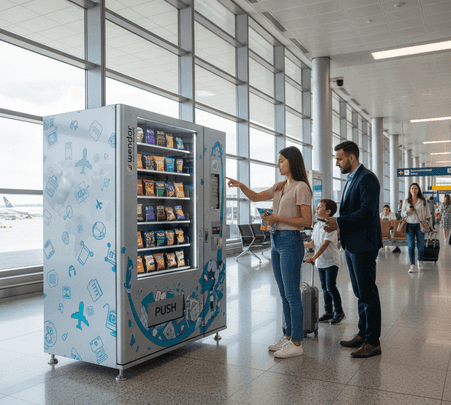
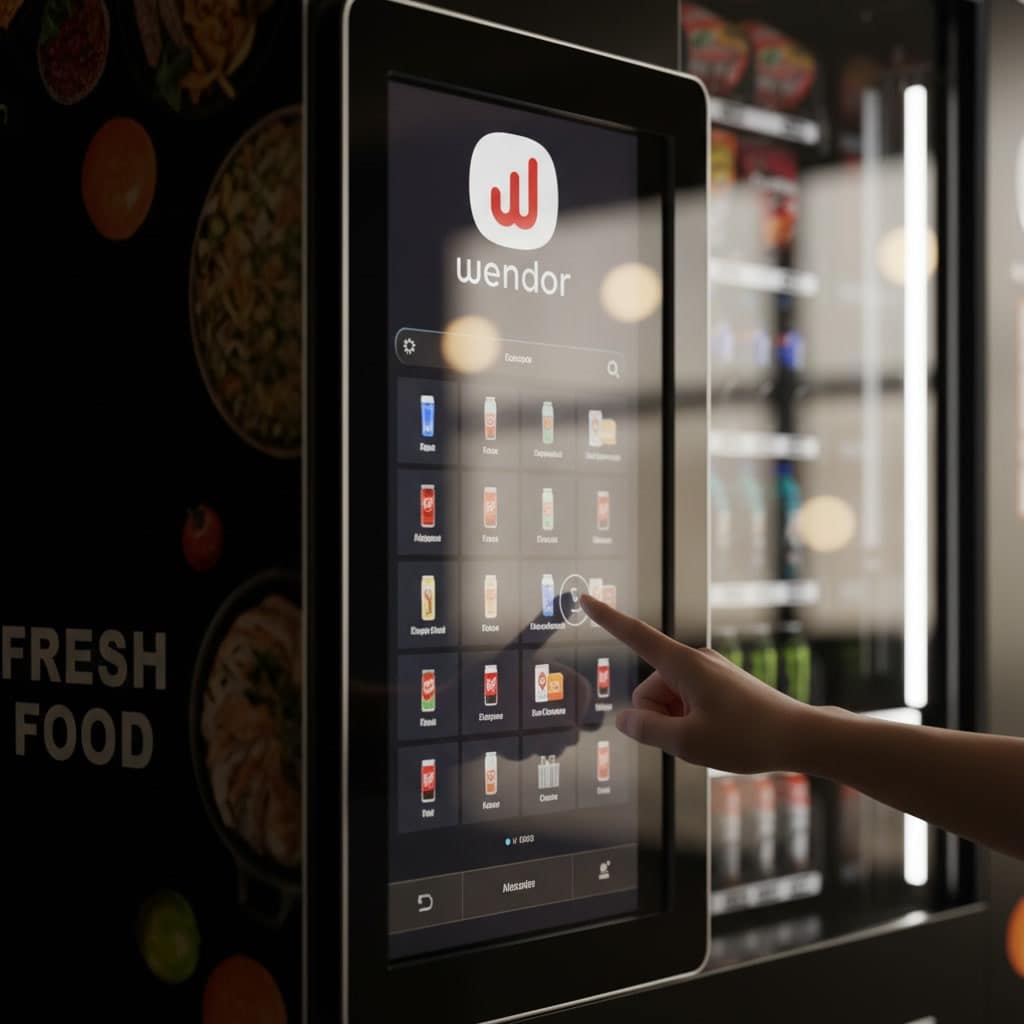
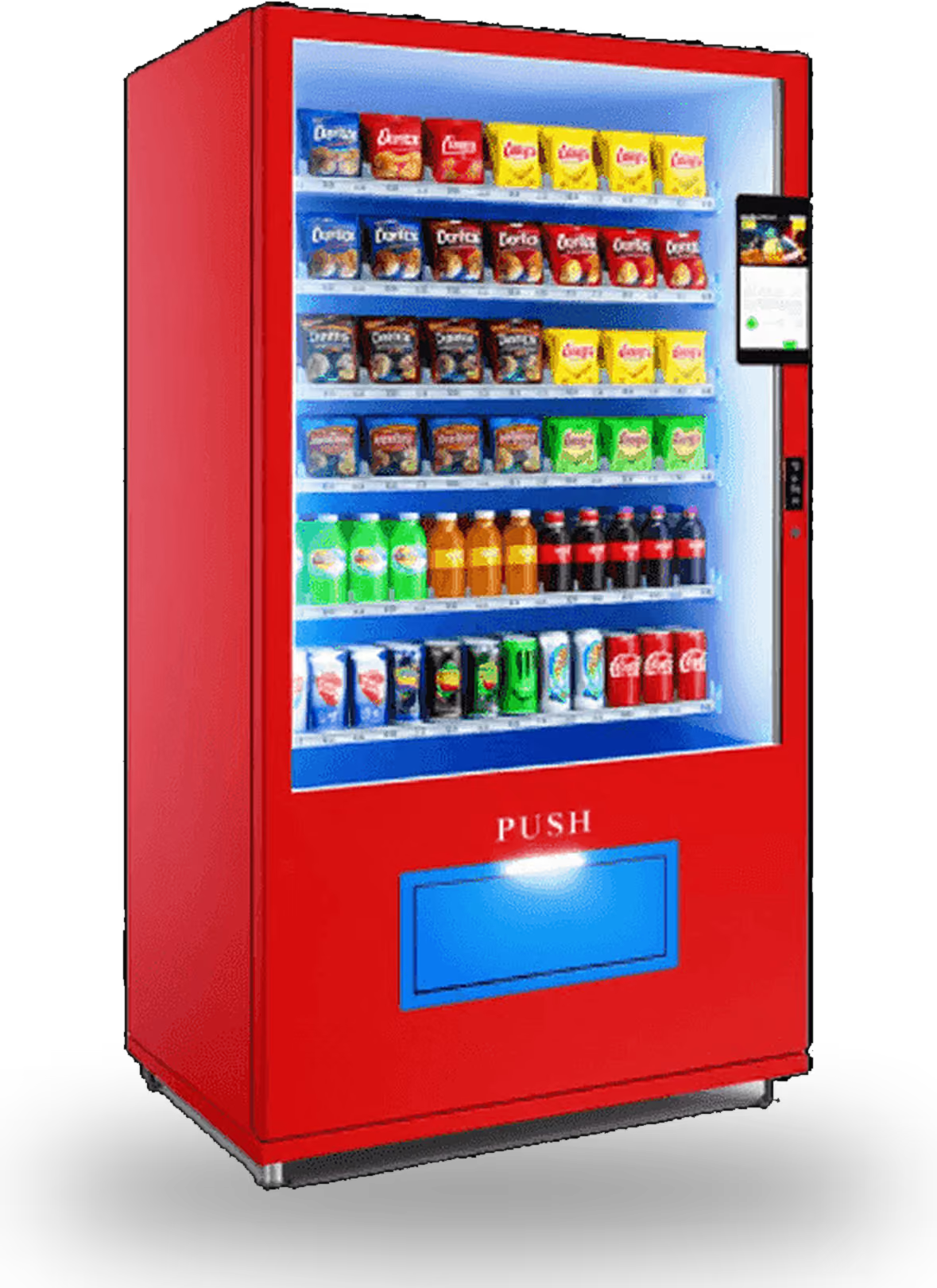
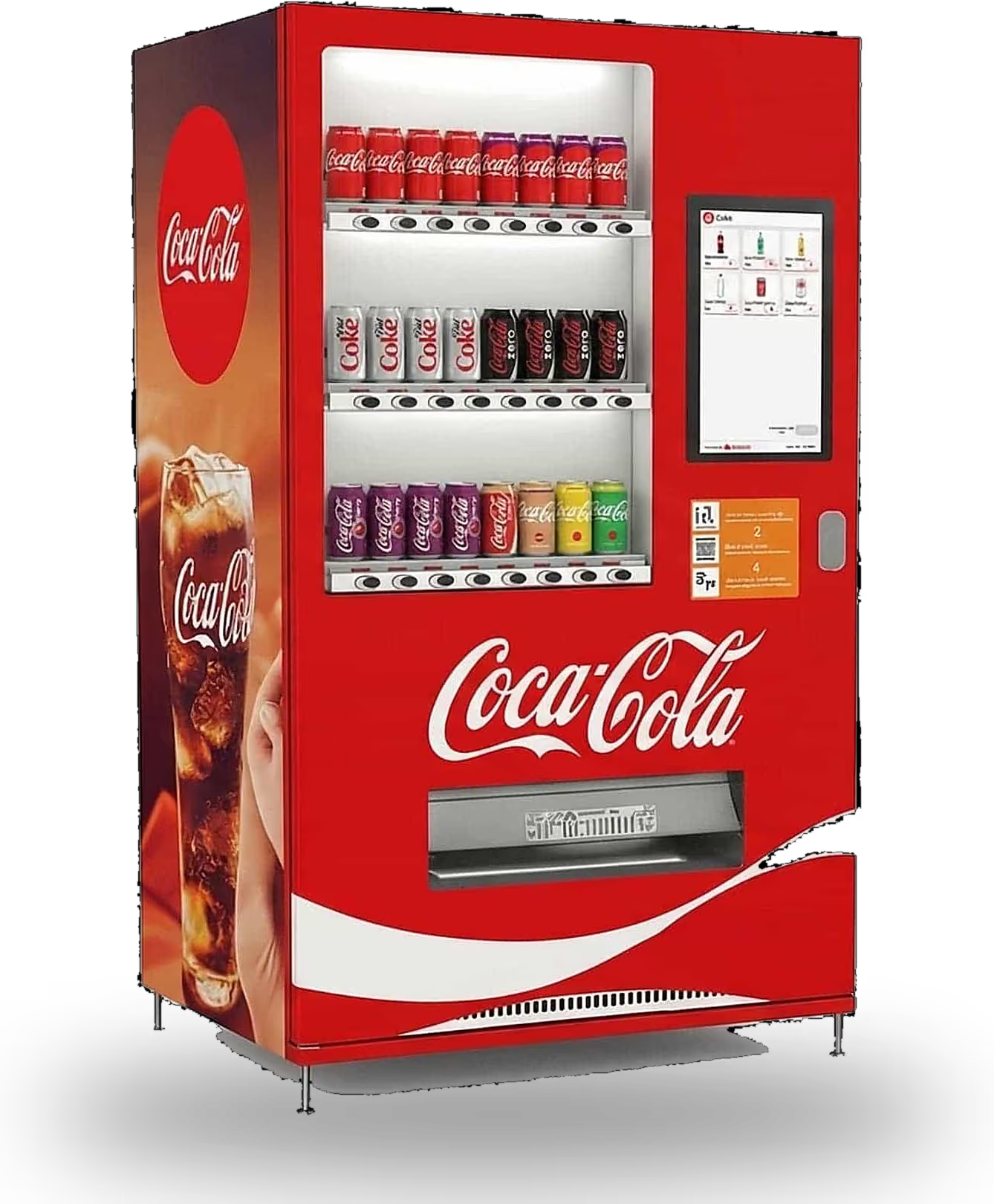
Transportation hub vending deployment visual for airports and station environments

Why Wendor fits transportation hubs

Built for fast transit purchases.

Quick discovery, cashless purchase, and merchandising tuned for motion-heavy environments.

  1. Fast product discovery

    Transit customers identify the machine’s purpose quickly, spot the right category, and complete the transaction without friction.

  2. Cashless-only readiness

    Digital-first checkout fits airports, metro systems, and stations where speed matters.

    • QR and wallet behaviour passengers already use.
    • Less queue sensitivity at the machine.
  3. Operator visibility

    High-footfall sites need control over stocking and service so machines stay sale-ready in rush and off-peak hours.
Smart capabilities

Features for transit environments.

  1. Fast discovery

    Fast discovery

    See categories quickly when passengers are rushed.

  2. Cashless throughput

    Cashless throughput

    Digital-first checkout for tap, wallet, and QR flows.

  3. Travel-relevant mix

    Travel-relevant mix

    Hydration, snacks, accessories, and compact essentials.

  4. Built for repeat use

    Built for repeat use

    Presentable machines for high-footfall public zones.

Deployments

Transit vending in action.

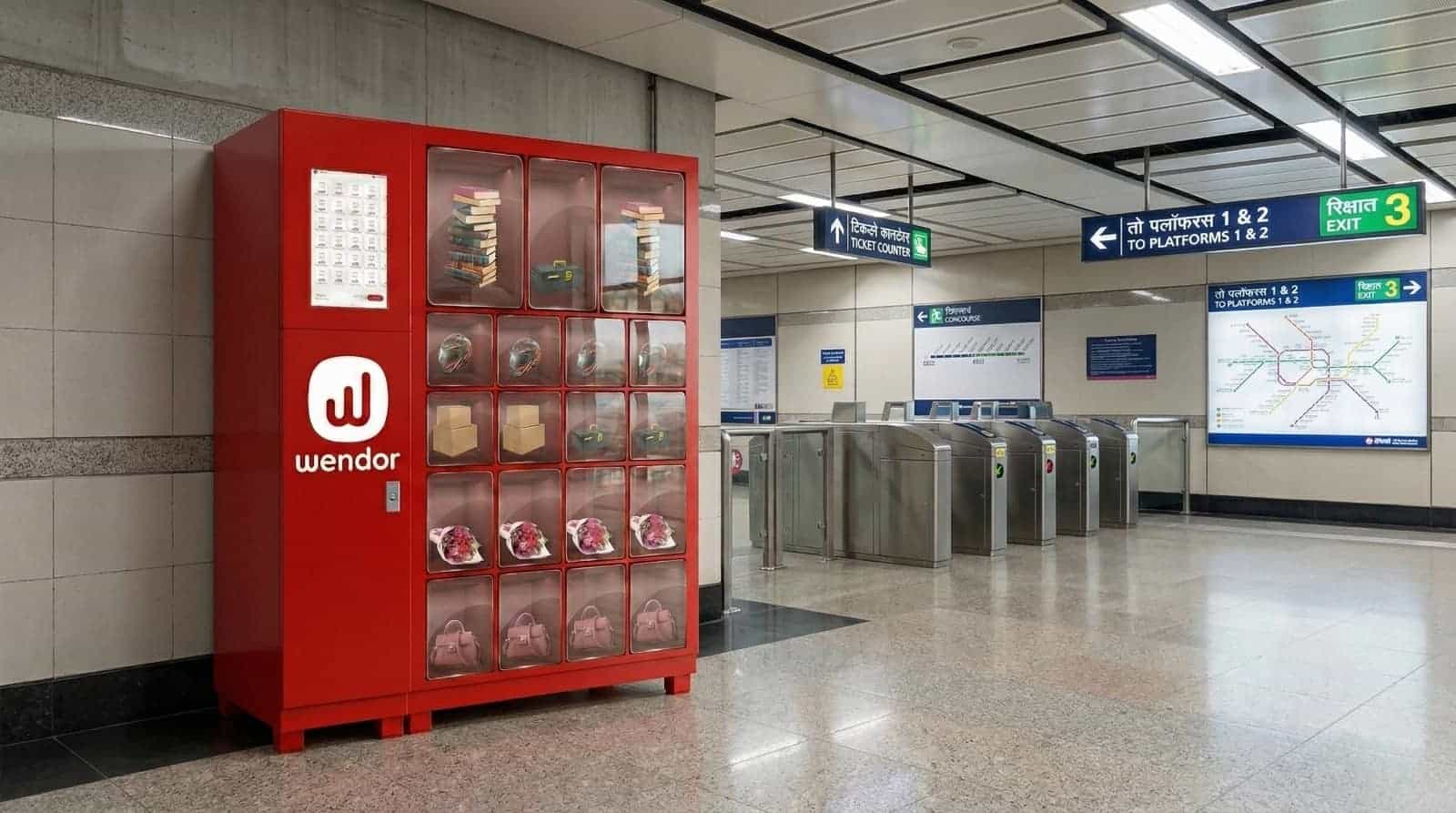
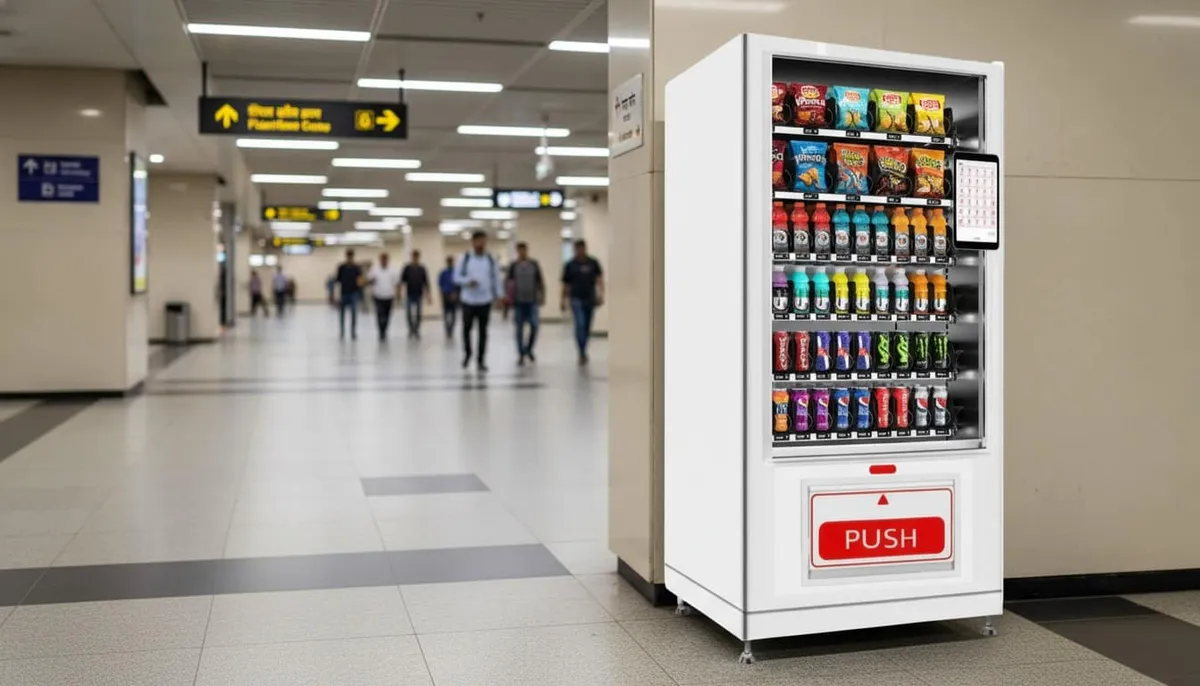
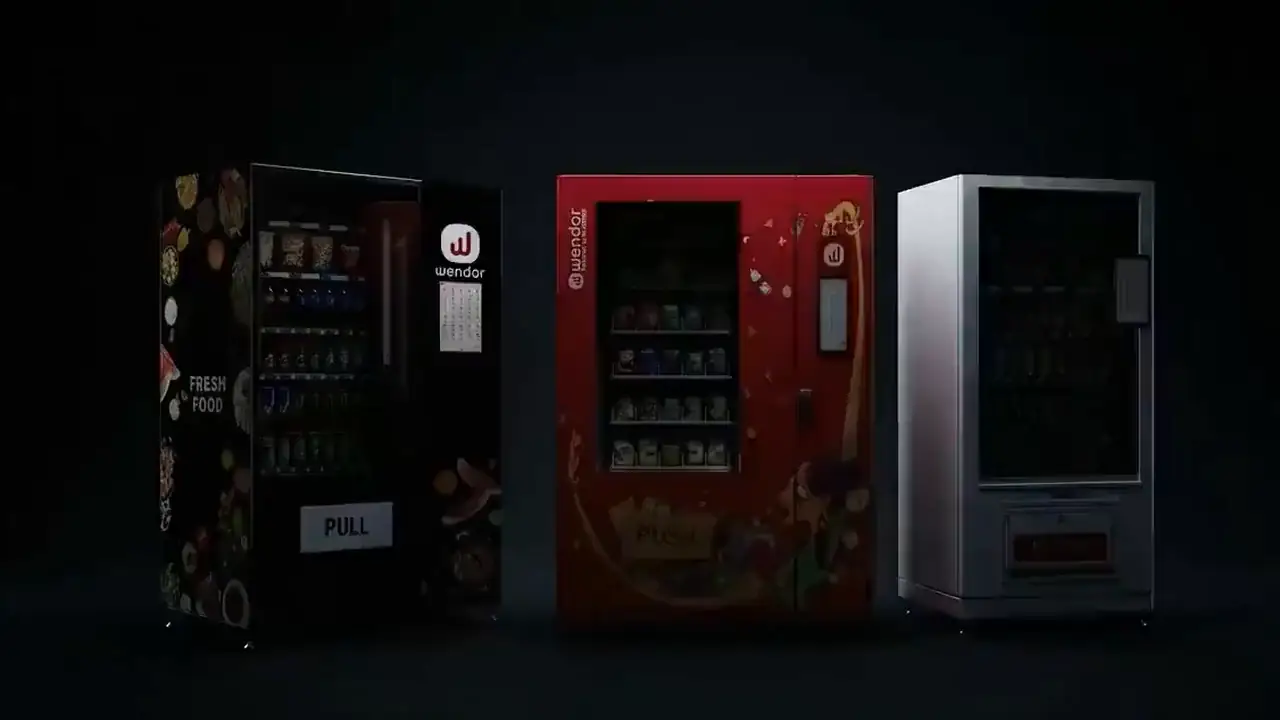
Concourse, waiting, and circulation placements for urgent and repeat-use demand.

Transit vending deployment 1
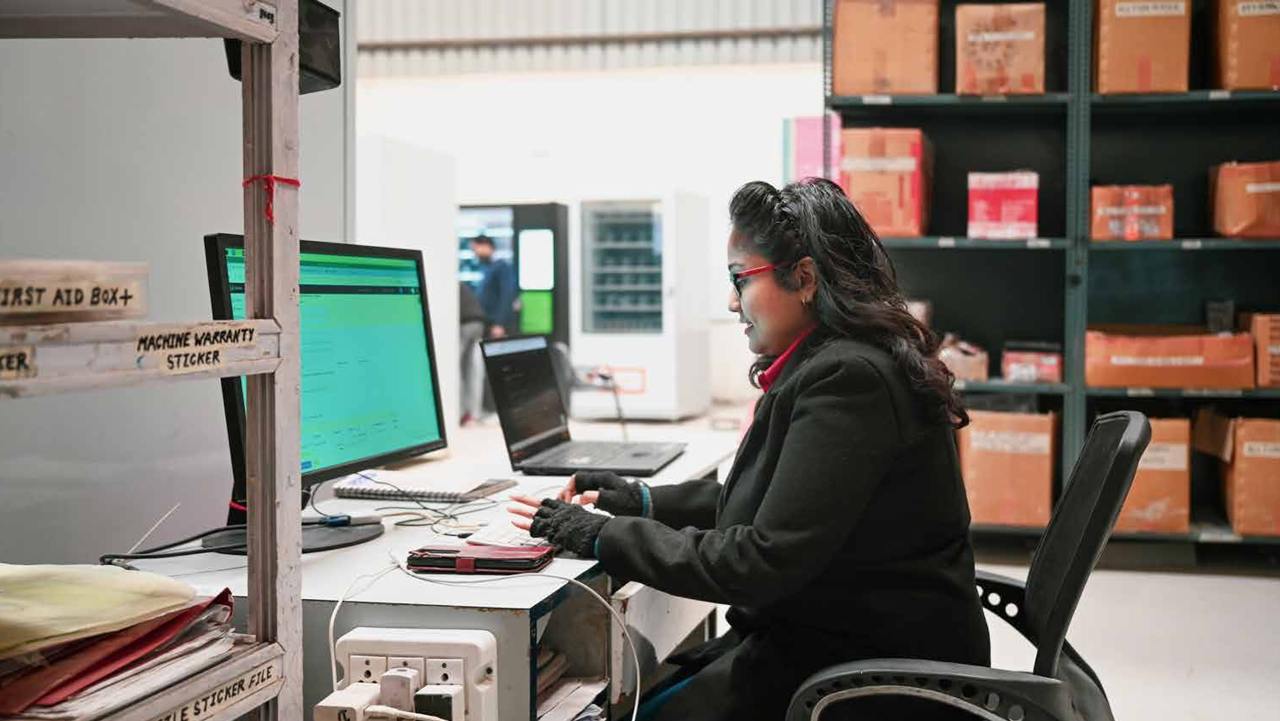
Transit vending deployment 2
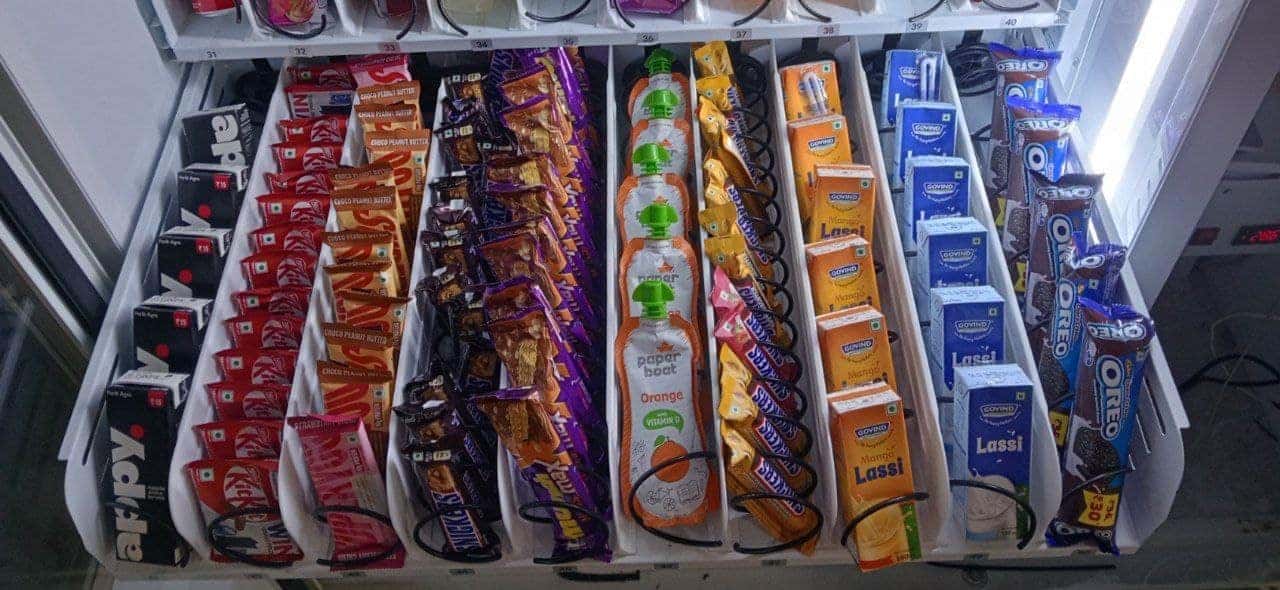
Transit vending deployment 3
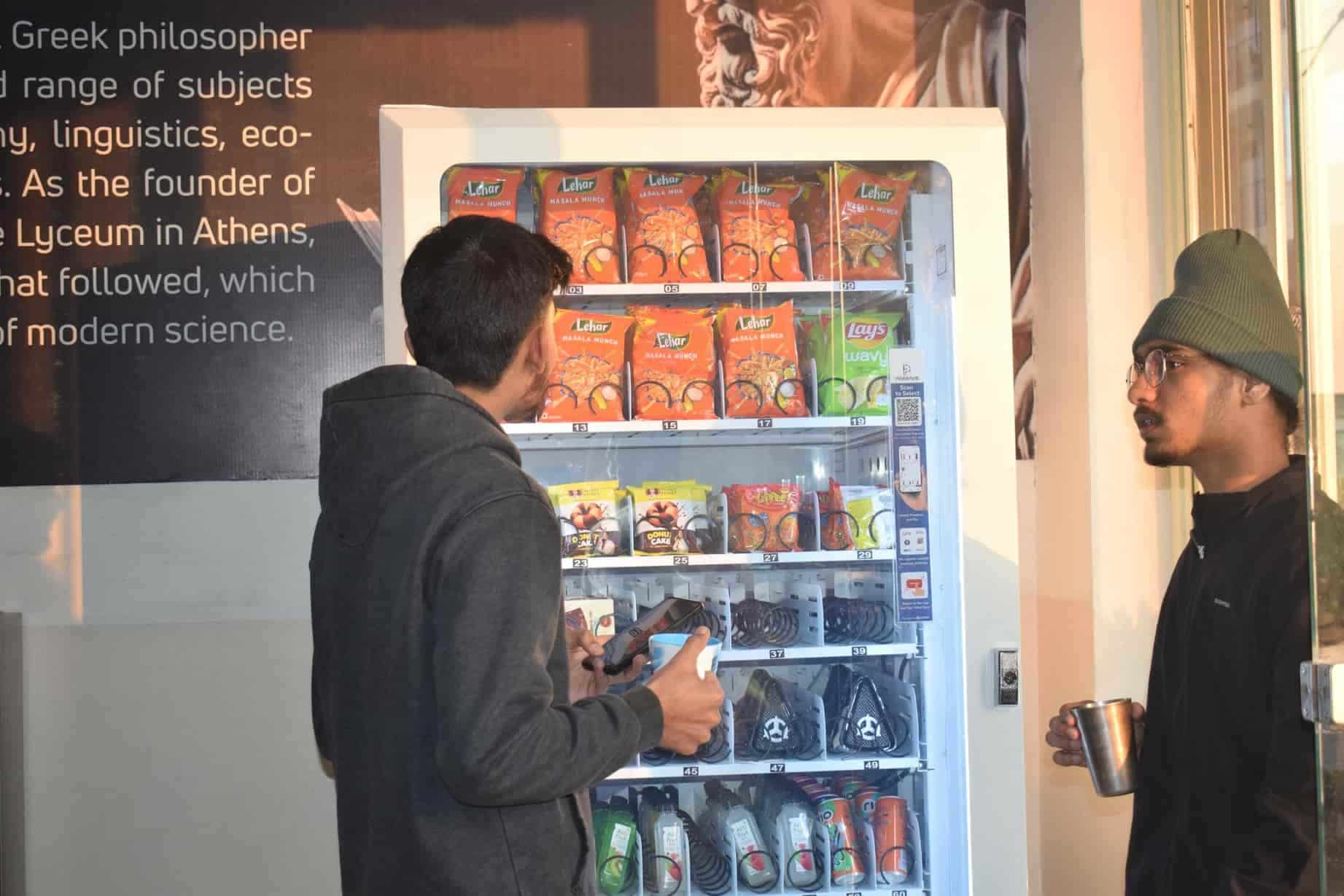
Transit vending deployment 4

Airports, rail, metro, and bus terminals—grab-and-go demand with a cleaner self-service layer for refreshments and essentials.

FAQ

Vending machines for stations and airports: common questions

Common questions from airport, rail, metro, and terminal conversations.

What can a transit vending machine sell?
The strongest mix usually includes water, ready-to-drink beverages, packaged snacks, and selected travel-friendly essentials such as tissues, chargers, adapters, or other compact convenience items. The right category plan depends on whether the environment is commuter-heavy, long-dwell, premium, or more utility-led.
Why are vending machines useful in airports and stations?
They help capture small, urgent purchases in places where passengers are moving quickly, waiting between legs of a journey, or traveling outside the best hours for full staffed retail coverage. The machine gives operators a cleaner way to add convenience without staffing every node.
How do travel-essential vending machines work?
They focus on products passengers commonly need in motion-heavy environments: hydration, quick refreshment, accessories, and other compact necessities. The best versions are easy to understand at a glance, easy to transact with, and placed close to real circulation paths.
What machine features matter most in high-footfall environments?
Fast product discovery, clear interface design, reliable cashless payment support, presentable machine aesthetics, and practical oversight for stocking and service all matter. A transit machine is judged quickly, so clarity and repeat-use readiness are often more important than novelty.
Can transit vending support cashless-only purchasing?
Yes. In many transport environments, cashless-first purchasing is the cleanest fit because it reduces transaction friction and matches how many passengers already pay for small convenience purchases on the move.
How are transportation-hub vending machines maintained?
High-footfall machines need a disciplined service rhythm so they stay stocked, operational, and presentable under repeated daily use. The goal is to keep the machine sale-ready during peak periods while also supporting lower-staff hours without visible service slippage.