Residential Society

Smart vending solutions built for real-world operations.

Our clients

Organisations whose sites host Wendor machines

  • Amul
  • Apollo Hospitals
  • Coca-Cola
  • IIM Calcutta
  • JioHotstar
  • Johnnie Walker
  • Nestle
  • Oberoi
  • Tata Motors
  • Unilever

Residential pain

Daily community needs are small and urgent.

Residents solve the ten-minute problem: water, a snack, tissues, a charger—easier inside the community than a convenience run.

Trips outside the community

  • Late-night needs when local shops are shut or delivery is too slow.
  • Short trips for basics feel like a chore in large complexes.
  • Property teams don’t want another unmanaged replenishment headache.

Wendor residential layer

  • Trusted common-area placement with a credible amenity feel.
  • Cashless flow that stays simple for families and guests.
  • Visibility for stock and service so the machine stays useful.
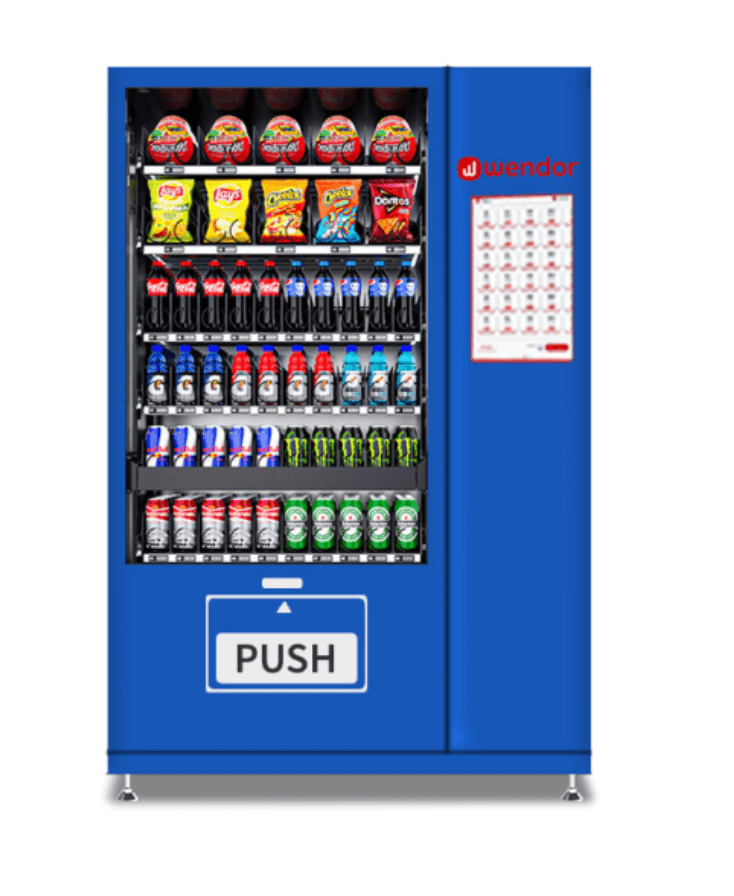
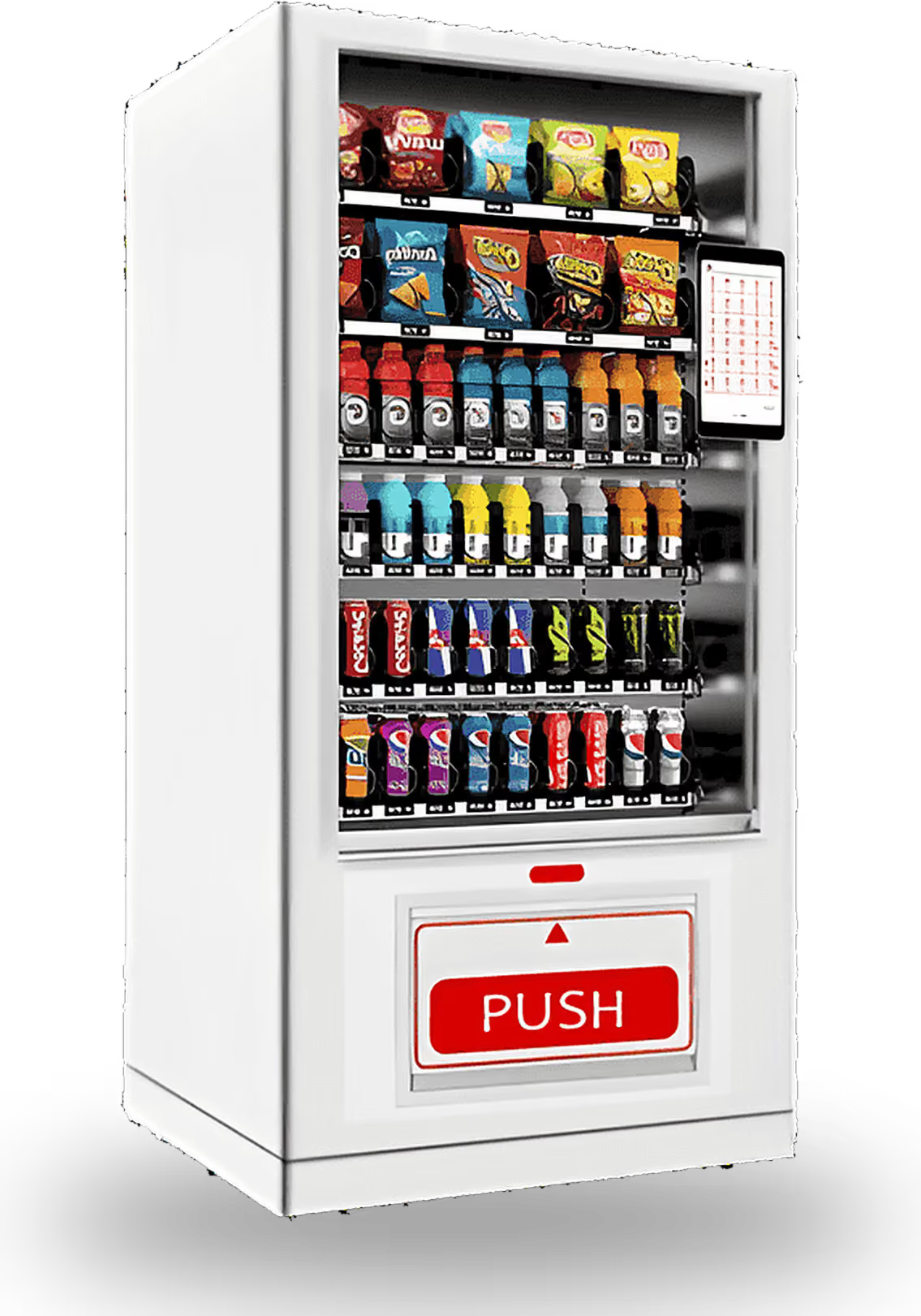
Wendor Nova Series vending machine for residential societies and apartment communities

Why Wendor fits residential communities

A reliable community amenity.

Daily-use practicality, simple cashless buying, and predictable serviceability for RWAs and operators.

  1. Product flexibility for daily life

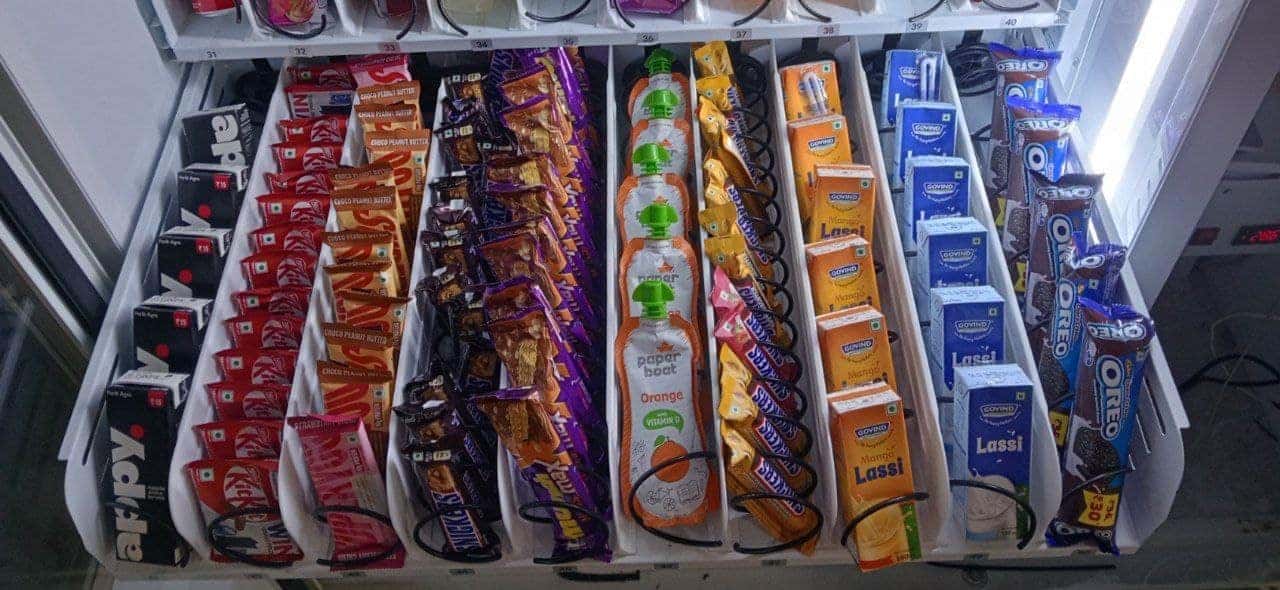
    Beverages, snacks, hydration, hygiene, and quick-purchase basics shaped around what residents actually need in small urgent moments.

  2. Resident-friendly buying flow

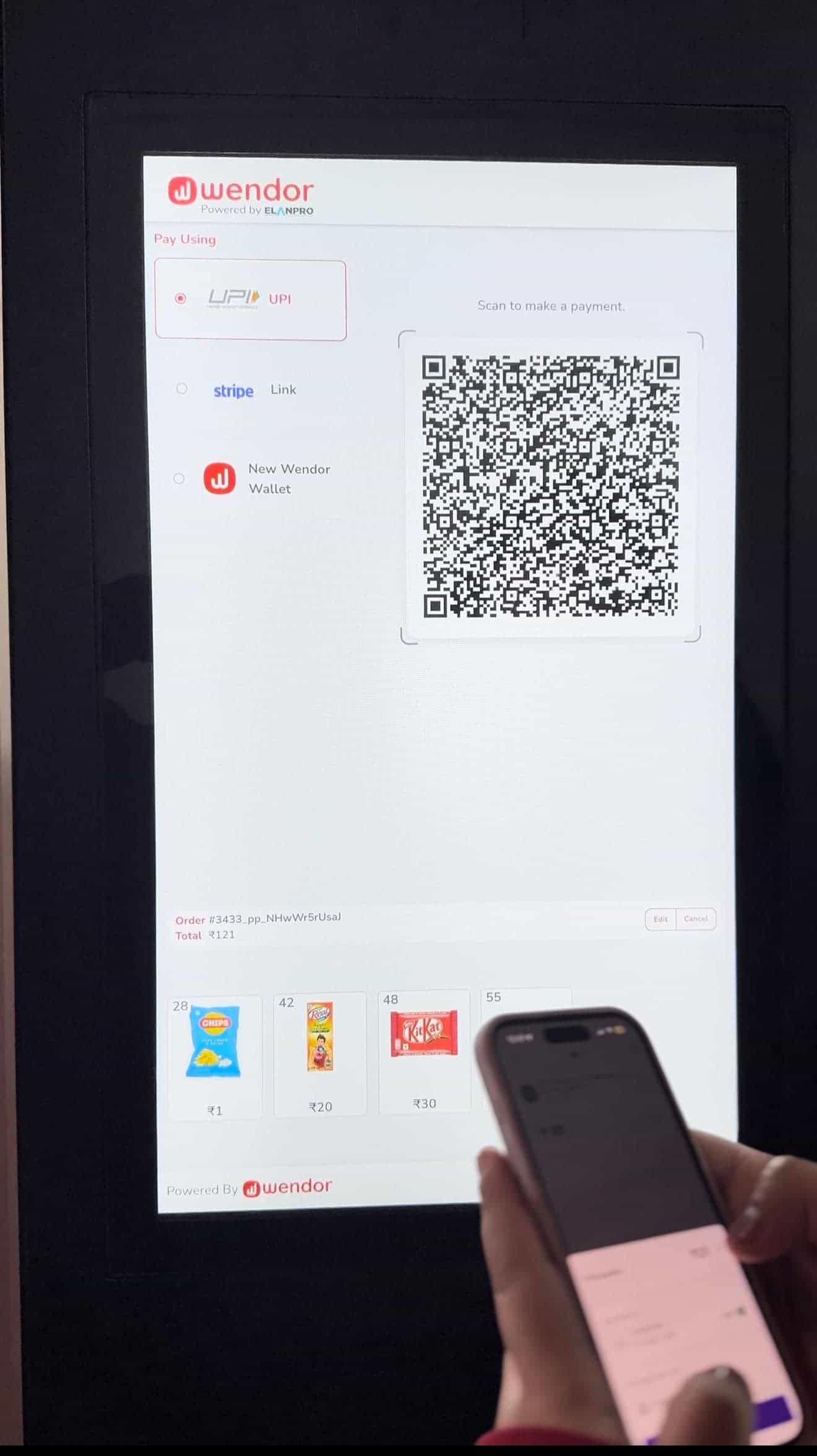
    Cashless checkout keeps everyday use easy for residents, family, and guests in common areas.

    • Less friction than ad hoc arrangements.
    • UPI-first behaviour matches Indian households.
  3. Visibility for service and stock

    Property operators benefit when replenishment, usage, and upkeep are visible—not a blind spot.
Smart capabilities

Features for residential communities.

  1. Cashless payments

    Cashless payments

    Simple UPI-led buying for residents and guests.

  2. Daily-life assortment

    Daily-life assortment

    Beverages, snacks, hygiene, and quick household basics.

  3. Service visibility

    Service visibility

    Patterns for replenishment and upkeep in shared spaces.

  4. Efficient operation

    Efficient operation

    Lower overhead than running a staffed society shop.

Deployments

Community vending in action.

Lobby, clubhouse, and cluster placements that support real daily use.

Residential vending deployment 1
Residential vending deployment 2
Residential vending deployment 3
Residential vending deployment 4

Reliable in-community access for daily needs, late-night basics, and cashless buying—without staffed retail overhead.

FAQ

Vending machines for residential societies: common questions

Practical questions from RWA, property-management, and township conversations.

What can a residential society vending machine sell?
The strongest residential mix usually includes water, beverages, packaged snacks, and a carefully chosen set of daily-need basics such as tissues, sanitary products, chargers, hygiene items, or other small necessities. The exact mix should reflect the resident profile and the kind of need the community wants to support.
Where should it be installed inside the community?
The best placements are usually trusted, visible common areas such as apartment lobbies, clubhouses, tower clusters, or the shared convenience node of a larger township. The machine should feel easy to access without interrupting how the space is normally used.
Is it useful after regular store hours?
Yes. That is often the clearest residential use case. When local stores are shut, the need is too small for a full trip, or delivery feels too slow, the machine gives residents a reliable in-community option for basic convenience purchases.
How is a residential vending machine maintained?
Communities usually want a managed model where replenishment, machine status, and service needs are visible enough that the amenity stays useful without constant manual follow-up from the property team. The machine should feel dependable, not high-maintenance.
What payment methods should it support?
A cashless-first setup is usually the cleanest fit for residential communities because it keeps the purchase simple and reduces friction around cash handling in shared common areas. In India, UPI is especially important for that everyday-use pattern.
Can this work in apartment complexes as well as larger townships?
Yes, but the placement and assortment should change with the scale of the community. A single-tower apartment may need one focused machine in a central common area, while a larger township may benefit from more than one point of convenience tied to different resident movement patterns.