

Contents
Summarize this article with
The prompt is auto-filled and copied so you can paste instantly if needed.
Vending machines used to accept only coins and notes. Today a machine in India can take UPI, cards, phone wallets, campus RFID cards and cash, often all on the same front panel. This guide explains how each method works, what it costs the operator in hardware, and which mix suits your site.
Thanks to technology, using vending machines is now very simple for customers. For operators, the payment method decides how many sales you lose to "no change" and how much cash you have to collect and count.
UPI and QR Code Payments
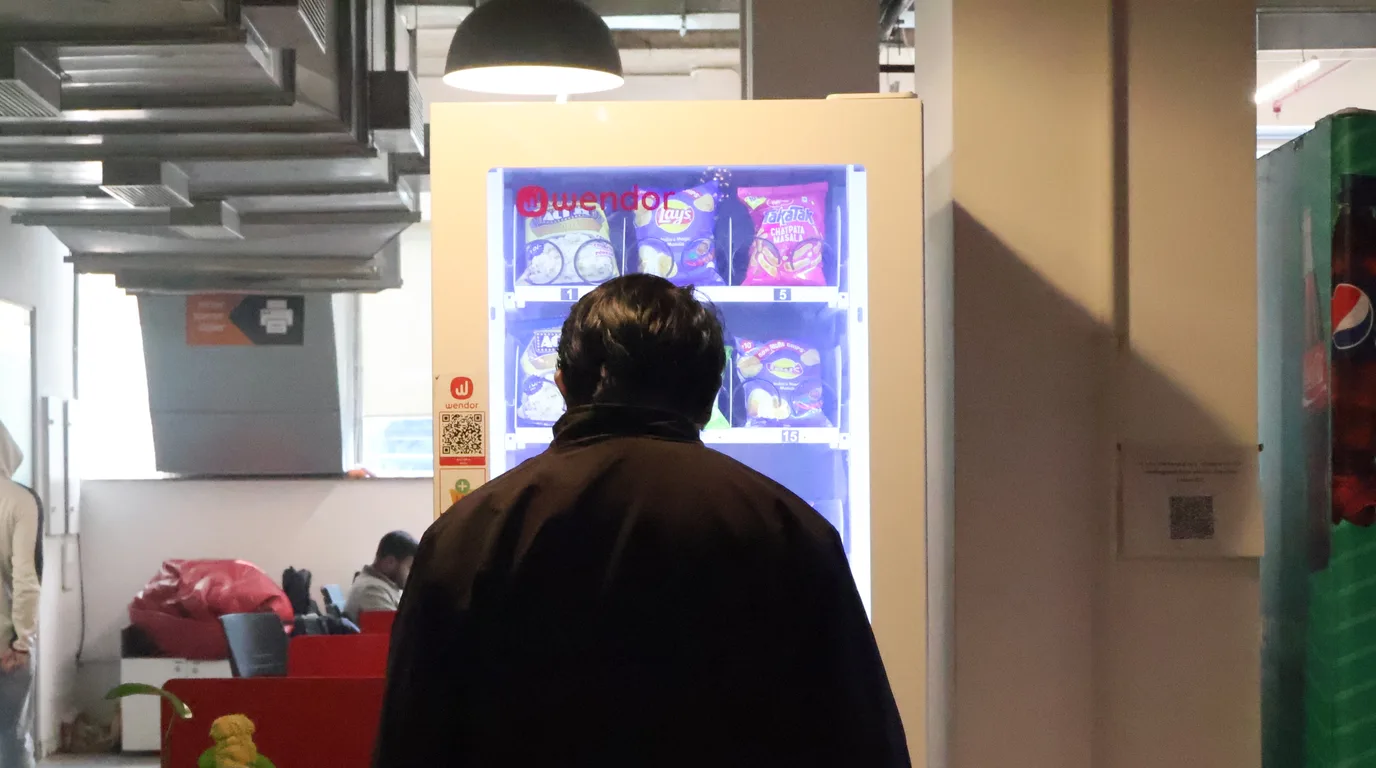
UPI is the default way to pay in India. NPCI, which runs UPI, reported 24,068.38 million UPI transactions worth ₹29,37,396.67 crore in September 2026 alone (NPCI UPI product statistics). Any machine placed in India without UPI turns away a large share of buyers.
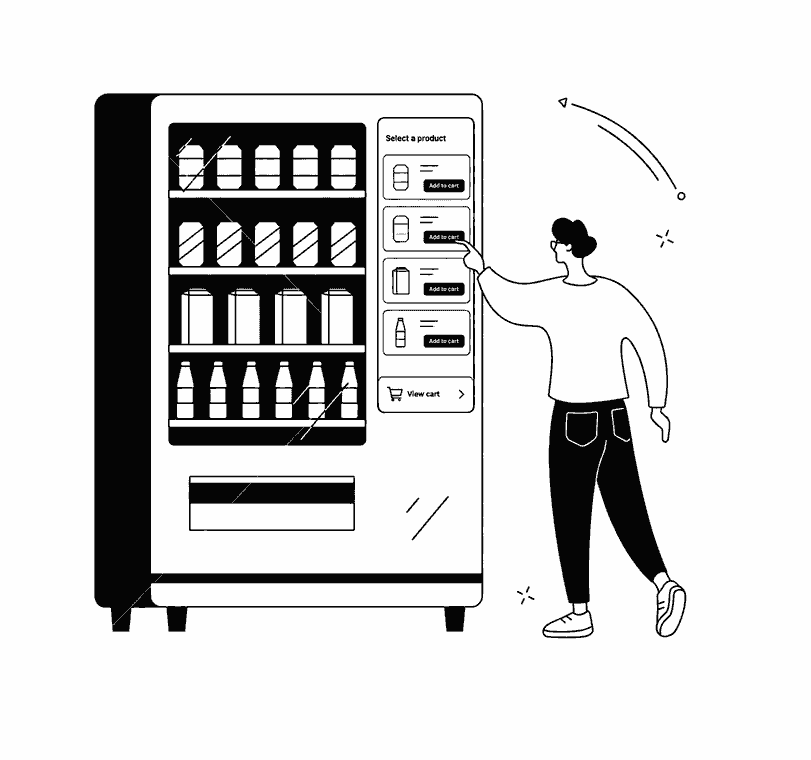
On a vending machine, UPI works through a QR code. The customer selects a product, scans the code with any UPI app, approves the payment, and the machine vends once it receives confirmation. Two set-ups are common:
- Dynamic QR: the machine screen shows a fresh code with the exact amount for each order, so payment and vend are matched automatically.
- Static QR: a printed code on the cabinet. It is cheap, but the customer types the amount, so reconciliation and failed-vend refunds are harder.
QR codes also work as a promotion tool. Operators can issue QR coupons for a free or discounted item, and employers can use the same approach to reward staff.
Card and NFC (Tap-to-Pay) Payments
Card readers accept debit and credit cards by tap, chip or swipe. Near Field Communication (NFC) also lets customers pay with a phone, smartwatch, ring or wristband on the same reader, because the reader treats them like a contactless card.
Cards matter most at sites with international visitors, airports and premium offices. The trade-off is hardware cost and per-transaction fees, so compare readers before you buy — see our comparison of the best card readers for vending machines.
Digital Wallets and Closed-Loop Wallets
Phone wallets such as Paytm, PhonePe, Google Pay and Amazon Pay keep payment details inside a passcode-protected app, so customers do not carry cards or remember PINs. In India most of these payments now run over UPI QR at the machine.
Closed-loop wallets are different: they work only on one operator's machines. A customer tops up once and then taps a card, RFID tag or app to pay. This suits offices, schools and campuses, where employers or institutions can set spending limits, run subsidies and reward repeat buyers. Wendor's Swift Wallet closed-loop payments are built for these repeat-use sites.
RFID Cards on Campuses and in Offices
RFID, or radio frequency identification, pairs a tagged card or wearable with a reader. Students and employees often already carry an RFID ID card for building access, so the same card can carry a vending balance. The machine shows the available balance at the moment of purchase.
Cash and Coins
Cash still matters at sites where some buyers do not use phone payments, such as factories, bus depots and some hospitals. It also brings the most work: bill and coin jams, change shortages, collection trips and counting. If you keep a cash acceptor, pair it with at least one digital method so a jam or an empty change tube does not stop every sale.
Which Payment Methods Should Your Machine Accept?
- Offices and IT parks: UPI QR plus a closed-loop wallet or RFID if the employer subsidises snacks.
- Colleges and schools: UPI QR plus campus RFID cards for spending limits.
- Hospitals, malls and transit: UPI QR, cards and cash, because visitors vary.
- Airports and international sites: cards and NFC first, then UPI.
Accepting more methods improves conversion and reduces failed purchases, but each one adds hardware or fees. Start with UPI, then add the methods your site's buyers actually use. To compare payment options by machine, see Wendor's vending machine range.
Conclusion
Vending machines keep getting smarter, and the payment panel is where customers notice it first. In India, UPI QR is the baseline; cards, closed-loop wallets and cash fill the gaps for specific sites. If you are planning a machine or a fleet, start with our guide to the vending business in India and match the payment mix to your locations.
Plan your vending machine project in India
Compare machine capacity, cooling and payment requirements for your site. Confirm pricing, installation and support in a project proposal.
FAQ
Frequently asked questions
Quick answers about vending machine payment systems.
- Most modern machines support a mix of cash, UPI/QR, cards, and contactless payment options depending on the installed hardware.